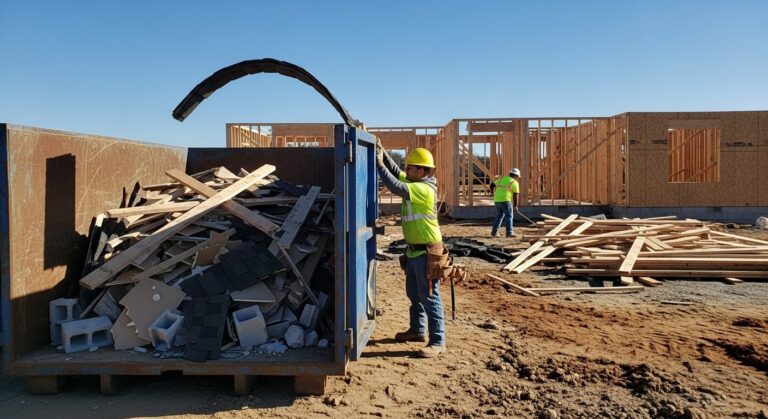
Building a new home in Batesville is an exciting milestone, but the process generates a surprising amount of waste. From scrap lumber and drywall offcuts to roofing shingles and concrete block remnants, construction debris piles up fast. Without a solid plan for removal, these materials can slow your timeline, create safety hazards on the jobsite, and inflate your budget. Efficient debris removal during new home construction in Batesville AR is not just about keeping the site clean. It is about maintaining productivity, protecting your crew, and ensuring your project stays on schedule and within budget. This article walks you through proven strategies to manage construction waste effectively, so you can focus on bringing your dream home to life.
Why Efficient Debris Removal Matters During New Home Construction
Construction projects in Batesville face unique challenges. Weather windows can be tight, subcontractor schedules overlap, and every day of delay costs money. When debris litters the site, workers trip over materials, equipment gets blocked, and critical tasks like foundation work or framing get bogged down. Efficient debris removal keeps the workflow smooth and reduces the risk of accidents that could lead to insurance claims or lost time.
Beyond safety and speed, proper waste management impacts your bottom line. Landfill fees in Independence County can add up quickly if you are hauling loads in a pickup truck every afternoon. Renting a dumpster sized for your project stage consolidates trips, lowers per-ton disposal costs, and minimizes labor spent on moving debris around. An efficient system also supports sustainable practices. Separating recyclable metals, clean wood, and cardboard can reduce your environmental footprint and may even generate a small rebate from local recyclers.
Planning Your Debris Removal Strategy Before Breaking Ground
The most efficient debris removal plans start before the first shovel hits the dirt. During the pre-construction phase, sit down with your general contractor or site supervisor to map out waste generation by phase. Excavation produces soil and rock. Foundation work creates concrete and rebar scraps. Framing yields lumber ends, sheathing cutoffs, and fasteners. Each stage has different waste types and volumes, so your removal approach should adapt.
One of the first decisions is choosing between a roll-off dumpster, a bag-based system, or direct hauling. For most new home construction in Batesville, a roll-off dumpster is the most efficient option. It sits on-site, allows continuous disposal, and can be swapped out when full. Bag systems work for smaller projects or additions but lack the capacity for a full build. Direct hauling with a trailer is labor-intensive and often costs more in fuel and landfill fees over the life of the project.
Schedule your dumpster delivery to coincide with the start of a high-waste phase. For example, have a 20-yard or 30-yard container arrive just before framing begins. This prevents the need for early removal of light debris and ensures you have capacity when the heaviest waste hits. Coordinate with your rental provider in Batesville to understand size options, weight limits, and prohibited items. In our guide on Batesville garbage containers for construction, we explain how to match container size to project scope and avoid overage fees.
Choosing the Right Dumpster Size for Each Phase
Selecting the correct dumpster size is one of the most impactful decisions for efficient debris removal. Too small a container means frequent swaps and extra rental charges. Too large a container wastes space and may require a permit if it blocks a roadway. For a typical single-family home construction in Batesville, consider these guidelines by phase:
- Excavation and foundation (10-15 yards): Dirt, rock, and concrete rubble are heavy. A 15-yard dumpster handles the bulk without exceeding weight limits.
- Framing and sheathing (20-30 yards): Lumber scraps, OSB cutoffs, and foam insulation fill volume quickly. A 30-yard container is ideal for this stage.
- Roofing and siding (20 yards): Shingles are dense. A 20-yard dumpster manages the weight while providing enough space for membrane and flashing scraps.
- Interior finish (10-15 yards): Drywall, trim, flooring, and packaging create moderate volume. A 15-yard bin typically suffices for a single home.
After each phase, have the dumpster hauled away and replaced with an empty one. This keeps the site clear and prevents debris from mixing between stages, which can complicate recycling. Work with your rental company to arrange a swap schedule that matches your construction timeline. Many Batesville providers offer flexible pickup and delivery windows to keep your project moving.
Segregating Waste for Recycling and Cost Savings
Efficient debris removal does not mean sending everything to the landfill. Construction materials like clean dimensional lumber, steel studs, copper wire, and cardboard can be recycled. Separating these materials on-site reduces disposal costs because recyclers often accept them for free or at a lower fee than mixed waste. It also supports Batesville’s growing emphasis on sustainable building practices.
Set up designated piles or small bins for recyclables near the main dumpster. Train your crew to toss metal scraps into one pile, cardboard into another, and clean wood into a third. For large volumes of concrete or asphalt, consider a separate roll-off container specifically for inert materials. These can often be crushed and reused as base material for driveways or parking lots, saving you from paying disposal fees altogether.
Recycling also applies to hazardous materials like paint cans, solvents, and treated lumber. These cannot go in standard dumpsters. Plan for proper disposal through Independence County’s household hazardous waste program or a licensed contractor. Including this in your pre-construction plan prevents last-minute scrambling and potential fines.
Coordinating Subcontractor Waste Practices
Construction sites involve multiple trades working in sequence or simultaneously. A framer leaves lumber scraps. An electrician generates wire and conduit waste. A drywall crew produces mountains of gypsum dust and offcuts. Without coordination, debris gets mixed, recyclables are contaminated, and the dumpster fills with materials that could have been handled differently.
Hold a brief kickoff meeting with all subcontractors before they start. Explain your waste segregation rules, dumpster location, and any special handling requirements. Provide clear signage on the dumpster listing prohibited items and acceptable materials. Assign one person (typically the general contractor or site foreman) to monitor debris levels and schedule swaps. This single point of contact ensures consistent communication with your Batesville dumpster rental provider.
For high-volume trades like drywall, consider scheduling a dedicated dumpster swap immediately after their work finishes. Drywall debris is bulky and heavy, and leaving it in the container while other trades continue can lead to overfilling and extra fees. Proactive scheduling keeps the system efficient and avoids bottlenecks.
Managing Debris Removal Timelines to Avoid Delays
Construction schedules in Batesville often hinge on inspections, weather, and material deliveries. A full dumpster that sits unemptied can halt work for a day or more. To prevent this, build dumpster swaps into your master schedule. Know the approximate fill rate for each phase and schedule a pickup before the container reaches capacity. Most rental companies offer 7-14 day rental periods, but you can request shorter intervals during high-waste phases.
Use a simple tracking method. Tape a fill-level gauge (a piece of wood marked at 75% and 90%) inside the dumpster. When debris reaches the 75% mark, call your provider to schedule a swap within 48 hours. This buffer prevents overflow while giving the rental company time to route a truck. For critical phases like roofing or drywall, consider having a second empty container delivered before the first is full. The extra rental cost is minimal compared to a day of idle labor.
Also plan for weather. Heavy rain can turn drywall scraps into a soggy mess that is heavier and harder to handle. If a storm is forecast, cover the dumpster with a tarp or have it swapped before the rain hits. This keeps debris manageable and prevents weight overage charges.
Safety Considerations for On-Site Debris Handling
Construction debris poses real safety risks. Nails sticking out of lumber, sharp metal edges, and heavy concrete chunks can cause cuts, punctures, and strains. Efficient debris removal includes safe handling practices that protect your crew and reduce liability. Place the dumpster on level, stable ground near the work area but away from high-traffic zones and equipment paths. Ensure the area around the container is clear of tripping hazards.
Require workers to use proper lifting techniques and personal protective equipment when loading debris. For heavy items like concrete or brick, use a wheelbarrow or small loader rather than carrying them by hand. Keep a first aid kit nearby and have a plan for reporting and treating injuries. A clean site is a safer site, but even the best debris removal system needs careful human practices to prevent accidents.
Also be aware of fire hazards. Construction debris like sawdust, wood scraps, and insulation can ignite if exposed to sparks from cutting tools or electrical malfunctions. Prohibit smoking near the dumpster and keep a fire extinguisher within reach. If you are storing debris for more than a day, dampen dusty materials slightly to reduce airborne particles and potential combustion.
Working With Local Batesville Providers for Maximum Efficiency
Partnering with a local dumpster rental company in Batesville offers advantages over national chains. Local providers understand Independence County landfill fees, recycling options, and permit requirements. They can offer flexible scheduling that matches the pace of your build. They also typically provide faster response times if you need an unscheduled swap because debris filled faster than expected.
When selecting a provider, ask about their experience with new home construction. Inquire about weight limits, prohibited items, and whether they offer recycling services. Some companies provide separate containers for clean wood or metal at reduced rates. Compare pricing structures. Some charge a flat fee for a set rental period, while others bill per ton. For construction projects, per-ton pricing is often more cost-effective because you pay only for what you throw away.
Establish a single point of contact with your provider. Share your project timeline and expected debris volumes. A good provider will proactively suggest swaps and alert you if a container is near capacity. This partnership transforms debris removal from a headache into a seamless part of your construction process.
Cost Management Strategies for Efficient Debris Removal
Debris removal costs can run 1-3% of your total construction budget. Efficient management keeps this percentage low. Start by getting multiple quotes from Batesville dumpster companies. Compare not just the base rental fee but also weight allowances, overage charges, and swap fees. Some providers include one free swap; others charge per exchange. For a typical home build requiring 3-4 swaps, these differences add up.
Reduce weight by removing dirt and moisture before loading. Dry out wet debris when possible. Break down large items like lumber or drywall into smaller pieces that pack tightly, reducing airspace and maximizing container capacity. Avoid throwing away materials that can be donated or reused. Excess lumber, windows, doors, and fixtures can be given to Habitat for Humanity or sold on local marketplaces. This reduces disposal volume and may qualify for a tax deduction.
Track your debris removal expenses against your budget in real time. Use a simple spreadsheet or project management app to log each dumpster delivery, swap, and final haul. Compare actual costs to estimates and adjust future phases accordingly. If you consistently go over weight limits, switch to a larger container or request a lighter weight allowance from your provider.
Environmental and Community Benefits of Efficient Waste Management
Batesville values its natural surroundings. Proper debris removal keeps construction waste out of local waterways, reduces litter in neighborhoods, and supports the community’s sustainability goals. Many construction materials can be recycled or repurposed. Clean wood can become mulch or biomass fuel. Metal is infinitely recyclable. Concrete and asphalt can be crushed for road base. Cardboard and paper are easily recycled through local programs.
When you segregate and recycle, you also reduce the burden on the Independence County landfill, extending its lifespan and keeping disposal costs lower for everyone. Some Batesville recycling centers accept construction materials at reduced rates or for free, especially for clean loads. Partnering with a rental provider that prioritizes recycling amplifies these benefits. Ask about their waste diversion rate and what percentage of materials they keep out of landfills.
Efficient debris removal also enhances your reputation with neighbors and local authorities. A clean, organized construction site shows respect for the community. It reduces dust, noise, and visual blight. It also makes it easier to pass final inspections, as inspectors appreciate a site that is free of hazards and clutter.
Building a new home in Batesville is a major investment. Efficient debris removal for new home construction in Batesville AR protects that investment by keeping your project on schedule, within budget, and safe for everyone involved. By planning ahead, choosing the right dumpster sizes, segregating waste, coordinating with subcontractors, and partnering with a local provider, you turn debris management from a chore into a strategic advantage. Take these steps seriously, and you will clear the path to a successful build and a home you can be proud of.