Organizing a community cleanup event in Arkansas is a powerful way to bring neighbors together, beautify public spaces, and reduce litter. Whether you are tackling a neglected park, clearing debris from a riverbank, or helping residents dispose of bulky waste after a storm, one logistical challenge stands above the rest: managing the trash. Without a reliable disposal plan, even the most enthusiastic volunteers can become overwhelmed by piles of bags, broken furniture, and yard waste. This is where a well-planned community cleanup event dumpster rental Arkansas strategy makes all the difference. By securing the right dumpster size, placement, and pickup schedule, you can keep the event running smoothly and ensure that everything collected actually gets hauled away legally and responsibly.
In this article, we will walk through the essential steps for planning a successful cleanup, from estimating waste volume to choosing a rental provider. We will also cover permit requirements, safety tips, and ways to maximize the impact of your event. Whether you are a neighborhood association leader, a church group coordinator, or a city employee, the guidance below will help you execute a cleanup that leaves your community cleaner and more connected.
Why Dumpster Rentals Are Essential for Community Cleanups
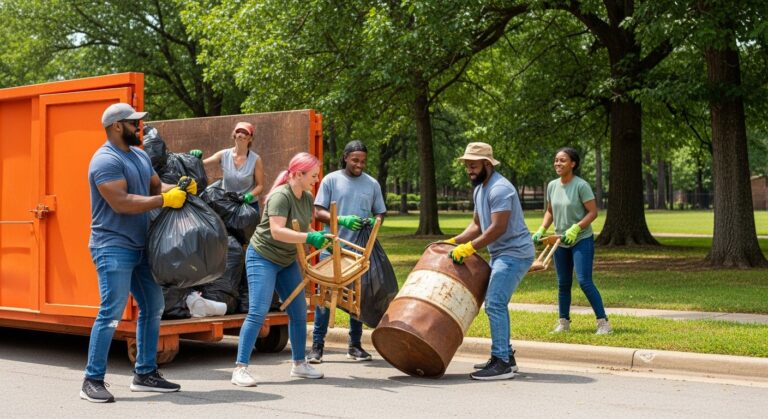
Community cleanups generate a surprising amount of waste. A single block cleanup can produce dozens of trash bags, old tires, discarded furniture, and green waste from overgrown lots. Without a centralized disposal solution, volunteers often have to haul trash to a landfill themselves, which wastes time and fuel. A dedicated dumpster solves this problem by providing a single, accessible drop-off point where everyone can deposit their collected debris. This centralization speeds up the work and keeps the site organized.
Moreover, renting a dumpster ensures that waste is disposed of properly. Many landfills require permits or charge fees for certain types of waste, and individual volunteers may not know the rules. A professional dumpster rental company handles the hauling and disposal, giving you peace of mind that the waste is handled according to local regulations. For an event organizer, this reduces liability and frees you to focus on coordinating volunteers and celebrating the results.
Estimating the Right Dumpster Size for Your Event
Choosing the correct dumpster size is one of the most important decisions you will make. Too small, and you will run out of space before the event ends, forcing volunteers to stop working or pile trash on the ground. Too large, and you pay for unused capacity. Most rental companies in Arkansas offer sizes ranging from 10-yard to 40-yard dumpsters. Here is a quick guide to help you match size to event scale.
10-yard dumpster: Best for small neighborhood cleanups or one-block events where you expect mostly bagged household trash and a few small items like chairs or branches. It holds about 10 cubic yards of material, roughly equivalent to three pickup truck loads.
20-yard dumpster: A popular choice for medium-sized cleanups covering a few blocks or a small park. It can handle mixed debris including furniture, appliances (without Freon), and moderate amounts of yard waste. This size works well for events with 20-40 volunteers.
30-yard or 40-yard dumpster: Ideal for large-scale events like citywide cleanups, riverbank restorations, or post-disaster debris removal. These sizes accommodate bulky items such as mattresses, sofas, construction debris from illegal dumping sites, and large volumes of green waste. If you expect heavy participation or multiple collection points, consider renting two medium dumpsters instead of one giant unit for better placement flexibility.
Before renting, ask for a walkthrough of the cleanup area and get a rough estimate of the debris types. For example, a park with many fallen trees will need a different container than a residential street with old appliances and furniture. Many rental companies offer free consultations to help you choose the right size.
Factors That Affect Dumpster Size Needs
Beyond the number of volunteers, consider these variables. First, the type of debris matters. Heavy materials like concrete, dirt, or roofing shingles require special containers and often cannot be mixed with regular trash. Most community cleanups focus on household waste, yard debris, and bulky items, but if you expect construction or demolition debris, confirm that the rental company accepts it. Second, the duration of the event affects capacity. If your cleanup runs for a full weekend or multiple days, you may need a larger dumpster or a mid-event pickup. Finally, think about accessibility. A 40-yard dumpster takes up significant space, so make sure the drop-off location can accommodate the truck and container without blocking traffic or emergency access.
Navigating Arkansas Permit Requirements
Before placing a dumpster on a public street or sidewalk, check with the local city or county government. Many Arkansas municipalities require a permit for dumpsters placed in the right-of-way. The process is usually straightforward: you submit an application, pay a small fee (often $25 to $75), and specify the dates and location. Some cities also require a traffic control plan if the dumpster blocks a lane or sidewalk. For private property such as a church parking lot or community center, permits are typically not needed, but confirm with the property owner.
Additionally, be aware of waste disposal restrictions. Arkansas landfills do not accept hazardous materials such as paint, chemicals, batteries, or tires from residential cleanups in most standard dumpsters. If your event collects these items, you will need to arrange separate disposal or partner with a local hazardous waste facility. Many communities host separate collection days for electronics, paint, and tires, so coordinate with your city’s public works department to see if they can provide a drop-off station at your event.
Choosing a Dumpster Rental Provider in Arkansas
Not all rental companies offer the same level of service. For a community event, reliability is key. You need a provider that delivers the dumpster on time, places it exactly where you need it, and picks it up promptly after the event. Start by asking for recommendations from other community organizers or local government offices. Look for companies with experience serving community cleanups, as they understand the specific needs like flexible drop-off windows and accommodating multiple drop-off points.
When evaluating providers, ask about these details. In our guide on Commercial Dumpster Rental in Arkansas: Key Tips, we explain how to compare pricing structures and avoid hidden fees. Specifically, ask whether the quoted price includes delivery, pickup, and a weight allowance. Some companies charge extra for overweight loads, which can be a problem if your cleanup collects more heavy debris than expected. Also, confirm the company’s policy on prohibited items and what happens if prohibited items are found in the dumpster. Finally, ask about their scheduling flexibility. If your event is postponed due to weather, can they adjust the delivery date without penalty?
Setting Up the Dumpster for Maximum Efficiency
Placement of the dumpster can make or break your event. Choose a location that is easily accessible to volunteers but does not block traffic, pedestrian walkways, or emergency vehicles. If possible, place the dumpster at a central point within the cleanup area. For a park cleanup, near the parking lot or main entrance works well. For a neighborhood cleanup, choose a corner lot or a vacant area that is visible from the street. Make sure the ground is level and firm enough to support the weight of a loaded dumpster, especially if rain is in the forecast.
Once the dumpster is in place, set up clear signage directing volunteers to the drop-off point. Use bright cones or flags to mark the area, and consider posting a simple list of accepted items next to the dumpster. This reduces confusion and prevents improper disposal. Assign a volunteer to monitor the dumpster during peak hours to answer questions and ensure that bulky items are broken down to maximize space. For example, break cardboard boxes flat, remove legs from tables, and crush empty containers before tossing them in.
Volunteer Coordination and Safety
A successful cleanup depends on motivated and safe volunteers. Start by creating a simple map of the cleanup area and assign teams to specific zones. Provide each team with trash bags, gloves, and a clear briefing on what to collect and what to leave behind. Emphasize safety: volunteers should never attempt to lift heavy or awkward items alone. Encourage teamwork for bulky items like sofas or water heaters. Also, remind volunteers to watch for sharp objects, broken glass, and syringes. Provide puncture-proof gloves and a first aid kit at the dumpster location.
For events in hot Arkansas summers, schedule water breaks and provide sunscreen and hats. If the cleanup includes a river or creek, have a plan for safely removing debris from the water without entering unsafe currents. Coordinate with local emergency services if the cleanup is near busy roads. Finally, celebrate the volunteers’ efforts. After the dumpster is picked up, consider hosting a small thank-you gathering or posting before-and-after photos on social media to build momentum for future events.
After the Cleanup: Disposal and Reporting
Once the event ends, the dumpster rental company will haul away the debris. But your work is not quite done. Take a few minutes to inspect the cleanup area for any missed spots or hazardous items that were left behind. If the dumpster is on a public street, sweep the area to remove any loose debris that fell during loading. Then, report the results to your community. Share the total weight of waste collected, the number of volunteers, and the positive impact on the neighborhood. This data is valuable when applying for grants or sponsorships for future events.
If your event collected recyclables separately, coordinate with a local recycling center to ensure those materials are processed correctly. Some communities have drop-off centers that accept mixed recyclables, while others require sorting. By demonstrating responsible waste management, you set a standard for future cleanups and inspire others to participate.
Finally, evaluate the dumpster rental experience. Was the size right? Was the placement convenient? Did the provider deliver and pick up on time? Use this feedback to refine your planning for the next event. Over time, you will develop a repeatable model that makes community cleanups in Arkansas easier and more effective.
Community cleanups are more than just trash collection. They are opportunities to build relationships, foster pride in shared spaces, and create lasting environmental change. By investing in a proper dumpster rental, you remove the biggest logistical hurdle and set your event up for success. Whether you are organizing your first cleanup or your tenth, the right planning and the right rental partner will help you achieve a cleaner, stronger community.