
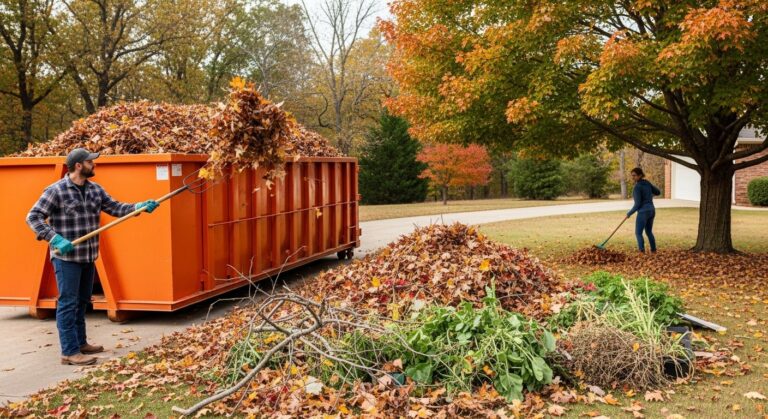
As the leaves change color and the temperatures drop, Arkansas homeowners face a familiar challenge: mountains of fallen leaves, broken branches, and end-of-season garden debris. Managing this organic waste efficiently can be the difference between a pristine property and a cluttered mess that invites pests or creates fire hazards. For many residents, a dedicated fall yard waste removal dumpster Arkansas solution offers the simplest path to a clean yard before winter sets in. Renting a roll-off container specifically for yard waste eliminates multiple trips to the landfill, reduces physical strain, and keeps your property looking its best through the holiday season.
Arkansas has distinct regional characteristics that affect fall cleanup. The Ozarks and Ouachita Mountains produce heavy leaf loads from oak, hickory, and maple trees. The Delta region deals with cottonwood and sycamore debris. Urban areas like Little Rock, Fayetteville, and Fort Smith have strict municipal collection schedules that often cannot handle large volumes of seasonal waste. This is where a temporary dumpster rental becomes a practical investment for both homeowners and property managers who need to clear acreage or multiple lots before the first frost.
Why Fall Cleanup in Arkansas Requires Special Planning
Autumn in Arkansas brings a unique combination of weather patterns and vegetation cycles. The state experiences a distinct leaf drop period from mid-October through late November, often accompanied by early winter storms that can bring down branches and limbs. Unlike spring cleanup, which focuses on growth management, fall yard waste removal deals primarily with dead and decaying organic material that can smother grass, block drainage systems, and create breeding grounds for mosquitoes and rodents if left unattended.
Many Arkansas municipalities have specific regulations regarding yard waste disposal. Some cities require leaves to be bagged in paper sacks, while others offer curbside pickup only during designated weeks. When you have more debris than your regular trash service can handle, a temporary dumpster provides a flexible alternative. You can load it at your own pace over several days, then have it hauled away when it is full. This is especially valuable for properties with large lots, multiple trees, or steep terrain where hauling debris to the curb is physically demanding.
The Environmental Benefits of Proper Yard Waste Disposal
Yard waste that ends up in landfills decomposes anaerobically, producing methane gas that contributes to greenhouse emissions. Many Arkansas disposal facilities now process organic waste separately for composting or mulching. By using a dedicated yard waste dumpster, you ensure that leaves, grass clippings, and small branches are diverted to appropriate processing facilities rather than taking up space in a landfill. This aligns with the state’s growing emphasis on sustainable waste management practices.
Composting facilities in Arkansas accept clean yard waste and turn it into nutrient-rich soil amendments that are sold back to gardeners and landscapers. When you rent a dumpster specifically for yard waste, you help close the loop on organic material. The service provider typically coordinates with local processing centers to ensure that your debris ends up in the right place. Just be sure to separate any non-organic items like plastic bags, treated lumber, or metal stakes before loading, as these can contaminate the compost stream.
What Can You Put in a Fall Yard Waste Dumpster?
Understanding acceptable materials prevents costly mistakes and ensures a smooth rental experience. Most Arkansas dumpster rental companies have clear guidelines for yard waste containers. The general rule is that the material should be natural, untreated, and biodegradable. Here are the common items allowed in a standard yard waste dumpster:
- Leaves, pine needles, and grass clippings from lawn maintenance
- Small tree branches, twigs, and brush (typically under 4 inches in diameter)
- Weeds, vines, and garden plants removed during fall cleanup
- Untreated wood scraps from pruning or storm damage
- Pine cones, acorns, and other natural tree droppings
It is equally important to know what cannot go into a yard waste dumpster. Treated lumber, painted wood, railroad ties, and composite decking contain chemicals that make them unsuitable for composting. Rocks, concrete, asphalt, and dirt are considered inert materials that require separate disposal. Large stumps and heavy logs may exceed weight limits and should be discussed with the rental company beforehand. Food waste, animal waste, and household trash should never be mixed with yard debris because they introduce pathogens and attract pests.
If you are unsure about a specific item, contact your dumpster provider before loading. Most companies in Arkansas have customer service teams that can answer questions about material restrictions. Taking a few minutes to verify can save you from extra fees or rejected loads at the disposal facility.
Choosing the Right Dumpster Size for Fall Yard Waste
Selecting the appropriate container size is one of the most important decisions in the rental process. A dumpster that is too small will require multiple hauls, increasing your total cost. A container that is too large may be difficult to place on your property and could exceed weight limits for the material you are disposing of. For fall yard waste removal in Arkansas, the most commonly rented sizes are 10-yard, 15-yard, and 20-yard dumpsters.
A 10-yard dumpster is ideal for small residential lots with one or two trees. It holds approximately 3 pickup truck loads of debris and fits easily in a driveway or side yard. Homeowners who do seasonal pruning and leaf collection often find this size sufficient for a weekend project. The 15-yard dumpster offers a middle ground, holding about 4.5 pickup loads. This size works well for properties with several mature trees or for homeowners who are also clearing out garden beds and overgrown shrubs.
The 20-yard dumpster is the largest standard option for residential yard waste. It can hold up to 6 pickup truck loads and is best suited for large rural properties, farms, or commercial landscaping projects. If you are tackling a major storm cleanup or clearing overgrown acreage, this size provides the capacity you need. Keep in mind that yard waste is often lighter than construction debris, so you might fill a larger container without exceeding weight limits. However, wet leaves and soil-laden roots can add significant weight, so always discuss your specific materials with the rental company.
Weight Considerations for Leaf and Branch Debris
Weight is a critical factor that many first-time renters overlook. Leaves that appear light when dry can become extremely heavy after rain or snow. A 20-yard dumpster filled with saturated leaves can easily exceed the maximum allowable weight for a standard rental. When this happens, you may incur overage charges that significantly increase your final bill. To avoid surprises, ask your rental provider about weight limits and whether their pricing includes a tonnage allowance.
One strategy to manage weight is to let leaves dry before loading them. If possible, allow freshly raked leaves to sit in a pile for a day or two to shed moisture. Another approach is to layer heavy and light materials. Place branches and sticks at the bottom to create airflow, then add leaves on top. This reduces compaction and helps the material dry out more quickly. If you are renting a dumpster during a wet Arkansas autumn, consider choosing a slightly larger container to avoid overfilling the weight limit.
When to Rent a Dumpster for Fall Yard Waste
Timing your rental strategically can save money and reduce stress. The peak fall cleanup season in Arkansas runs from mid-October through early December. Demand for dumpsters increases during this period, which can lead to higher prices and limited availability. To secure the best rates and ensure the size you need is in stock, book your rental at least two weeks in advance. Many companies offer discounts for early reservations or for rentals that extend into the slower winter months.
Consider the specific events on your calendar. If you are hosting Thanksgiving or a holiday gathering, schedule the dumpster drop-off a week before the event. This gives you time to complete the cleanup before guests arrive. After the holiday, you can use the remaining space to dispose of any additional yard waste generated by frost or storm activity. Some homeowners prefer to rent a dumpster for a full month, allowing them to clean up leaves as they fall rather than waiting for a single massive effort.
How to Prepare Your Property for Dumpster Delivery
Proper preparation ensures that the delivery driver can place the dumpster safely and without damaging your property. Choose a level, dry location that is easily accessible from the street. The delivery truck needs approximately 60 feet of clearance for the roll-off mechanism. Remove any low-hanging tree branches, power lines, or decorative structures that might obstruct the truck. Mark underground utilities before the delivery date, especially if you are placing the dumpster on a lawn or unpaved area.
Place plywood or wooden planks under the dumpster to distribute the weight and protect your driveway surface. Concrete and asphalt can crack under the concentrated weight of a fully loaded container, particularly if the ground is soft from fall rains. Most rental companies provide guidance on surface protection, but it is ultimately your responsibility to prevent damage. If you are placing the dumpster on grass, expect some rutting that will need to be repaired in the spring.
Cost Factors for Fall Yard Waste Dumpster Rental in Arkansas
Pricing for yard waste dumpsters in Arkansas varies based on location, dumpster size, rental duration, and disposal fees. On average, a 10-yard dumpster for yard waste costs between $250 and $400 for a week-long rental. A 20-yard container typically ranges from $350 to $550. These prices include delivery, pickup, and a base tonnage allowance. Additional fees apply if your debris exceeds the weight limit or if you keep the dumpster beyond the agreed rental period.
Some companies offer flat-rate pricing that includes a higher weight allowance specifically for yard waste. This can be more cost-effective if you have heavy materials like wet leaves or soil-laden roots. Always ask for a detailed quote that breaks down the base rate, fuel surcharges, environmental fees, and any potential overage costs. Comparing quotes from multiple providers in your area helps you find the best value. Remember that the cheapest option is not always the best if it comes with restrictive weight limits or poor customer service.
Local Regulations and Permits for Dumpster Placement
Arkansas cities have varying rules regarding dumpster placement on public property. If you need to place the container on the street, sidewalk, or any public right-of-way, you may need a permit from the local municipality. Little Rock, Fayetteville, and Springdale all have permit requirements for dumpsters in public spaces. The permitting process typically involves submitting an application, paying a small fee, and providing proof of insurance. Your dumpster rental company can often handle the permit application on your behalf, but it is important to ask about this service during the booking process.
Homeowners associations (HOAs) may also have restrictions on dumpster placement, duration, and appearance. Some HOAs require dumpsters to be screened from view or limit the number of days they can remain on the property. Check your HOA covenants before ordering to avoid fines or disputes. If you live in a neighborhood with strict rules, consider placing the dumpster in your driveway or backyard to keep it out of sight.
Tips for Efficiently Loading Your Yard Waste Dumpster
Maximizing the space inside your dumpster saves money and reduces the number of hauls needed. Start by loading the heaviest items first, such as large branches and thick brush. Place them at the bottom of the container to create a stable base. Then add lighter materials like leaves and grass clippings on top. Break down long branches into manageable lengths to fit more debris into the container. Use a rake or pitchfork to spread leaves evenly and prevent air pockets that waste space.
Do not overfill the dumpster beyond the fill line indicated on the sides. Overloaded containers are unsafe for transport and may result in additional fees or refusal of pickup. The debris should be level with the top edges of the dumpster and should not protrude above the rim. If you find that you have more debris than the container can hold, consider ordering a second dumpster or scheduling a mid-project pickup and replacement. Planning ahead prevents the frustration of a full dumpster halfway through your cleanup.
In our guide on Choosing the Right Junk Removal Dumpster for Your Project, we explain how to match container size to material type and volume. That resource provides additional detail on weight calculations and disposal options that apply to yard waste as well as general junk removal.
Environmental Alternatives to Dumpster Rental
While a dumpster is the most convenient option for large-scale cleanup, Arkansas residents also have other disposal methods available. Many counties operate leaf collection programs during the fall months. These programs typically require leaves to be bagged and placed at the curb on specific dates. Some communities offer free mulch or compost to residents who drop off yard waste at designated sites. For small properties with modest leaf loads, these municipal services may be sufficient.
Backyard composting is another alternative for homeowners who want to recycle organic material on-site. Leaves, grass clippings, and small twigs can be composted in a bin or pile and turned into nutrient-rich soil for gardens. This approach eliminates transportation costs and provides free fertilizer for next year’s plants. However, composting requires time, space, and effort. It is not practical for large volumes of debris or for homeowners who need immediate results. For most Arkansas residents, a combination of municipal services for routine leaf collection and a dumpster for major cleanups offers the best balance of cost and convenience.
Fall yard waste removal in Arkansas does not have to be a daunting task. With the right dumpster size, proper planning, and an understanding of local regulations, you can clear your property efficiently and responsibly. Whether you are preparing for winter, restoring your landscape after a storm, or simply maintaining curb appeal, a dedicated yard waste dumpster provides the capacity and flexibility that traditional collection methods cannot match. By choosing a reputable rental company that understands Arkansas’s unique seasonal challenges, you ensure that your fall cleanup is completed safely, affordably, and in an environmentally conscious manner.