
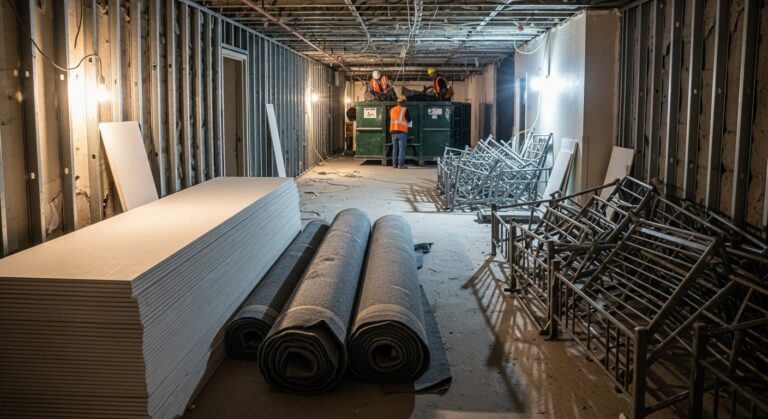
When a hotel in Arkansas undergoes renovation, the scale of debris can be overwhelming. From torn-out carpeting and old furniture to drywall and plumbing fixtures, the waste stream is both bulky and diverse. Without a disciplined waste management plan, these projects can spiral into costly delays, regulatory fines, and negative environmental impact. Hotel owners, general contractors, and property managers in Arkansas need a strategy that balances speed, compliance, and cost control. This guide walks through the essential steps for effective hotel renovation waste management in Arkansas, covering everything from regulatory requirements to practical on-site execution.
Understanding the Unique Challenges of Hotel Renovation Debris
Hotel renovations are not like residential remodels. The sheer volume of material is one challenge, but the variety is another. A single floor might generate mixed loads of textile waste from carpets and drapes, metal from bed frames and fixtures, hazardous materials like old paint or cleaning chemicals, and large bulky items such as mattresses and televisions. Each category has different disposal or recycling requirements.
Timing adds another layer of complexity. Hotels operate on tight schedules to minimize revenue loss. A renovation that runs over schedule means lost bookings and negative reviews. Waste removal must be synchronized with construction phases to avoid bottlenecks. This is where professional hotel renovation waste management in Arkansas becomes a critical success factor. Companies that specialize in this field understand how to stage dumpsters, schedule pickups, and separate materials efficiently.
Regulatory Compliance for Arkansas Hotel Projects
Arkansas has specific rules governing construction and demolition debris. The Arkansas Department of Energy and Environment (DEQ) oversees waste disposal, and hotels must ensure that renovation waste does not end up in unauthorized landfills or illegal dump sites. Mixed construction debris can go to permitted landfills, but certain materials require special handling.
For example, asbestos-containing materials are common in older hotels built before the 1980s. Floor tiles, insulation, and pipe lagging may contain asbestos. Arkansas law requires licensed abatement contractors to handle and dispose of asbestos waste separately. Failing to do so can result in significant fines and liability. Similarly, electronics like televisions, computers, and security systems fall under Arkansas’s e-waste regulations. They should be recycled through certified processors rather than thrown in a dumpster.
A comprehensive waste management plan should include a pre-renovation audit to identify hazardous materials. This audit informs the disposal strategy and helps avoid surprises during demolition. Partnering with a waste management provider experienced in hotel renovation waste management in Arkansas ensures that every regulatory box is checked.
Creating a Waste Management Plan Before Demolition Starts
The most successful hotel renovations begin with a written waste management plan. This document outlines how waste will be sorted, stored, hauled, and disposed of. It also assigns responsibilities to the general contractor, subcontractors, and waste hauler. A good plan includes the following elements:
- Estimated waste volume by material type (e.g., 40 cubic yards of mixed debris, 10 cubic yards of metal, 5 cubic yards of e-waste)
- Designated staging areas for dumpsters and roll-off containers
- Schedule for container swaps and pickups aligned with construction phases
- Recycling and donation partners for items like furniture, fixtures, and appliances
- Emergency procedures for spills or unexpected hazardous material discovery
Once the plan is in place, communicate it to everyone on site. A brief toolbox talk before demolition begins can prevent confusion. For example, if workers know that all metal goes into a separate roll-off, they will not contaminate the mixed debris container. This discipline reduces disposal costs because recycling metal is often cheaper than landfilling it. In our guide on healthcare facility renovation waste management Arkansas, we discuss similar strategies that apply to large-scale commercial projects.
Choosing the Right Dumpster and Container Strategy
Dumpster selection directly affects project efficiency. For hotel renovations, the most common options are 30-yard and 40-yard roll-off containers. A 30-yard container holds roughly nine pickup truck loads of debris, while a 40-yard holds about twelve. Hotels generating large amounts of lightweight debris like carpet padding and drywall may benefit from a 40-yard container to reduce the frequency of swaps.
However, weight matters too. Heavy materials like concrete, tile, and cast-iron pipes can quickly exceed weight limits. Overweight containers incur extra fees. A better approach is to separate heavy debris into a dedicated container and lighter materials into another. This strategy keeps each container within weight allowances and avoids surprise charges.
Access is another consideration. Hotels often have narrow loading docks, underground parking garages, or tight alleyways. Roll-off trucks need about 60 feet of clearance to deploy and retrieve containers. If space is limited, smaller containers with more frequent pickups may be necessary. Some waste management providers offer front-load dumpsters for ongoing daily waste during renovation, which can be placed closer to work areas.
Recycling and Donation Opportunities for Hotel Materials
Hotels contain many items that can be diverted from landfills. Furniture in good condition can be donated to nonprofit organizations, shelters, or disaster relief groups. In Arkansas, organizations like the Arkansas Hospitality Association sometimes facilitate donation programs. Metal fixtures, copper piping, and aluminum frames have scrap value and should be recycled.
Carpet and padding present a recycling challenge but not an impossible one. Some carpet manufacturers operate take-back programs. Alternatively, companies that recycle carpet into plastic lumber or fuel pellets exist in the region. Drywall can be recycled into new drywall or agricultural soil amendment if enough volume is generated.
Electronics recycling is mandatory for certain items under Arkansas law. Televisions, computers, and printers contain lead, mercury, and other hazardous components. Certified e-waste recyclers ensure these materials are processed safely. Many offer pickup services for large volumes generated by hotel renovations.
The financial case for recycling is strong. Disposal costs for mixed debris typically run higher than recycling fees for clean loads. By sorting materials on site, hotels can reduce their overall waste management budget. Additionally, documenting recycling efforts can support green building certifications like LEED, which adds marketing value to the renovated property.
Managing Hazardous Materials Safely
Beyond asbestos and e-waste, hotel renovations often uncover other hazardous materials. Old paint may contain lead. Cleaning chemicals stored in housekeeping closets may be flammable or corrosive. Light fixtures may contain ballasts with polychlorinated biphenyls (PCBs). Each of these requires specific handling and disposal procedures.
Arkansas DEQ requires that hazardous waste be transported by licensed carriers and disposed of at permitted facilities. Mixing hazardous waste with construction debris is illegal and dangerous. Hotels should designate a secure area for hazardous material accumulation and label containers clearly. A hazardous waste manifest must accompany off-site shipments.
Many waste management providers offer hazardous waste services as part of their portfolio. For hotel renovation waste management in Arkansas, it is wise to select a provider that can handle both general construction debris and hazardous streams under one contract. This simplifies coordination and ensures no gaps in compliance.
Cost Control Strategies for Large-Scale Renovations
Waste management costs can consume 3-5% of a hotel renovation budget if not managed carefully. The key cost drivers are container rental fees, disposal tipping fees, and transportation charges. Controlling these requires a combination of planning and real-time monitoring.
First, negotiate a flat-rate or inclusive price per container rather than per ton if the waste stream is predictable. This shields the project from tipping fee volatility. Second, schedule container swaps to avoid idle time. A container sitting half-full for three days is wasted money. Third, enforce a strict no-contamination policy. When recyclable materials end up in the landfill container, the project pays disposal fees unnecessarily.
Another cost-saving tactic is to deconstruct rather than demolish where possible. Removing cabinets, vanities, and doors intact allows them to be donated or sold. This reduces the volume of debris that must be hauled away. Some hotels recoup a portion of renovation costs by selling used furniture through liquidators or online marketplaces.
Coordinating Waste Removal with Renovation Schedule
A hotel renovation typically proceeds in phases: demolition, rough-in, finishing, and final cleanup. Each phase generates different waste types and volumes. Demolition produces the most debris, often filling multiple containers in a single week. Rough-in generates smaller amounts of scrap metal, wiring, and piping. Finishing produces packaging waste from new materials and occasional cut-offs.
Waste removal should be scheduled to match these peaks and valleys. During demolition, daily or every-other-day container swaps may be necessary. During finishing, weekly pickups may suffice. The waste management provider should be flexible enough to adjust frequency as the project evolves.
Communication is critical. Assign a single point of contact from the general contractor’s team to coordinate with the hauler. This person monitors container fill levels, calls for swaps, and ensures that containers are not blocked by deliveries or other equipment. A simple group chat or daily email update can prevent miscommunication.
Environmental and Reputational Benefits
Guests today are increasingly conscious of sustainability. Hotels that can demonstrate responsible waste management during renovation earn goodwill and positive reviews. Publicizing recycling rates, donation partnerships, and waste diversion goals in marketing materials can differentiate a property from competitors.
Arkansas is home to many natural attractions, and travelers expect hospitality businesses to protect the environment. A hotel that sends 80% of renovation waste to recycling or donation rather than landfill can share that story. It also positions the hotel favorably for corporate contracts, as many companies require vendors to meet sustainability standards.
Beyond marketing, responsible waste management reduces the hotel’s carbon footprint. Manufacturing new materials from recycled content uses less energy than virgin production. Every ton of drywall recycled saves the equivalent of 1,000 pounds of carbon dioxide emissions. These numbers add up quickly on a large renovation project.
Hotel renovation waste management in Arkansas is not just about following rules. It is an opportunity to operate more efficiently, protect the environment, and build a stronger brand. With the right planning, partners, and processes, hotels can turn a messy demolition into a showcase of responsible stewardship.
Whether you are renovating a boutique hotel in Fayetteville or a large resort in Hot Springs, the principles remain the same: plan ahead, sort materials, follow regulations, and work with a waste management provider who understands the unique demands of hospitality projects. The result is a smoother renovation, lower costs, and a facility that stands ready to welcome guests for years to come.