
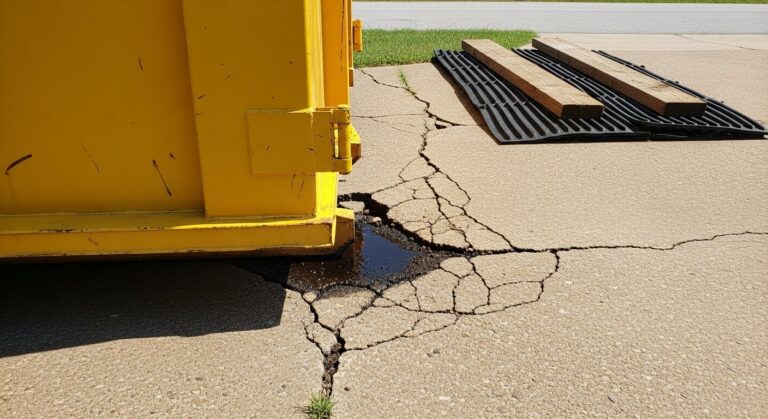
Renting a dumpster for a home renovation, roofing project, or major cleanout in Arkansas can save you countless trips to the landfill. However, the convenience of a large metal bin sitting on your driveway for several days comes with a hidden risk. The weight of a fully loaded dumpster, combined with Arkansas’s hot summers and freeze-thaw cycles, can crack asphalt, leave deep gouges in concrete, or stain the surface. Without proper protection, you could be left with a repair bill that rivals the cost of the dumpster itself. This guide explains exactly how to shield your driveway during a dumpster rental in Arkansas, ensuring your project ends with a clean home and an unblemished driveway.
Why Arkansas Driveways Face Unique Risks
The climate in Arkansas presents specific challenges for driveway surfaces. Summer temperatures often exceed 90 degrees Fahrenheit, softening asphalt and making it vulnerable to indentation. During winter, freeze-thaw cycles cause concrete and asphalt to expand and contract, creating cracks that a heavy dumpster can widen. Additionally, many Arkansas homes have driveways with a slight slope for drainage. A dumpster placed on an incline can shift, scraping the surface or causing the metal edges to dig into the pavement. Understanding these local conditions is the first step in selecting the right protective measures.
Homeowners in cities like Little Rock, Fayetteville, and Fort Smith also face varying soil types. Clay-heavy soil expands when wet, which can cause driveways to heave or settle unevenly. Placing a heavy dumpster on a driveway with existing stress points can accelerate damage. By taking proactive steps to protect your driveway, you avoid not only cosmetic blemishes but also structural issues that require expensive repairs.
Assessing Your Driveway Before Delivery
Before the dumpster arrives, inspect your driveway thoroughly. Look for existing cracks, potholes, or areas where the surface has deteriorated. Take photographs or a video with a timestamp. This documentation serves as evidence if a dispute arises over pre-existing damage. Pay special attention to the edges of the driveway, where the concrete or asphalt is thinnest and most prone to cracking under concentrated weight.
Check the thickness of your driveway if possible. Standard residential driveways are 4 to 6 inches thick. If your driveway is thinner than 4 inches, the weight of a loaded dumpster (which can exceed 10,000 pounds) may cause it to crack or sink. In such cases, you should consider placing the dumpster on the street (if local permits allow) or on a side yard with a gravel base. If you must place it on a thin driveway, additional protection like plywood sheets and rubber mats becomes non-negotiable.
Choosing the Right Protective Materials
Not all driveway protection is created equal. The materials you choose should distribute the dumpster’s weight evenly and prevent direct contact between the metal bin and the pavement. Here are the most effective options for Arkansas homeowners.
Plywood Sheets
Three-quarter-inch exterior-grade plywood is the industry standard for protecting driveways. Cut the plywood into sheets that extend at least 12 inches beyond the dumpster’s footprint on all sides. This extra margin prevents the metal edges from digging into the pavement when the dumpster is set down or lifted. For a standard 20-yard dumpster (roughly 8 feet wide by 22 feet long), you will need at least four sheets of 4×8-foot plywood laid side by side. Place the plywood directly under the dumpster’s support rails, not just under the center. The rails bear most of the weight, so protecting those contact points is critical.
Rubber Driveway Mats
Rubber mats designed for construction sites provide excellent cushioning and grip. They prevent the dumpster from sliding on sloped driveways and absorb some of the impact when the bin is dropped. Look for mats at least half an inch thick with a textured surface. Place them between the plywood and the dumpster for maximum protection. Rubber mats also reduce the risk of rust stains, as they create a barrier between the metal and the pavement.
Heavy-Duty Plastic Sheeting
If your primary concern is staining from wet debris or rust runoff, heavy-duty plastic sheeting (6 mil or thicker) can be laid under the plywood. This prevents moisture from seeping into the driveway surface. However, plastic alone offers no weight distribution. It must always be used in combination with plywood or mats. Avoid using thin tarps, as they can tear under the weight and provide no real protection.
Preparing the Driveway Surface
Once you have your materials, prepare the driveway for the dumpster delivery. Sweep the area thoroughly to remove stones, dirt, and debris. Small rocks caught under the dumpster can act like ball bearings and scratch the surface. If the forecast calls for rain, consider delaying the delivery or covering the plywood with a tarp to keep it dry. Wet plywood can warp and lose its load-bearing capacity.
If your driveway has a steep slope, you may need to level the area where the dumpster will sit. Use wooden shims or gravel to create a flat, stable base. Never place a dumpster directly on a slope without leveling, as the shifting weight can cause the bin to tip or slide, damaging both the driveway and surrounding property.
Communicating with Your Dumpster Rental Provider
Professional dumpster rental companies in Arkansas, such as those serving the construction and renovation industries, understand the importance of driveway protection. Before scheduling delivery, ask the provider about their placement policies. Reputable companies will agree to place the dumpster on plywood you provide, and some may offer protective materials for an additional fee. In our guide on commercial dumpster rental in Arkansas: key tips, we explain how to coordinate with providers to avoid damage.
Request that the driver lower the dumpster gently rather than dropping it from a height. A controlled placement reduces the impact force on your driveway. Also, confirm that the delivery truck will not drive onto your driveway unless it is structurally sound. Heavy roll-off trucks can weigh over 30,000 pounds, which can crack even a well-built driveway. Ask the driver to park on the street and use a winch or conveyor system to move the dumpster into position if necessary.
Monitoring the Dumpster During the Rental Period
Protecting your driveway does not end once the dumpster is in place. Throughout the rental period, monitor the area under and around the dumpster for signs of stress. Check for cracking sounds, visible depressions in the pavement, or water pooling under the bin. If you notice any of these signs, contact your rental provider immediately. They may be able to reposition the dumpster or add additional support.
Be mindful of what you load into the dumpster. Distribute heavy materials like concrete, brick, or dirt evenly across the bin rather than piling them all in one corner. Uneven weight distribution concentrates stress on a small area of the driveway, increasing the risk of cracking. If you are loading heavy debris, consider filling the dumpster in layers: start with lighter materials at the bottom, then add heavier items on top. This helps balance the load and reduces the overall pressure on the pavement.
Avoid overfilling the dumpster. Most rental agreements specify a fill line, and exceeding it can result in extra fees. More importantly, an overfilled dumpster is heavier and harder to haul, increasing the force on your driveway during pickup. Keep the debris level with the top edge of the bin or lower.
Dealing with Stains and Spills
Even with robust protection, spills can happen. Arkansas’s hot sun can bake stains into pavement quickly. If you are disposing of oily materials, paint, or chemicals, place them in sealed containers before tossing them into the dumpster. Avoid pouring liquids directly into the bin. If a spill occurs, clean it immediately with an absorbent material like kitty litter or a commercial spill absorbent. Sweep up the absorbent and dispose of it in the dumpster.
Rust stains are another common issue. The metal dumpster can develop rust, especially after rain, and the rust can transfer to your driveway. Applying a rust converter to the dumpster’s bottom edges before delivery can help, but this is not always practical. Instead, rely on your plywood and rubber mat barrier to keep the metal off the pavement. If rust stains do appear, a poultice of lemon juice and baking soda can often lift them from concrete. For asphalt, a gentle pressure wash with a degreaser may work. Always test cleaning solutions on a small, inconspicuous area first.
What to Do If Damage Occurs
Despite your best efforts, damage can sometimes occur. If you discover cracks, gouges, or stains after the dumpster is removed, document the damage thoroughly with photos and measurements. Review your rental agreement to understand the company’s liability policy. Many providers include a clause stating they are not responsible for driveway damage unless they caused it through negligence (such as dropping the dumpster from a height or driving on a fragile surface).
If the damage is minor, you may be able to repair it yourself. Asphalt crack filler and concrete patching compound are available at most hardware stores. For larger cracks or sunken areas, hire a professional paving contractor. In some cases, your homeowner’s insurance policy may cover driveway damage caused by a rental dumpster. Check with your insurance agent before filing a claim, as deductibles and policy limits apply.
To avoid disputes, choose a dumpster rental company with transparent policies and good reviews. Companies that prioritize customer satisfaction will work with you to resolve damage fairly. Avoid providers who refuse to discuss driveway protection or who dismiss your concerns.
Alternatives to Driveway Placement
In some situations, the safest option is to avoid placing the dumpster on the driveway altogether. If your driveway is old, cracked, or made of a fragile material like brick or paver stones, consider these alternatives:
- Street placement: Many Arkansas cities allow dumpsters on the street with a permit. Check with your local municipal office for rules and fees. Street placement eliminates driveway risk entirely, but you must ensure the dumpster does not block traffic or create a hazard.
- Side yard or gravel area: If you have a side yard with compacted gravel or a designated parking pad, place the dumpster there. Lay plywood over the gravel to prevent the dumpster from sinking into the ground.
- Empty garage or carport: For smaller dumpsters (10 yards or less), some homeowners place them inside a garage with a concrete floor. Ensure there is enough clearance for the delivery truck to maneuver the bin into position.
Each alternative has its own set of considerations, including access for the delivery truck and local zoning laws. Discuss your options with your dumpster rental provider; they can advise on the best placement for your property.
Protecting your driveway during a dumpster rental in Arkansas requires planning, the right materials, and clear communication with your provider. By assessing your driveway beforehand, using plywood and rubber mats, loading the dumpster properly, and knowing how to handle spills and damage, you can complete your project with confidence. A little effort upfront saves you from the frustration and expense of repairing a damaged driveway after the dumpster is gone.