After a natural disaster strikes Arkansas, homeowners and business owners face the overwhelming task of sorting through debris while trying to secure FEMA reimbursement. The process can feel chaotic, but a strategic approach to dumpster rental for disaster debris sorting can streamline cleanup and maximize your financial recovery. Many property owners in Arkansas do not realize that proper debris sorting directly impacts their FEMA reimbursement eligibility, and renting the right dumpster is the first step toward compliance.
FEMA requires debris to be separated into specific categories before reimbursement can be approved. This means that unsorted mixed waste placed in a single dumpster may disqualify you from receiving funds. By understanding the connection between Arkansas dumpster rental for disaster debris sorting and FEMA reimbursement, you can avoid costly mistakes and speed up the recovery process. In this article, we will walk through the key requirements, sorting strategies, and rental options that align with federal guidelines.
Understanding FEMA Debris Sorting Requirements
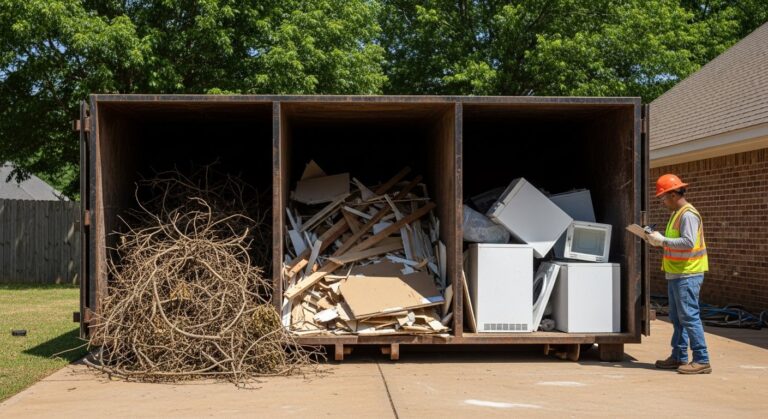
FEMA establishes strict categories for disaster debris to ensure safe disposal and environmental compliance. These categories include vegetative debris (trees, branches), construction and demolition debris (lumber, drywall, roofing), hazardous waste (chemicals, batteries), white goods (refrigerators, washers), electronics, and vehicle waste. Each category must be collected separately, and mixing them can result in denied reimbursement claims.
For Arkansas property owners, this means you cannot simply toss everything into one dumpster and expect FEMA to cover the cost. Instead, you must plan for multiple dumpsters or sequential rentals that allow for proper segregation. FEMA auditors will inspect your disposal records and may request documentation proving that debris was sorted correctly. This is where a professional dumpster rental provider becomes invaluable, as they can advise on the right containers for each waste stream.
Why Dumpster Rental Matters for FEMA Reimbursement
Renting dumpsters specifically for disaster debris sorting serves two critical purposes. First, it provides a controlled environment for separating materials at the source. Second, it creates a clear paper trail for reimbursement. When you use a single dumpster for all debris, you lose the ability to prove compliance. However, by renting separate dumpsters for vegetative waste, construction debris, and other categories, you generate documentation that satisfies FEMA’s requirements.
In Arkansas, where tornadoes, floods, and ice storms frequently cause widespread damage, having a reliable dumpster rental partner can mean the difference between receiving thousands of dollars in reimbursement or shouldering the entire cleanup cost yourself. Providers like those featured in our guide on home addition waste management in Arkansas offer flexible scheduling and multiple container sizes that adapt to disaster scenarios. Their expertise helps you avoid common pitfalls that lead to rejected claims.
Key Steps for Sorting Disaster Debris in Arkansas
To maximize your FEMA reimbursement, follow this structured approach to debris sorting and dumpster rental. These steps align with federal guidelines and are designed for Arkansas property owners dealing with storm or flood damage.
Step one: conduct a damage assessment before any cleanup begins. Walk your property with a camera and notebook, documenting every type of debris present. This inventory will help you determine how many dumpsters you need and which sizes will accommodate each category. FEMA requires photographic evidence for large claims, so take clear shots of piled debris before moving anything.
Step two: contact a local dumpster rental company that understands FEMA compliance. Ask about their experience with disaster debris sorting and whether they provide separate containers for vegetative waste, C&D debris, and appliances. A knowledgeable provider will recommend roll-off dumpsters in sizes ranging from 10 to 40 yards depending on your debris volume.
Step three: establish sorting zones on your property. Designate specific areas for each debris category and place dumpsters accordingly. This prevents cross-contamination and makes it easier for FEMA inspectors to verify compliance. For example, place one dumpster near downed trees for vegetative waste and another near structural damage for lumber and drywall.
Step four: keep detailed records of each dumpster rental, including pickup dates, weights, and disposal receipts. FEMA requires proof that debris was transported to permitted facilities. Your dumpster provider should supply invoices that specify the waste type and disposal location. Store these documents in a waterproof folder alongside your damage photos.
Common Mistakes That Jeopardize Reimbursement
Even well-intentioned property owners make errors that cost them FEMA funds. One frequent mistake is mixing hazardous materials like paint cans or batteries with general construction debris. Hazardous waste requires special handling and separate disposal, and mixing it with other categories can result in a complete denial of your claim.
Another error is underestimating the volume of vegetative debris. After a major storm, trees and branches can fill a 20-yard dumpster quickly. If you rent only one dumpster for all organic waste and it overflows, you may be forced to mix it with other debris, violating sorting rules. Always order at least one additional dumpster for vegetative waste to account for unexpected volume.
Finally, some property owners attempt to save money by using a single dumpster and sorting debris at the landfill. This approach rarely works because landfill operators are not responsible for FEMA compliance. Sorting must occur at the source to meet reimbursement standards. Invest in multiple dumpsters upfront, and you will recover the cost through your FEMA payment.
Choosing the Right Dumpster Size for Each Debris Type
Selecting appropriate dumpster sizes is crucial for efficient sorting and cost management. Below are common debris categories and recommended dumpster sizes for Arkansas disaster sites.
- Vegetative waste: 20-yard or 30-yard dumpsters work well for branches, leaves, and tree trunks. These containers have high walls to contain bulky organic material without overfilling.
- Construction and demolition debris: 30-yard or 40-yard dumpsters accommodate lumber, drywall, roofing shingles, and concrete. Heavy materials like concrete may require a smaller dumpster to stay within weight limits.
- White goods (appliances): 10-yard or 15-yard dumpsters are sufficient for refrigerators, washers, dryers, and stoves. These items are bulky but not heavy, so smaller containers prevent wasted space.
- Electronic waste: 10-yard dumpsters with secure lids keep computers, televisions, and other e-waste contained and protected from weather.
After selecting sizes, confirm with your rental provider that each dumpster will be collected separately and taken to the appropriate disposal facility. Some facilities specialize in C&D recycling, while others handle vegetative waste for mulching. FEMA requires that each waste stream be processed at a permitted site, so verify this with your hauler.
Documentation Tips for a Smooth FEMA Claim
Proper documentation transforms your debris sorting efforts into a successful reimbursement claim. Start by creating a log that tracks each dumpster rental, including the rental date, container size, waste category, and disposal facility. Photograph each dumpster before and after filling to show that debris was sorted correctly.
Save all receipts and invoices from your dumpster rental company. These documents should clearly state the type of waste collected and the destination facility. If your provider offers itemized invoices, request them. FEMA reviewers look for specificity, so generic receipts that say “debris removal” without categorization may be rejected.
You should also keep copies of any permits or approvals from local authorities. In Arkansas, some counties require permits for large dumpsters placed on residential streets. Having these documents on hand demonstrates that you followed all regulations during cleanup, which strengthens your claim.
Working With a Professional Dumpster Rental Provider in Arkansas
Partnering with a local dumpster rental company that specializes in disaster recovery simplifies the entire process. These providers understand FEMA’s sorting requirements and can recommend the right mix of dumpsters for your specific damage. They also have relationships with disposal facilities that accept each debris category, ensuring your waste is processed correctly.
When interviewing rental companies, ask about their experience with FEMA reimbursement cases. A provider that has helped other Arkansas property owners navigate the claims process will offer valuable insights, such as which documentation formats FEMA prefers and how to handle hazardous waste. They may also offer flexible pickup schedules that adapt as your sorting progresses.
Additionally, many reputable dumpster rental companies in Arkansas provide emergency response services during disasters. They can deliver dumpsters quickly, often within 24 hours, and may offer discounted rates for FEMA-related projects. This responsiveness is critical when you need to start cleanup immediately to prevent further damage to your property.
Cost Considerations and FEMA Reimbursement Limits
Understanding the costs associated with dumpster rental for disaster debris sorting helps you budget effectively and set realistic expectations for FEMA reimbursement. Standard rental prices in Arkansas range from $300 to $800 per dumpster depending on size and rental duration. Multiple dumpsters for different debris categories increase upfront costs, but FEMA typically reimburses these expenses if they are reasonable and necessary.
FEMA’s reimbursement is based on actual costs incurred, not estimates. Keep every receipt and invoice, as the agency will compare your expenses to local market rates. If your dumpster rental costs exceed typical prices, be prepared to justify the difference, perhaps due to emergency delivery fees or specialized disposal requirements.
It is also important to note that FEMA reimbursement is limited to debris removal from private property that poses a threat to public health or safety. Debris that is purely aesthetic or located in areas not accessible to emergency vehicles may not qualify. Work with your local emergency management office to confirm which debris on your property is eligible before renting dumpsters.
By taking a methodical approach to Arkansas dumpster rental for disaster debris sorting and FEMA reimbursement, you can turn a chaotic cleanup into a structured process that maximizes financial recovery. Focus on sorting at the source, documenting every step, and partnering with a knowledgeable rental provider. These actions will position you for a successful claim and help restore your property more quickly.