When planning a renovation or building project in Arkansas, the debris left behind can be overwhelming. Many property owners assume that a full-scale demolition is the only path forward, but that is rarely the case. A selective tear down allows you to remove only the unwanted sections of a structure while preserving the rest. This approach reduces costs, minimizes environmental impact, and keeps your project on schedule. However, managing the resulting waste requires a strategic plan, especially when you factor in local disposal regulations and recycling options. Understanding partial demolition waste removal Arkansas selective tear down practices can save you time, money, and a great deal of frustration.
Whether you are remodeling a kitchen, removing an old deck, or clearing out a commercial space for new tenants, the waste generated can include wood, drywall, concrete, metal, and hazardous materials. Each type requires different handling. A professional waste removal service that understands selective tear down logistics can help you segregate materials on site, maximize recycling rates, and avoid costly landfill fees. In this article, we will explore the key steps, benefits, and considerations for managing debris from a selective tear down in Arkansas.
What Is a Selective Tear Down and Why Choose It?
A selective tear down, also called partial demolition, involves removing specific parts of a building while leaving the rest intact. This is common in renovations where the foundation, load-bearing walls, or exterior shell remain. For example, you might gut the interior of a house to update plumbing and electrical systems while keeping the roof and frame. In commercial projects, selective tear down allows business owners to reconfigure floor plans without shutting down operations entirely.
The primary advantage of this method is cost control. Full demolition can be expensive and wasteful. Selective tear down reduces the volume of debris, lowers disposal costs, and shortens project timelines. It also supports sustainability goals because salvageable materials like lumber, fixtures, and metals can be donated or recycled. For Arkansas property owners, this approach aligns with state efforts to reduce construction waste in landfills. Additionally, selective tear down often requires fewer permits and less heavy equipment, which keeps the job simpler and more manageable.
Key Steps in Partial Demolition Waste Management
Successfully managing waste from a selective tear down requires careful planning from the start. Without a clear strategy, debris can pile up quickly and create safety hazards or delays. Below are the essential steps to keep your project clean and compliant.
Step 1: Assess the Scope and Materials
Before any work begins, walk through the site with your contractor or waste removal partner. Identify which materials will be removed and which will stay. Common materials in selective tear downs include drywall, wood framing, flooring, insulation, windows, and roofing. Note any hazardous substances like asbestos, lead paint, or old chemical containers. These require special handling and disposal procedures under Arkansas law.
Step 2: Sort and Segregate On Site
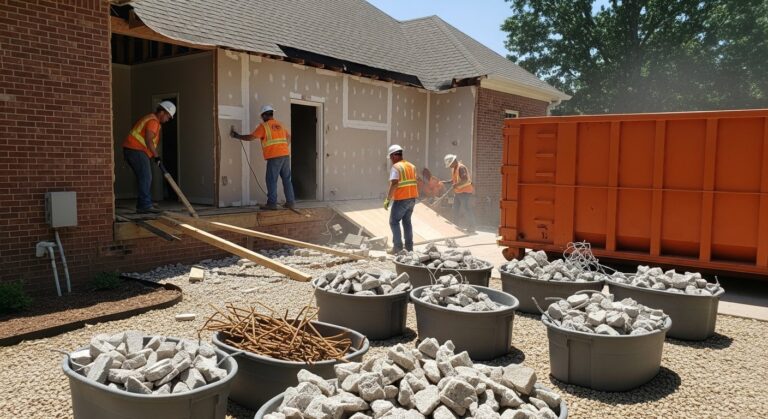
Set up designated areas for different waste streams. This can be as simple as color-coded bins or clearly labeled piles. Separating materials at the source makes recycling easier and can lower your overall disposal costs. For instance, clean wood can go to a biomass facility, metal can be sold to a scrap yard, and concrete can be crushed for reuse as aggregate. Mixed debris that goes straight to a landfill is more expensive to dispose of and wastes valuable resources.
Step 3: Choose the Right Disposal Method
Depending on the volume and type of waste, you have several options. For small to medium projects, a roll-off dumpster is often the most efficient solution. You can rent a dumpster sized to your needs, fill it as work progresses, and have it hauled away when full. For larger commercial tear downs, you might need multiple dumpsters or a temporary on-site compactor. Some waste removal companies also offer bags or bins for lighter debris. In our guide on Interior Demolition Waste: Arkansas Dumpster Guide, we explain how to match dumpster sizes to specific project types.
Step 4: Schedule Regular Pickups
Avoid letting debris accumulate for too long. Schedule pickups based on the pace of your demolition. For example, if you are removing drywall in stages, arrange for a dumpster swap every few days. This keeps the work area safe and prevents odors or pest issues. Your waste removal provider can help you create a pickup schedule that aligns with your project timeline.
Step 5: Document and Certify Disposal
For commercial projects or those involving hazardous materials, you may need to provide documentation that waste was disposed of legally. Reputable waste removal companies will supply receipts or manifests showing where materials went. This is especially important if your project requires an environmental audit or if you plan to claim green building credits.
Benefits of Professional Partial Demolition Waste Removal
Handling debris yourself might seem like a way to save money, but it often leads to hidden costs. Professional waste removal services bring expertise, equipment, and local knowledge that can streamline your project. Here are key benefits to consider.
Compliance with Arkansas Regulations
Arkansas has specific rules for construction and demolition waste. Landfills may accept only certain materials, and some counties require permits for dumpster placement on public property. A professional service stays current with these regulations and can advise you on what can go where. This reduces the risk of fines or rejected loads.
Safety and Efficiency
Demolition debris can be heavy, sharp, or contaminated. Lifting and moving large amounts of waste without proper equipment can cause injuries. Professionals use roll-off dumpsters, trucks with lifts, and protective gear to handle waste safely. They also know how to load trucks efficiently to maximize each trip, which reduces the number of hauls and your overall cost.
Environmental Stewardship
Selective tear down naturally generates less waste than full demolition, but you can still reduce your footprint further by working with a company that prioritizes recycling. Many Arkansas waste removal providers partner with local recycling centers and donation organizations. Materials like metal, concrete, and untreated wood can be diverted from landfills and given a second life.
Time Savings
Sorting, hauling, and disposing of debris takes time away from your core renovation work. By outsourcing waste removal, you free up your crew to focus on construction tasks. This can shorten your project timeline and help you meet deadlines more easily.
Common Challenges and How to Overcome Them
Even with a solid plan, selective tear down projects can present unexpected obstacles. Being aware of these challenges in advance helps you prepare and avoid costly delays.
- Hidden Hazardous Materials: Asbestos, lead, and mold are common in older buildings. Always test for these before demolition begins. If found, hire a licensed abatement contractor. Do not mix hazardous waste with regular debris.
- Access Limitations: Tight driveways, low-hanging trees, or narrow alleys can make it hard to place a dumpster. Discuss access with your waste provider early. They may recommend a smaller dumpster or a different placement strategy.
- Unexpected Volume: What looks like a small tear down can produce more debris than anticipated. Order a dumpster slightly larger than your estimate to avoid overflow. Many providers allow you to upgrade size mid-project if needed.
- Weather Delays: Rain can make debris heavy and muddy, increasing weight and disposal costs. Cover dumpsters with tarps if possible, and plan for extra hauling days during wet seasons.
Addressing these challenges head-on keeps your project moving. A good waste removal partner will help you navigate each issue with practical solutions tailored to Arkansas conditions.
Choosing the Right Waste Removal Partner in Arkansas
Not all waste removal companies are equipped for selective tear down projects. When evaluating providers, ask about their experience with partial demolition and their familiarity with local recycling facilities. Look for a company that offers flexible dumpster sizes, transparent pricing, and reliable pickup schedules.
You should also confirm that they accept the specific materials you will be disposing of. Some companies limit certain items like electronics, tires, or chemicals. If your tear down includes these, verify that they can handle them or refer you to a specialist. Customer reviews and referrals from contractors in your area can provide insight into a company’s reliability and service quality.
Finally, consider the environmental policies of the provider. Companies that actively recycle and donate usable materials demonstrate a commitment to sustainability that aligns with the selective tear down philosophy. By choosing such a partner, you support a circular economy and reduce the burden on Arkansas landfills.
Partial demolition waste removal Arkansas selective tear down is a smart approach for property owners who want to renovate responsibly. By planning ahead, sorting materials, and working with a professional waste removal team, you can keep your project clean, safe, and on budget. The key is to treat waste management as an integral part of the demolition process, not an afterthought. With the right strategy, you can achieve your renovation goals while minimizing environmental impact and maximizing value.