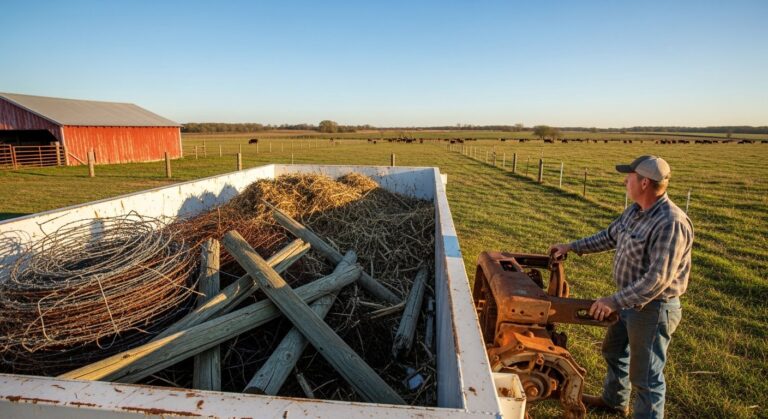
Managing farm waste is a year-round challenge for agricultural operations across Arkansas. From poultry litter and crop debris to old fencing and chemical containers, the volume of refuse generated on a working farm can quickly overwhelm standard disposal methods. Many farmers find themselves spending valuable time hauling waste to distant facilities or dealing with the environmental risks of improper storage. That is where a dedicated Arkansas dumpster rental for farm waste disposal becomes a practical, cost-effective solution that keeps your land clean and your operation running smoothly.
Arkansas agriculture is diverse, spanning row crops like rice and soybeans in the Delta, cattle ranches in the Ozarks, and timber production in the southern forests. Each type of farming produces unique waste streams, and regulations around disposal vary by material. A professional dumpster rental service understands these nuances and can help you choose the right container size, rental period, and waste acceptance guidelines. Whether you are cleaning out a barn, clearing brush from a pasture, or disposing of outdated equipment, the right rental partner simplifies the process so you can focus on your core business.
Why Farm Waste Disposal Requires Specialized Dumpster Solutions
Farm waste is not the same as household trash or construction debris. It often includes organic matter that decomposes quickly, heavy materials like scrap metal and concrete, and potentially hazardous items such as pesticide containers or used motor oil. A general-purpose dumpster might not be suitable for these materials, and some waste types require special handling or separation. Therefore, working with a provider that offers flexible waste acceptance policies is critical for Arkansas farmers.
Additionally, farm waste can be seasonal. Harvest time brings crop residues, pruning waste from orchards, and spoiled produce. Spring calving season generates manure and bedding materials that need prompt removal. A rental service that allows you to adjust your pickup schedule or extend your rental period during peak times adds significant value. Many Arkansas dumpster rental companies offer month-to-month or even seasonal contracts that align with your agricultural calendar.
Another consideration is the location of the dumpster on your property. Farms often have limited paved areas, and heavy containers can sink into soft ground or damage turf. Reputable rental providers will help you select a placement spot that is accessible for their delivery truck yet convenient for your daily use. They may also offer low-profile roll-off boxes that are easier to load with heavy or bulky items.
Common Types of Farm Waste and How to Dispose of Them
Understanding what you can and cannot put in a rental dumpster is essential to avoid extra fees or rejected loads. Here are the most common farm waste categories and typical disposal guidelines:
- Organic waste: Manure, crop stalks, spoiled hay, and food scraps. Many dumpster services accept these if they are bagged or contained to minimize odor and pests. Some companies offer compostable waste collection separately.
- Construction and demolition debris: Old fencing lumber, wire, concrete troughs, and metal roofing. These materials are generally accepted but may require a heavier-duty dumpster due to weight.
- Hazardous materials: Pesticide containers (triple-rinsed), used oil filters, and batteries. These often require special arrangements or drop-off at a designated facility. Always check with your rental provider before placing hazardous items in the dumpster.
- Large equipment and metal: Discarded machinery parts, scrap iron, and steel beams. Many companies accept these but may charge by weight or require pre-approval for extremely heavy loads.
Once you identify your primary waste types, you can select a dumpster size that accommodates both the volume and weight. For example, a 10-yard container is ideal for light organic debris, while a 30-yard or 40-yard box is better for heavy metal and concrete. Your rental company can advise on the best option based on your specific needs.
Choosing the Right Dumpster Size for Your Arkansas Farm
Selecting the correct dumpster size is one of the most important decisions you will make. An undersized container means multiple hauls and higher overall costs. An oversized container wastes money on unused capacity and may be difficult to place in tight farm lanes. Most Arkansas dumpster rental companies offer sizes ranging from 10 to 40 cubic yards, with 20-yard being the most common for general farm cleanups.
A 10-yard dumpster works well for small projects like cleaning out a single chicken house or removing brush from a one-acre lot. It holds about 3 to 4 pickup truck loads of waste. A 20-yard container is suitable for medium-sized tasks such as demolishing a small barn or clearing debris from a hayfield. It holds roughly 6 to 8 truckloads. For large operations like renovating a feedlot or disposing of storm-damaged timber, a 30-yard or 40-yard dumpster provides the capacity you need without frequent pickups.
Weight is another critical factor. Organic waste is light but bulky, while concrete and metal are dense and heavy. Overloading a dumpster can result in overweight fees or safety hazards during transport. Be honest with your rental provider about the materials you plan to dispose of so they can recommend a container with the appropriate weight limit. Some companies offer heavy-duty roll-off boxes with reinforced floors for high-density loads.
Regulatory Considerations for Farm Waste in Arkansas
Arkansas has specific regulations governing agricultural waste disposal, particularly regarding animal manure, pesticides, and solid waste. The Arkansas Department of Agriculture and the Arkansas Department of Energy and Environment oversee these rules. For example, poultry litter must be managed to prevent nutrient runoff into waterways. Open burning of crop residues is restricted in many counties. Using a licensed dumpster rental service ensures that your waste is transported to permitted facilities that comply with state and federal laws.
If your farm generates hazardous waste such as unused pesticides, herbicides, or solvents, you cannot simply toss them in a regular dumpster. These materials require special handling and disposal through a hazardous waste program. Your dumpster rental company can connect you with certified disposal partners or advise you on local collection events. Many Arkansas counties host household hazardous waste days that accept agricultural chemicals from small farms.
It is also worth noting that some municipalities have ordinances regulating the placement of dumpsters on residential or agricultural properties. If your farm is located within city limits or near a subdivision, you may need a permit for a roll-off container. Your rental provider can usually handle the permitting process on your behalf, saving you time and potential fines.
Cost Factors for Arkansas Dumpster Rental for Farm Waste Disposal
The cost of renting a dumpster for farm waste in Arkansas depends on several variables: dumpster size, rental duration, waste type, and location. On average, a 20-yard dumpster rental costs between $350 and $600 for a week, with additional fees for extra days or overweight loads. In our guide on Arkansas dumpster rental cost 2026 price guide, we explain how to budget for your project and avoid surprise charges.
Rural locations may incur a delivery fee if the farm is far from the rental company’s depot. However, many providers serve the entire state, from Fayetteville to Jonesboro and everywhere in between. Some companies offer discounts for long-term rentals or repeat customers, which is common for farms that need regular service.
To get the best value, request quotes from at least three providers and ask for a detailed breakdown of fees. Inquire about weight limits, landfill charges, and any surcharges for specific materials like tires or mattresses. Transparent pricing helps you compare apples to apples and choose the most cost-effective option.
Step-by-Step Guide to Renting a Dumpster for Your Farm
Renting a dumpster for farm waste disposal is straightforward if you follow these steps:
- Assess your waste volume and type: Walk the areas you plan to clean and estimate how many truckloads of debris you have. Separate hazardous items from general waste.
- Choose a dumpster size: Use the guidelines above to select a container that fits your volume and weight. When in doubt, size up slightly to avoid overflow.
- Contact multiple rental companies: Ask about availability, delivery fees, rental periods, and waste acceptance policies. Mention that you are a farm so they can recommend appropriate options.
- Schedule delivery and placement: Provide clear directions to your farm and designate a level, accessible spot for the dumpster. Ensure the area is free of low-hanging wires or branches.
- Load the dumpster efficiently: Break down large items, distribute weight evenly, and do not fill the container above the fill line. Keep hazardous materials separate as agreed.
- Request pickup: Call the rental company when you are finished or when the dumpster is full. They will haul it away and process the waste at a permitted facility.
Following this process minimizes delays and ensures that your waste is handled responsibly. Most rental companies offer flexible scheduling, so you can adjust pickup dates if your cleanup takes longer than expected.
Environmental Benefits of Proper Farm Waste Disposal
Beyond convenience, using a professional Arkansas dumpster rental for farm waste disposal supports environmental stewardship. Proper disposal prevents pollutants from entering waterways, reduces greenhouse gas emissions from open burning, and promotes recycling of materials like metal and concrete. Many rental companies partner with recycling facilities to divert waste from landfills. For example, scrap metal from old equipment can be melted down and reused, while clean wood can be chipped for mulch or biomass energy.
Organic waste, if disposed of correctly, can be composted or used for anaerobic digestion to generate renewable energy. By choosing a rental provider that prioritizes sustainable practices, you contribute to a circular economy that benefits Arkansas agriculture and the broader community. Additionally, keeping your farm free of debris reduces pest habitats and fire risks, creating a safer environment for livestock and workers.
Some rental companies even offer specialized dumpsters for recyclable materials, allowing you to separate metals, cardboard, and plastics on-site. This can lower your disposal costs because recyclable materials often have lower tipping fees. Ask about recycling programs when you book your rental.
Managing farm waste effectively is an ongoing responsibility that does not have to be a burden. With the right Arkansas dumpster rental for farm waste disposal, you can maintain a clean, compliant operation while saving time and money. Whether you are tackling a one-time cleanup or need recurring service, partnering with a knowledgeable provider makes all the difference. Start by contacting local dumpster rental companies, discuss your specific needs, and take the first step toward a more organized and sustainable farm.