
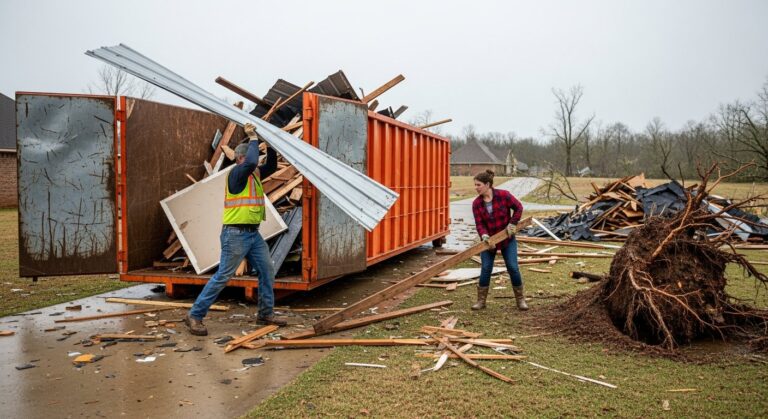
When a severe storm tears through Arkansas, the aftermath often leaves homeowners and business owners staring at a mountain of debris. Fallen trees, shredded roofing, soaked drywall, and scattered household items can overwhelm any property. The first step toward recovery is not just cleanup; it is strategic debris management. This is where a reliable post-storm debris cleanup Arkansas dumpster rental becomes an essential tool for restoring order quickly and safely.
Many people underestimate the volume of waste a single storm can produce. A few downed branches and a damaged fence might seem manageable, but once you start hauling, reality sets in. Piles grow faster than expected, and without a proper disposal plan, debris can sit for weeks, attracting pests and creating safety hazards. Renting a dumpster immediately after a storm streamlines the entire process, allowing you to focus on repairs instead of logistics.
Why Storm Debris Requires Specialized Disposal
Storm debris is not ordinary household trash. It includes mixed materials that demand careful handling. Wet insulation, splintered lumber, broken glass, and metal roofing panels all have different disposal requirements. Mixing them in standard curbside bins is not an option, and many municipal pickup services suspend bulky waste collection after major storms due to high demand.
A dedicated dumpster rental for post-storm cleanup solves this problem by providing a single, large-capacity container that accepts a wide range of debris types. This eliminates the need for multiple trips to the landfill and reduces the physical strain on property owners. Moreover, professional rental services understand local disposal regulations, ensuring that hazardous items like treated lumber or asbestos-containing materials are handled correctly.
Common Types of Storm Debris in Arkansas
Arkansas storms vary by season. Spring brings tornadoes and straight-line winds, while winter can produce ice storms that snap power lines and tree limbs. Understanding what you are dealing with helps you choose the right dumpster size and rental duration. Typical storm debris includes:
- Vegetative debris: fallen trees, branches, leaves, and stumps
- Construction and demolition waste: shingles, siding, drywall, and lumber
- Personal property: furniture, carpet, clothing, and appliances damaged by water or wind
- Mixed household trash: food waste, packaging, and general refuse
Each category may need separate handling. For instance, vegetative debris is often mulched or composted, while construction waste goes to specific recycling facilities. A knowledgeable dumpster provider can advise on segregating materials to maximize recycling and minimize landfill fees.
Choosing the Right Dumpster Size for Storm Cleanup
One of the most common mistakes in storm recovery is renting a dumpster that is too small. When debris piles up, the temptation is to start with a 10-yard container, but a single large tree can fill that in minutes. For most residential storm cleanup projects in Arkansas, a 20-yard or 30-yard dumpster is more appropriate. Commercial properties or multi-unit complexes may require a 40-yard roll-off.
Consider the scope of damage before ordering. If your roof is missing shingles and several trees have fallen, a 30-yard dumpster provides enough capacity to complete the job in one rental period. If you are unsure, most companies offer phone consultations where you can describe the debris volume and receive a recommendation. Overestimating size is better than underestimating, as ordering a second dumpster mid-project causes delays and added expense.
For properties with extensive damage from tornadoes or hurricanes, coordinating cleanup with insurance adjusters is critical. Many policies cover debris removal costs, but you need documented receipts. A dumpster rental invoice serves as proof of expense, helping you maximize your claim. In our guide on farm waste disposal with Arkansas dumpster rental, we discuss how proper documentation supports reimbursement for large-scale waste removal projects.
Safety Considerations During Post-Storm Cleanup
Storm cleanup is dangerous work. Hidden nails, broken glass, and unstable structures pose serious risks. Before loading debris into a dumpster, take time to assess the site. Wear heavy-duty gloves, steel-toed boots, and eye protection. Do not attempt to lift heavy objects alone; use equipment like wheelbarrows or hire professional labor if needed.
Another safety concern is the weight of debris. Wet materials like soaked drywall and saturated wood are significantly heavier than dry versions. Overloading a dumpster can make it unsafe to transport and may result in additional fees from the rental company. Follow the fill line marked on the container, and do not stack debris higher than the side walls.
Finally, keep children and pets away from the cleanup area. Dumpsters attract curiosity, and climbing on or inside them can lead to injury. Establish a clear perimeter and communicate with neighbors about your cleanup schedule.
How Dumpster Rental Streamlines Insurance Claims
After a storm, filing an insurance claim is often the first priority. Insurance companies require detailed documentation of damage and expenses. A dumpster rental provides a clear paper trail. The rental agreement, delivery receipt, and pickup confirmation all serve as evidence of cleanup costs.
Additionally, having a dumpster on-site allows you to separate salvageable items from debris. As you sort through damaged belongings, you can stage items for the adjuster to inspect before tossing them. This organized approach speeds up the claims process and reduces the likelihood of disputes. Many Arkansas residents find that renting a dumpster immediately after a storm helps them stay ahead of deadlines set by their insurance policies.
Working with Local Waste Management Facilities
Arkansas has specific rules about what can go into landfills. For example, electronic waste, tires, and certain chemicals require special handling. A reputable dumpster rental company partners with local transfer stations and recycling centers to ensure compliance. When you rent from a provider familiar with Arkansas regulations, you avoid the risk of fines or rejected loads.
Some facilities also offer discounted rates for sorted debris. If you separate metal, concrete, and clean wood, you may pay lower disposal fees. Ask your rental company if they offer roll-off containers specifically for recyclable materials. This eco-friendly approach reduces your environmental footprint and may lower your overall cleanup costs.
Step-by-Step Guide to Renting a Dumpster After a Storm
Navigating the rental process during a chaotic time can feel overwhelming. Breaking it into simple steps helps you stay organized. Follow this sequence to secure a dumpster quickly and efficiently:
- Assess the damage and estimate debris volume. Walk your property and take photos of all affected areas.
- Contact your insurance provider to confirm coverage for debris removal. Ask about any preferred vendors or documentation requirements.
- Research local dumpster rental companies that offer emergency services. Look for providers with experience in disaster recovery.
- Choose a dumpster size based on your debris estimate and the company’s recommendation. Reserve the container for a minimum of 7 to 10 days.
- Prepare the drop-off location. Clear a space at least 60 feet long and 10 feet wide, with no overhead obstructions like power lines.
- Begin loading debris, starting with the heaviest items at the bottom. Keep the load level and do not exceed the fill line.
- Schedule pickup once cleanup is complete. Confirm that the rental company will handle disposal in compliance with local regulations.
Each step reduces stress and prevents costly mistakes. By planning ahead, you can complete cleanup in days rather than weeks.
Environmental Benefits of Proper Debris Disposal
Storm debris does not have to end up in a landfill. Many materials can be recycled or repurposed. Metal roofing, aluminum siding, and copper wiring are valuable commodities that scrap yards will accept. Clean lumber can be chipped into mulch for landscaping or used as biomass fuel. Even concrete and asphalt can be crushed and reused as road base.
When you rent a dumpster from a company committed to sustainability, you contribute to these efforts. Ask your provider about their recycling partnerships. Some companies sort debris at their facility before sending materials to appropriate processors. This reduces the burden on Arkansas landfills and conserves natural resources.
Homeowners can also take small steps. For example, if you have large branches and tree trunks, consider keeping some for firewood or habitat piles for wildlife. Every piece of debris diverted from the waste stream makes a difference.
Timing Your Rental for Maximum Efficiency
After a widespread storm, dumpster rental companies experience a surge in demand. Booking early is critical. As soon as the storm passes and it is safe to go outside, call several providers to check availability. Some companies offer priority service for customers who have reserved ahead of time, but walk-in orders may face delays of several days.
If you are part of a homeowners association or neighborhood group, coordinating a community cleanup can secure better rates. Many rental companies offer discounts for multiple dumpsters delivered to the same area. This collective approach also speeds up recovery for everyone, as debris removal trucks can service multiple properties in a single trip.
Keep in mind that weather conditions can affect delivery. If roads are blocked or power lines are down, the rental company may need to reschedule. Maintain open communication with the provider and have a backup plan, such as a secondary drop-off location if your driveway is inaccessible.
Post-storm recovery is a marathon, not a sprint. The right dumpster rental simplifies the heavy lifting, giving you more time to focus on repairs, insurance paperwork, and rebuilding your property. With careful planning and a reliable partner, you can turn a chaotic cleanup into a manageable project.