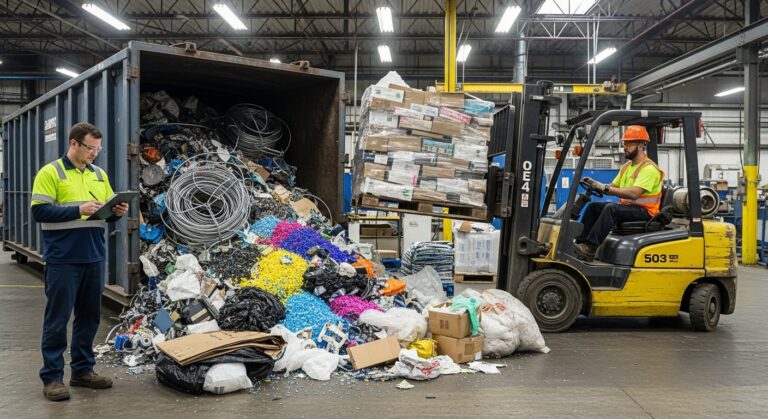
Manufacturing facilities in Arkansas face unique waste disposal challenges that standard residential or construction dumpster services simply cannot address. From heavy metal scrap and industrial packaging to hazardous material containment and high-volume production waste, the waste stream from a factory floor demands a specialized approach. Enter the commercial dumpster contract: a formal agreement that locks in service levels, pricing, and equipment specifications tailored to the operational rhythms of a manufacturing plant. Without such a contract, facilities often face unpredictable pickup schedules, surprise overage fees, and equipment that fails to handle the weight or volume of industrial refuse. This article explores how Arkansas manufacturing facilities can secure favorable commercial dumpster contracts, what clauses to negotiate, and how to avoid costly pitfalls.
Why Manufacturing Facilities Need Specialized Dumpster Contracts
A manufacturing facility is not a typical commercial property. The waste generated is often heavier, bulkier, and more regulated than office or retail trash. Standard roll-off dumpsters rated for general debris may buckle under the weight of scrap metal or dense plastic regrind. Additionally, production schedules are rarely uniform: a facility may experience waste surges during changeovers or seasonal peaks. A generic month-to-month service agreement leaves the manufacturer exposed to fluctuating rates and unreliable pickup frequency.
Commercial dumpster contracts for Arkansas manufacturing facilities address these variables head-on. They specify equipment type (e.g., 30-yard or 40-yard roll-offs with reinforced floors), pickup frequency (daily, every other day, or weekly depending on shift output), and waste stream restrictions. Contracts also define liability for damage caused by heavy loads and outline procedures for special waste streams like industrial solvents or contaminated packaging. By formalizing these terms, manufacturers gain cost predictability and operational reliability.
Key Clauses to Negotiate in Your Contract
Not all dumpster contracts are created equal. Arkansas manufacturers should scrutinize every clause before signing. Below are the critical areas where negotiation can save thousands of dollars annually.
Pricing Structure and Overage Fees
Most commercial dumpster contracts charge a base monthly rate that includes a set number of pickups and a weight or volume allowance. Manufacturing facilities frequently exceed these allowances, triggering overage fees that can double the monthly invoice. To avoid this, negotiate a higher base allowance that reflects your actual waste output. Ask for a rate sheet that details per-ton overage charges and request a cap on annual price increases. Some providers offer a flat-rate contract inclusive of all pickups and weight for a fixed term, which simplifies budgeting. However, flat-rate contracts often carry a premium, so calculate whether your facility’s waste variability justifies the cost.
Equipment Specifications and Replacement
Standard dumpsters are not built for industrial abuse. Request dumpsters with heavy-duty casters, reinforced sides, and corrosion-resistant coatings if your waste includes moisture or chemicals. The contract should state the equipment’s minimum condition upon delivery and your right to request replacement if the dumpster is damaged or unsanitary. Include a clause that the provider must replace any unit within 48 hours of a damage report. This prevents your facility from overflowing due to a broken container.
Pickup Frequency and Missed Service Penalties
Missed pickups at a manufacturing plant can halt production. Your contract should specify pickup days and a window (e.g., by 10:00 AM) and include a service credit for each missed pickup. Negotiate a penalty of at least 50% of the monthly fee for failures. Also, define the process for requesting additional unscheduled pickups during peak periods. Many providers offer same-day or next-day emergency pickups at a premium rate; agree on that rate in advance so you are not hit with a surprise charge.
Waste Stream Restrictions and Contamination Penalties
Manufacturing facilities often generate waste that is not standard municipal solid waste. Metal shavings, industrial cardboard, plastic film, and even non-hazardous chemical containers may be acceptable, but your contract must explicitly list what is allowed. Hidden contamination penalties are a common profit center for dumpster companies. Ensure the contract defines “contamination” narrowly and requires written notice before any penalty is assessed. If your facility generates hazardous waste, you will need a separate disposal agreement; do not mix hazardous waste into your standard dumpster.
Negotiating Favorable Terms for Arkansas Manufacturers
Arkansas manufacturing facilities have leverage that many business owners do not realize. Local providers compete for long-term contracts, and your facility’s steady volume makes you a desirable client. Use the following strategies to secure better terms:
- Bid out the contract to at least three providers to create competitive pressure. Share the proposed scope of work with each bidder and ask for line-item pricing on base service, overage, and equipment replacement.
- Lock in a multi-year term with a fixed annual escalator (e.g., 3% per year) rather than accepting variable rate increases tied to fuel or disposal index. This gives you budget certainty.
- Negotiate a 30-day termination clause for cause (provider non-performance) but accept a longer term for convenience (e.g., 12 months). This protects you if service deteriorates without locking you in permanently.
- Request a free trial period of 60 to 90 days so you can verify pickup reliability and equipment durability before committing to a long-term deal. Some providers will agree to this for a chance to win your business.
Remember that the cheapest contract is not always the best. A slightly higher monthly rate with generous weight allowances and strong service level agreements often costs less overall than a low base rate with punitive overage fees. Evaluate total cost of ownership over the contract term.
Common Pitfalls in Commercial Dumpster Contracts
Even experienced facility managers can fall into traps hidden in the fine print. Here are three pitfalls specific to Arkansas manufacturing facilities:
Automatic Renewal Clauses. Many contracts renew automatically for another full term unless you provide written notice 60 to 90 days before expiration. If you miss the window, you are locked in for another year or more. Set a calendar reminder 120 days before renewal and renegotiate terms proactively. Some providers will waive the automatic renewal if you ask at signing.
Fuel and Disposal Surcharges. Variable surcharges can make your monthly bill unpredictable. Look for language that allows the provider to pass through fuel cost increases or landfill fee hikes. Negotiate a cap on surcharges (e.g., no more than 5% of the base rate) or insist that all surcharges be included in the fixed monthly fee. If you cannot eliminate them, require 30 days written notice before any surcharge takes effect.
Weight-Based Billing Without Scales. Some providers estimate weight based on volume or truck axle weight, which can overstate your actual tonnage. Insist on certified scale tickets for every pickup and the right to audit those tickets. If your facility has a scale, you can request that the provider weigh your dumpsters on-site to verify accuracy. Overcharges of 10-20% due to estimated weights are not uncommon.
How to Evaluate a Dumpster Provider
Choosing the right provider for your commercial dumpster contract is as important as the contract terms themselves. Start by checking the provider’s track record with industrial clients in Arkansas. Ask for references from manufacturing facilities similar to yours. Visit their local yard to inspect equipment condition and observe their operational readiness. A provider with rusty, dented dumpsters may not maintain their equipment well on your site.
Evaluate their responsiveness by calling their customer service line at different times of day. Ask how they handle emergency pickups and whether they have a dedicated account manager for commercial contracts. Providers that assign a single point of contact tend to resolve issues faster than those with a general dispatch system. Finally, review their safety record and insurance coverage. Your facility’s risk management team will want to see proof of general liability and workers’ compensation insurance before allowing their trucks on site.
Legal and Regulatory Considerations
Arkansas manufacturing facilities must comply with state and federal waste regulations. The Arkansas Department of Energy and Environment (ADEQ) oversees solid waste management, including permitting for industrial waste disposal. Your dumpster provider should hold the necessary permits to transport and dispose of your waste stream. The contract should include a representation that the provider is licensed and will comply with all applicable laws. If your facility generates hazardous waste under RCRA, you cannot place it in a standard commercial dumpster. You will need a separate hazardous waste disposal contract and manifest system.
For facilities that generate large volumes of non-hazardous industrial waste, consider whether your waste qualifies for a beneficial use determination or recycling credit. Some Arkansas manufacturers have negotiated reduced disposal rates by diverting scrap metal, wood pallets, or cardboard to recyclers. Your dumpster contract can include a provision that the provider will separate recyclable streams at no additional cost, which may lower your overall disposal expense.
Sample Contract Term Comparison
When reviewing proposals, create a comparison table with these columns: base monthly rate, included pickups per month, weight allowance per pickup, overage charge per ton, equipment type and condition, missed service penalty, automatic renewal terms, and surcharge caps. Share this with your procurement team and legal counsel. A well-structured comparison reveals which provider offers true value versus one that relies on low base rates and hidden fees.
Long-Term Partnership Benefits
A commercial dumpster contract is not just a service agreement; it is a partnership that can evolve with your facility’s needs. Over time, your waste profile may change due to new production lines, process improvements, or sustainability goals. A good provider will work with you to adjust container sizes, pickup frequency, and recycling programs. For example, if you install a baler for cardboard, you may reduce dumpster volume and lower your monthly cost. The flexibility to modify your contract without penalty should be a priority during negotiations.
Some Arkansas manufacturers have saved 15-20% on waste disposal by consolidating their dumpster contract with a single provider across multiple facilities. If your company operates plants in different parts of the state, ask about multi-site discounts. Providers that service the entire Arkansas region often offer volume pricing that individual plants cannot obtain alone.
For a deeper look at how long-term agreements can stabilize your waste management budget, see our guide on long-term commercial dumpster contracts Arkansas businesses need. This resource covers additional strategies for negotiating favorable terms and avoiding common renewal traps.
Final Thoughts on Securing the Right Contract
Commercial dumpster contracts for Arkansas manufacturing facilities require careful planning, negotiation, and ongoing oversight. By understanding your waste profile, negotiating key clauses, and selecting a provider with industrial experience, you can transform waste management from a cost center into a predictable operational expense. Review your contract annually, track service performance, and do not hesitate to renegotiate when your facility’s needs change. A well-managed dumpster contract protects your bottom line and keeps production running smoothly.