
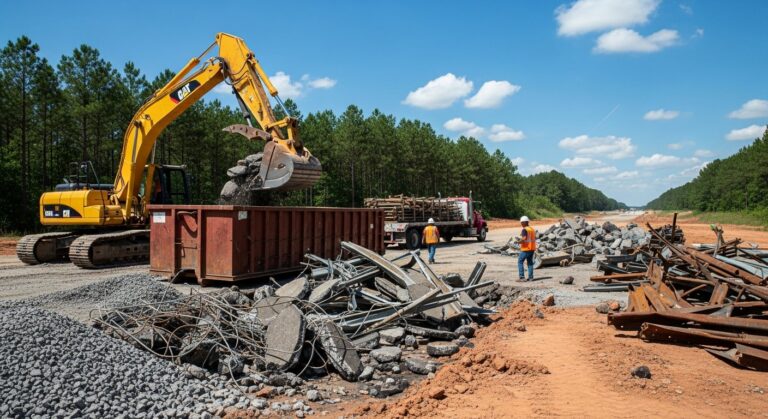
Infrastructure projects in Arkansas, from road expansions to bridge repairs and utility upgrades, generate enormous volumes of debris and discarded materials. Without a structured waste management plan, these projects face cost overruns, regulatory penalties, and environmental harm. Smart contractors and project managers are now treating waste not as an afterthought but as a critical component of project planning. This article explores how to handle infrastructure project waste management in Arkansas effectively, covering waste streams, regulations, practical strategies, and the essential role of dumpster rentals.
Understanding Infrastructure Project Waste in Arkansas
Infrastructure work differs from typical construction because of its scale, duration, and material diversity. A single highway widening project can produce thousands of tons of asphalt, concrete, soil, and metal. In Arkansas, where infrastructure spending is growing through state and federal programs, managing this waste efficiently is both an economic and environmental necessity. The key is to view waste as a resource to be recovered, not just a cost to be buried.
Many contractors underestimate the volume of waste generated during early phases. Demolition of old structures, excavation of contaminated soil, and removal of outdated utilities all contribute to the pile. By forecasting these streams before breaking ground, project teams can allocate budget, choose disposal partners, and schedule hauls in a way that avoids delays.
Key Waste Streams from Infrastructure Projects
Infrastructure waste falls into several categories, each with unique handling requirements. Understanding them helps in selecting the right disposal and recycling methods.
The most common materials include:
- Concrete and asphalt: Typically recyclable into aggregate for new road base or fill.
- Metals: Steel rebar, copper wiring, and aluminum fixtures have high scrap value.
- Soil and rock: Clean fill can be reused on site or at other projects; contaminated soil requires special handling.
- Wood and vegetation: Tree stumps, pallets, and formwork can be chipped for mulch or sent to biomass facilities.
- Hazardous materials: Paints, solvents, asbestos, and lead-based coatings demand certified removal and disposal.
Each stream affects logistics. Concrete and asphalt are heavy, requiring sturdy dumpsters and frequent pickups. Metals are profitable but must be separated to maximize returns. Hazardous waste adds regulatory paperwork and specialized contractors. Sorting at the source, rather than at a landfill, saves time and money.
Regulatory Landscape for Arkansas Construction Waste
Arkansas follows both federal EPA guidelines and state-specific rules under the Arkansas Department of Energy and Environment (DEQ). For infrastructure projects, the most relevant regulations involve stormwater runoff, landfill bans on certain materials, and proper management of hazardous waste. For example, Arkansas bans the disposal of whole tires, lead-acid batteries, and certain electronic waste in landfills. Contractors must also comply with the Clean Water Act when stockpiling materials near waterways.
Another critical area is asbestos abatement. Many older infrastructure elements, such as water pipes and building foundations, contain asbestos. The Arkansas DEQ requires licensed contractors to handle removal and transport to approved facilities. Violations can lead to fines, project shutdowns, and liability claims. A proactive waste plan includes early asbestos surveys and coordination with certified haulers.
Permitting for temporary waste storage also varies by county and city. In larger metro areas like Little Rock or Fayetteville, roll-off dumpsters on public rights-of-way may require a permit. Work with a local dumpster rental provider that understands these local nuances to avoid surprises.
Strategies for Efficient Waste Management on Site
Efficiency starts before the first shovel hits the ground. Develop a waste management plan (SWMP) that identifies material volumes, recycling targets, and disposal routes. This plan should be part of the project bid package to demonstrate cost control and environmental responsibility.
On site, implement a color-coded bin system for different materials. For example, one dumpster for concrete and asphalt, another for metals, and a third for mixed debris. Labeling and training workers reduces contamination. Periodic audits ensure that recyclables are not ending up in landfill containers.
Partnering with a single waste provider that offers multiple container sizes and flexible schedules simplifies coordination. In our guide on event waste management dumpster rental Arkansas guide, we explain how similar principles apply to managing large-scale waste generation with tailored container solutions. For infrastructure sites, having a dedicated account manager who can adjust pickup frequency based on weather or production spikes is invaluable.
Another key strategy is deconstruction over demolition when feasible. Carefully dismantling structures preserves materials for reuse, such as brick, timber, and fixtures. While slower, deconstruction reduces disposal costs and can generate tax benefits through material donations.
On-Site Recycling and Crushing
For large concrete and asphalt volumes, mobile crushing units can process material on site and reuse it as base course for the same project. This eliminates hauling costs and reduces truck traffic on local roads. In Arkansas, several providers offer portable crushers and screening equipment. The cost of mobilization is offset by savings in transport and landfill fees, especially for projects generating over 5,000 tons of concrete.
The Role of Dumpster Rentals in Infrastructure Projects
Dumpster rentals are the backbone of on-site waste management for infrastructure projects in Arkansas. Unlike residential or small commercial jobs, infrastructure sites need industrial-grade roll-off containers that can handle heavy materials like concrete, steel, and asphalt. A single project may require a fleet of 20-yard, 30-yard, and 40-yard dumpsters strategically placed near demolition or excavation zones.
Choosing the right dumpster size and type matters. Open-top roll-offs work well for mixed debris and metal, while enclosed containers are better for manageable waste that needs odor or weather protection. Flat-bottom roll-offs are ideal for brick, block, and heavy aggregates. Many rental companies in Arkansas offer same-day delivery and pickup, crucial when a project schedule is tight.
Beyond containers, professional dumpster services provide weight documentation and recycling certifications, which are essential for meeting LEED or local green-building requirements. Some providers also offer on-site sorting assistance and consolidated billing for multiple waste streams. This turns waste management from a hassle into a streamlined process.
Best Practices for Recycling and Recovery
Infrastructure waste has high recycling potential if properly managed. The following practices can push recycling rates above 80 percent on many projects:
- Conduct a pre-project material audit to identify what can be recycled or reused.
- Set up dedicated containers for each major recyclable category (concrete, metal, wood).
- Train crew on proper separation techniques and post clear signage.
- Work with end-market processors that accept Arkansas materials, such as concrete crushers or metal scrap yards.
- Track and report diversion rates to stakeholders and regulators.
A real-world example: a bridge replacement project in Northwest Arkansas recycled 95 percent of its concrete and steel, saving over $200,000 in disposal fees. The crushed concrete was used as riprap for erosion control on the same watershed. Such closed-loop systems are increasingly common as landfill tipping fees rise and haul distances grow.
For non-recyclable waste, consider waste-to-energy options if available. While Arkansas has limited facilities, some waste from infrastructure projects can be incinerated for energy at approved plants. This reduces landfill volume and lowers long-term environmental liability.
Planning for Success: A Step-by-Step Approach
Implementing a waste management system for an Arkansas infrastructure project can be broken down into clear steps:
First, estimate waste volumes by reviewing project plans and past similar projects. Next, identify local recycling facilities and landfills that accept each material type. Then, select a dumpster rental company with experience in infrastructure, ensuring they offer the right container sizes, flexible scheduling, and clear pricing. After that, create a waste management plan that includes sorting procedures, safety protocols, and accountability measures. Finally, monitor progress weekly and adjust container placement or frequency based on actual generation rates.
One common mistake is under-ordering dumpsters at peak production phases. During demolition, waste can accumulate rapidly. Having a backup container on standby or a signed order for extra pickups avoids costly downtime. Also, factor in weather delays: rain can double the weight of soil and wood, requiring heavier-duty containers or more frequent service.
Cost tracking is another vital element. Maintain a simple spreadsheet with each container’s invoice, weight ticket, and disposal destination. This data helps refine future bids and proves compliance during audits. Many Arkansas contractors now use mobile apps from their dumpster provider to track hauls in real time.
Working with Local Providers
Local dumpster rental companies in Arkansas understand the terrain, regulations, and disposal options better than national chains. They can recommend the most cost-effective landfills and recycling facilities, often passing savings to the customer. They also have relationships with county permitting offices, speeding up approvals for containers on public roads. For infrastructure projects spanning multiple counties, choose a provider with a wide service area and a fleet of heavy-duty trucks capable of navigating uneven construction sites.
Efficient infrastructure project waste management in Arkansas is not just about compliance. It is a competitive advantage. Lower disposal costs improve profit margins, and high recycling rates strengthen bids for green-certified projects. As Arkansas invests billions in roads, bridges, water systems, and broadband, contractors who master waste management will lead the industry. Start with a solid plan, partner with experienced dumpster services, and treat every ton of material as a resource waiting to be recovered.