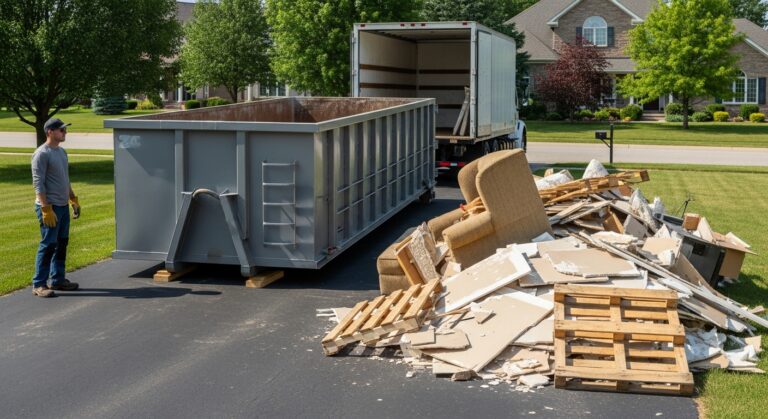
That pile of debris, old furniture, or construction waste in your driveway isn’t just an eyesore; it’s a logistical puzzle. Tackling a major cleanup, renovation, or estate clearing project raises a critical question: what’s the most efficient way to handle the volume? For many, the answer lies in renting a dumpster. This isn’t a one-size-fits-all solution, however. The world of junk removal dumpsters, often called roll-off dumpsters or construction dumpsters, is filled with options, rules, and considerations that can make or break your project’s budget and timeline. Selecting the correct container isn’t merely about size; it’s about understanding weight limits, prohibited items, rental terms, and placement logistics to ensure a smooth, cost-effective cleanout from start to finish.
Understanding the Types and Sizes of Roll-Off Dumpsters
The term “dumpster” often brings to mind the standard metal bins behind commercial buildings, but junk removal for large projects typically involves roll-off containers. These are the large, open-top dumpsters delivered and picked up by a specialized truck. They are designed to be placed on your property—like a driveway, yard, or even on the street with a permit—for a set rental period. The first and most crucial decision is selecting the right size. Choosing a container that’s too small will mean paying for a second haul or a second rental. Opting for one that’s too large is a waste of money and takes up unnecessary space.
Sizes are measured in cubic yards, which refers to the volume of material the dumpster can hold. Common residential and light commercial sizes include the 10-yard, 20-yard, 30-yard, and 40-yard dumpsters. To visualize, a 20-yard dumpster is roughly the size of a standard pickup truck bed multiplied by ten, and it can hold about 6-8 truckloads of junk. The right choice depends entirely on your project’s scope and the type of materials you’re disposing of. Bulky, low-density items like empty boxes or old furniture take up more space (volume) but less weight, while dense materials like concrete, dirt, or roofing shingles are heavier and can hit weight limits long before the dumpster is full.
Here is a general guide to help you match common projects with dumpster sizes:
- 10-Yard Dumpster: Ideal for small garage or basement cleanouts, minor bathroom remodels, or small landscaping projects. It’s about the size of two small pickup truck beds.
- 20-Yard Dumpster: The most popular size for medium-sized projects. Perfect for a full kitchen remodel, a large estate cleanout, a major yard cleanup, or removing flooring from an entire house.
- 30-Yard Dumpster: Suited for large-scale projects like whole-home renovations, new construction cleanups, or significant roofing jobs. It can handle the debris from tearing down multiple interior walls.
- 40-Yard Dumpster: The largest standard option, designed for major construction, commercial projects, or clearing out an entire property. It is commonly used for new home construction, large commercial tenant cleanouts, or demolition of large sheds.
Critical Rules and Restrictions for Dumpster Rentals
Renting a dumpster is not a license to dispose of anything and everything. Providers have strict rules, primarily for safety, environmental, and legal reasons. Ignoring these can lead to significant extra fees, refusal of pickup, or even legal liability. The most universal rule concerns weight limits. Your rental agreement includes a tonnage allowance (e.g., 2 tons for a 20-yard dumpster). Exceeding this limit results in overage charges, which can be substantial per additional ton. Heavy materials like concrete, bricks, dirt, and asphalt will hit these limits quickly; always discuss the nature of your debris with the rental company to get an accurate quote and recommendation.
Perhaps even more important is the list of prohibited items. These are materials that cannot be placed in a standard junk removal dumpster due to environmental hazards or special handling requirements. Common prohibited items include hazardous waste (paint, chemicals, solvents, batteries, oil), tires, appliances containing refrigerants (like freezers and air conditioners), electronics (TVs, computers), and medical waste. Some companies may offer to handle certain items like electronics or appliances for an additional fee, but they must be informed in advance. Attempting to hide these items can result in fines for both you and the disposal company.
Another key logistical consideration is placement. You are responsible for providing a safe, accessible, and legal location for the dumpster. It needs to be on a firm, level surface like asphalt, concrete, or compacted dirt—never on grass or a soft lawn, as the weight can cause severe damage. The delivery truck needs clear overhead access (no low-hanging wires or branches) and enough space to maneuver the container off its roll-off bed. If you plan to place the dumpster on a public street or sidewalk, you will almost certainly need a permit from your local city or municipality. The rental company can often guide you on this process, but securing and paying for the permit is typically the renter’s responsibility.
Planning Your Rental for Maximum Efficiency and Cost Savings
A successful dumpster rental experience hinges on careful planning. Start by getting quotes from at least two or three reputable local providers. The cheapest quote isn’t always the best; ensure it includes all potential fees like delivery, pickup, rental period, weight allowance, and taxes. Be transparent about what you’re throwing away. Ask about the rental period—typically 7 to 10 days—and what the fees are for extending it. Clarify what happens if you exceed the weight limit. This upfront clarity is the best defense against surprise bills.
Once the dumpster is delivered, load it strategically to maximize space and stay within limits. Break down large items whenever possible. Flatten cardboard boxes, dismantle old furniture frames, and cut down long pieces of lumber. Distribute weight evenly by placing heavier, denser materials at the bottom and lighter, bulkier items on top. Do not overload the dumpster above its rim; the truck cannot legally transport an overfilled container, and you will be asked to remove excess debris, causing delays. Keep the dumpster covered with a tarp if rain is expected, as water adds significant weight and can lead to overage charges.
Finally, think about the end of your project. Schedule the pickup in advance once you are confident you are finished. Many companies require a call or online notice for removal. Before pickup, do a final check to ensure no prohibited items have accidentally been included. Once the dumpster is gone, inspect the placement area for any minor damage like scrapes or indentations, which are sometimes unavoidable but should be minimal if the surface was suitable. By treating the dumpster as a tool in your project plan, rather than an afterthought, you transform a potential headache into the most efficient part of your cleanout.
A junk removal dumpster is more than just a big metal box; it’s a strategic asset for managing large volumes of waste. By carefully selecting the right size, respecting critical rules on weight and prohibited items, and planning your rental logistics with precision, you can ensure your project stays on schedule and on budget. The right container turns an overwhelming pile of debris into a manageable task, providing the clean slate you need to move forward with your renovation, move, or restoration project.