
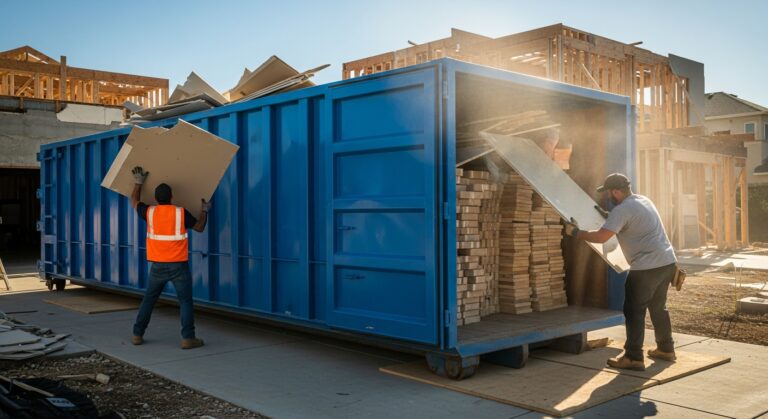
Every successful construction or renovation project, from a kitchen remodel to a full-scale commercial build, shares a silent, unsung partner: the construction debris container. Often overlooked until the last minute, this simple box is a cornerstone of site safety, workflow efficiency, and cost control. Selecting the right container isn’t just about ordering a dumpster; it’s a strategic decision that protects your property, keeps your crew productive, and ensures your debris is handled legally and responsibly. A mismatch in size, type, or placement can lead to costly overage fees, dangerous worksite conditions, and frustrating project delays. This guide will navigate the critical factors in choosing and managing a construction debris container, transforming it from an afterthought into a powerful tool for project success.
Understanding Your Container Options
The term “construction debris container” encompasses a variety of roll-off dumpsters and specialized bins designed for different types of waste and site conditions. The most common type is the standard roll-off dumpster, an open-top container delivered and picked up by a specialized truck. However, not all roll-offs are created equal. For projects generating heavy, dense material like concrete, brick, or dirt, a low-profile container with reinforced gates is essential. For standard demolition debris, drywall, and framing lumber, a standard-walled container is perfectly suitable. Beyond the basic dumpster, consider alternatives like covered containers for weather-sensitive sites or materials you wish to keep dry, or smaller, more maneuverable debris boxes for tight urban spaces or interior demolition work where a large dumpster cannot be placed.
Choosing between these options hinges on a clear understanding of your project’s waste profile. A roofing job will generate light but bulky waste, requiring a larger volume capacity. A concrete patio removal creates extremely heavy, compact waste, demanding a container built for weight, not just cubic yards. Misjudging this can be expensive; overweight fees are a common surprise bill. Furthermore, local municipal regulations often dictate the type of container allowed, especially in residential areas or on public streets, where covered containers may be required to prevent wind-blown debris. Engaging with your waste hauler early about the nature of your debris ensures you get the right equipment for the job from day one.
Determining the Correct Size and Capacity
Arguably the most critical step is selecting the appropriate container size. Construction debris containers are measured in cubic yards, typically ranging from 10-yard bins for small cleanouts to 40-yard dumpsters for major demolition. The consequences of guessing are almost always negative. A container that’s too small will require multiple hauls, doubling or tripling your rental and disposal costs. A container that’s too large wastes money on unused capacity and consumes valuable real estate on your worksite, potentially creating access or safety issues.
To make an accurate estimation, first categorize your debris. Heavy materials like concrete, dirt, and asphalt are measured by weight, limiting how much you can put in a container before hitting weight limits. Lighter, bulkier materials like wood, drywall, and packaging are measured by volume, filling the space quickly. A reliable method is to consult a debris estimation guide provided by most reputable waste companies, which offers approximate volumes for common project types. For example, a typical kitchen remodel might generate 10-15 cubic yards of waste, while a full house interior demolition could require a 30-yard container. When in doubt, it is almost always more cost-effective to discuss your project scope with a waste management specialist and consider sizing up slightly to avoid overage charges, which can be substantial.
Avoiding Common Placement and Permit Pitfalls
Where you place your construction debris container is as important as which one you choose. Improper placement can damage your property, violate local ordinances, and disrupt traffic. For driveway placement, use plywood or wooden planks under the container’s supports to distribute the weight and prevent cracking or sinking into asphalt. Never place a container on soft ground, uneven surfaces, or over underground utilities, septic tanks, or drainage fields. The delivery truck requires a clear, firm path and adequate overhead clearance from wires and tree limbs.
For placement on a public street, sidewalk, or right-of-way, a permit is almost always required. The permitting process is handled by your local city or municipality, not the waste company, though many haulers will assist with the application. Failure to secure a permit can result in fines, the container being tagged for removal, and project delays. Permit requirements, costs, and duration vary widely, so this research must be part of your pre-project planning. Key factors the city will consider include the duration of placement, location, container size, and traffic safety measures like reflective tape or safety cones, which you are typically responsible for providing.
What You Can and Cannot Dispose Of
Understanding the rules of what goes into your construction debris container is non-negotiable for legal, safety, and environmental reasons. Standard containers are designed for construction and demolition (C&D) debris. Acceptable materials generally include wood, drywall, metal, concrete, asphalt, roofing shingles, and non-contaminated soil. However, a strict set of prohibited items exists, and violating these rules can lead to rejected loads, hefty fines, and even legal liability.
Hazardous materials are never allowed in a standard construction debris container. This category includes paints, solvents, chemicals, adhesives, batteries, and fluorescent light bulbs. Appliances like refrigerators and air conditioners often require special handling due to refrigerants. Electronics (e-waste) and tires are also universally banned. Perhaps the most common mistake is including everyday household trash or green waste from yard cleanup. These items must be disposed of through your regular municipal waste services. Mixing prohibited items contaminates the entire load, forcing the hauler to divert it to a more expensive, specialized landfill. To ensure compliance, provide your crew with a clear list of acceptable and prohibited materials before work begins.
For a quick reference, here are common items that are typically prohibited in a standard construction debris container:
- Hazardous chemicals, paints, solvents, and oils
- Appliances containing refrigerants (refrigerators, AC units)
- Electronics, batteries, and light bulbs
- Tires, automotive parts, and fluids
- Regular household garbage and recyclables
- Medical waste or biological materials
Maximizing Value and Managing Costs
Renting a construction debris container involves several cost components: a delivery/pick-up fee, a rental fee (often charged weekly), a tonnage or weight fee for disposal, and potential overage charges. To manage these costs effectively, start by getting detailed, all-inclusive quotes from multiple reputable providers. Ensure the quote clearly states the rental period, included weight allowance (tons), and the cost per additional ton if you exceed it. Be wary of seemingly low prices that may hide high overage rates.
You can maximize the value of your container through efficient loading. Break down large items like furniture and dimensional lumber to create more space. Distribute debris evenly throughout the container to avoid creating unbalanced, heavy pockets. Never load the container above its rim; this is a safety hazard during transport and will result in an overfill fee. If your project is phased, coordinate debris generation with your rental period to avoid paying for an idle container. For long-term projects, discuss billing options with your hauler, as some offer flexible schedules. Finally, protect your investment and your site by ensuring the container is securely closed or covered when not in use to prevent unauthorized dumping by others, which you will be financially responsible for.
Ultimately, the right construction debris container is an integral part of your project’s infrastructure. By carefully selecting the type and size, securing proper placement and permits, adhering to disposal rules, and understanding the cost structure, you turn a logistical necessity into a lever for efficiency and budget control. It ensures a cleaner, safer worksite, keeps your project on schedule, and provides the peace of mind that comes with professional, responsible waste management from start to finish.
One Response