Every construction project, from a major commercial build to a simple home renovation, generates a mountain of waste. Managing this waste efficiently isn’t just a matter of cleanliness; it’s a critical component of project safety, timeline, and budget. This is where professional construction dumpster services become indispensable. More than just a large metal box, the right dumpster service is a strategic partner in your project’s success, ensuring debris is contained, removed, and disposed of legally and responsibly. Navigating the options, from sizing and placement to costs and waste types, can be complex. This guide will provide the clarity you need to make an informed decision that keeps your site safe, your project on schedule, and your costs predictable.
Understanding Construction Dumpster Services and Their Types
Construction dumpster services provide temporary, heavy-duty waste containers for the collection and removal of debris generated at a job site. Unlike standard residential trash services, these containers are engineered to handle heavy materials like concrete, roofing shingles, drywall, and wood framing. The service encompasses delivery, placement, a specified rental period, and final pickup and disposal. The key to a successful rental lies in selecting the right type and size of container for your specific project’s needs. This choice directly impacts your operational efficiency and overall cost.
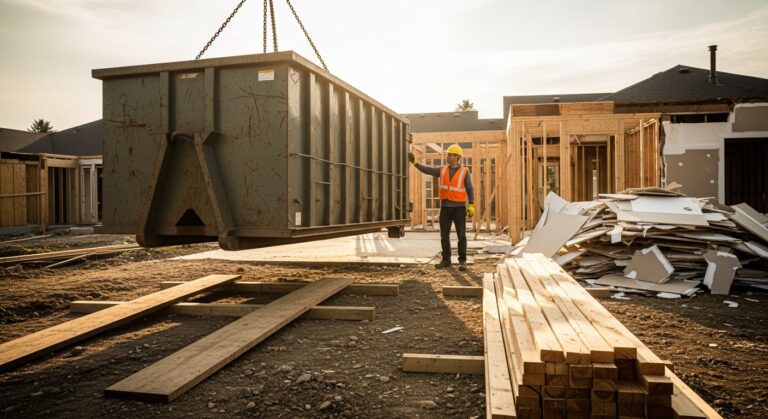
Containers come in several primary types, each suited for different scenarios. The most common is the roll-off dumpster, a large, open-top container delivered on a specialized truck and rolled off its bed onto your site. These are ideal for most demolition, construction, and large-scale renovation work. For projects in tight urban spaces or with strict placement requirements, a smaller, more maneuverable dumpster, sometimes called a mini dumpster or a carting container, may be the solution. Furthermore, specialty containers exist for specific waste streams, such as concrete or asphalt-only dumpsters, which are crucial for keeping recyclable materials separate and reducing disposal fees.
Selecting the Right Dumpster Size for Your Project
Choosing the correct dumpster size is arguably the most critical decision in the rental process. An oversized dumpster wastes money on unused space, while an undersized one leads to the need for additional hauls, disrupting your workflow and inflating costs. Sizes are typically measured in cubic yards, which refers to the volume of material the container can hold. Common sizes range from 10-yard containers for small cleanouts or bathroom remodels to 40-yard containers for full-house demolitions or new construction.
To accurately estimate your needs, consider the scope and nature of your project. A roof replacement, for instance, generates a surprising volume of waste in shingles and underlayment. A full kitchen demolition involves cabinets, countertops, appliances, and flooring. Many reputable dumpster services provide online guides, but a direct conversation with a representative who understands construction waste can be invaluable. Provide them with details: the square footage being demoed, the primary materials involved, and the project type. When in doubt, it’s often more cost-effective to size up slightly rather than risk overfilling, as overage fees or refusal to pick up an overloaded container can be costly.
The Cost Structure of Dumpster Rentals
Understanding the pricing model for construction dumpster services prevents unexpected bills and helps with accurate project budgeting. Costs are rarely a simple flat fee; they are a composite of several factors. The primary component is the rental rate, which typically covers delivery, pickup, a set rental period (often 7-10 days), and a weight allowance for debris. The weight allowance is crucial: it specifies the tonnage of waste included in the base price. Exceeding this allowance results in overage charges per ton, which can vary significantly based on the material type.
Additional fees can apply and should be clarified upfront. These may include charges for extending the rental period beyond the included days, fees for prohibited items (like hazardous materials, tires, or appliances with refrigerants), and potential costs for required permits if the dumpster will be placed on a public street or right-of-way. The type of waste also heavily influences the final disposal cost at the processing facility. Heavy debris like concrete, dirt, or brick is cheaper to dispose of than mixed construction waste, which is cheaper than roofing shingles. A transparent dumpster service will provide a clear, all-inclusive quote that outlines the rental period, weight allowance, and any potential additional fees based on your described waste stream.
Best Practices for Using Your Construction Dumpster
Maximizing the value and efficiency of your dumpster rental involves more than just filling it up. Proper use ensures safety, optimizes space, and maintains compliance with rental terms. First and foremost, load the dumpster evenly. Distribute weight from front to back and side to side to prevent dangerous shifting during transport and to avoid damaging the container or the truck. Break down large items whenever possible; flattening cardboard boxes, dismantling wooden frames, and breaking up drywall into smaller pieces creates more usable space and allows for a denser, more efficient load.
It is absolutely essential to know what you cannot throw away. Prohibited items are not just a suggestion; they are strict rules based on environmental regulations and landfill policies. Commonly banned items include:
- Hazardous Materials: Paint, chemicals, solvents, asbestos, and batteries.
- Electronics and Appliances: Televisions, computers, and refrigerators (due to refrigerants).
- Tires and Automotive Parts.
- Medical Waste or Biological Contaminants.
Disposing of these materials improperly can result in significant fines from your dumpster provider and environmental agencies. Always ask for a list of prohibited items. Furthermore, never overfill the container. Debris should be level with the top of the dumpster walls; material piled above is a safety hazard during transport and is typically not allowed. Following these practices ensures a smooth rental experience and keeps your site professional and safe.
Strategic Considerations for Placement and Logistics
Where you place the dumpster on your site is a logistical decision with practical and sometimes legal implications. The ideal location is flat, solid ground like a driveway or a cleared area of the worksite. This prevents the container from sinking or tipping. You must also ensure there is clear, unobstructed access for the delivery truck, which is much larger than the dumpster itself. Consider overhead obstacles like tree branches, power lines, and roof eaves.
If the only viable spot is on a public street, sidewalk, or other right-of-way, you will almost certainly need a permit from your local city or municipality. The dumpster rental company can often assist with or directly handle the permit process for a fee, but it is your responsibility to confirm it’s in place. Failure to obtain a permit can lead to fines and the forced removal of the container. Additionally, consider the workflow of your project. Placing the dumpster as close as safely possible to the point of debris generation minimizes labor time spent hauling waste, but it must not block access for other trades or emergency exits. A well-planned placement balances convenience, safety, and regulation.
By partnering with a knowledgeable construction dumpster service and applying these strategic insights, you transform waste management from a chaotic chore into a streamlined, cost-controlled pillar of your project’s operational plan. The right container, correctly sized and strategically used, is an investment in efficiency, safety, and environmental responsibility that pays dividends from groundbreaking to cleanup.