For residents and businesses in Bald Knob, managing waste is a fundamental part of daily life and community operations. The humble waste container serves as the first line of defense in maintaining a clean, healthy, and environmentally responsible city. Whether it’s a residential rollout cart, a commercial dumpster, or specialized bins for recycling, the Bald Knob waste container system is designed to streamline disposal, support public health, and comply with local ordinances. Yet, effective waste management involves more than just placing a bin at the curb. From selecting the correct size and type of container to understanding pickup schedules and proper waste sorting, many factors contribute to a smooth and efficient system. This guide delves into the essential aspects of waste container use in Bald Knob, offering practical advice to help you navigate local services, maximize efficiency, and contribute to the city’s sustainability goals.
Navigating Local Waste Services and Container Options
Bald Knob provides structured waste collection services, typically managed by the city’s public works department or through a contracted service provider. The first step for any resident or new business is to establish service and obtain the appropriate Bald Knob waste container. Containers are usually provided by the service provider and are assigned based on the type of service residential, commercial, or multi-unit dwelling. The standard residential service often includes a rollout cart on wheels, commonly in sizes ranging from 65 to 95 gallons. For businesses, larger containers are necessary, including front-load or rear-load dumpsters that can hold several cubic yards of waste. Understanding the specifications and limitations of your assigned container is crucial to avoid issues with pickup, such as overfilling or contamination.
It’s important to note that not all waste can go into the standard container. Bald Knob, like many communities, encourages recycling and may have specific guidelines for yard waste and bulk items. Many residents may find that a single standard container is insufficient for their needs, especially for larger households or during periods of increased waste generation, such as after home projects or holidays. In such cases, contacting the local waste management authority to discuss options is advisable. They may offer larger containers or additional carts for an adjusted fee. Proactive communication ensures your waste disposal needs are met without resorting to improper disposal methods that can lead to fines or environmental harm.
Best Practices for Efficient and Compliant Waste Disposal
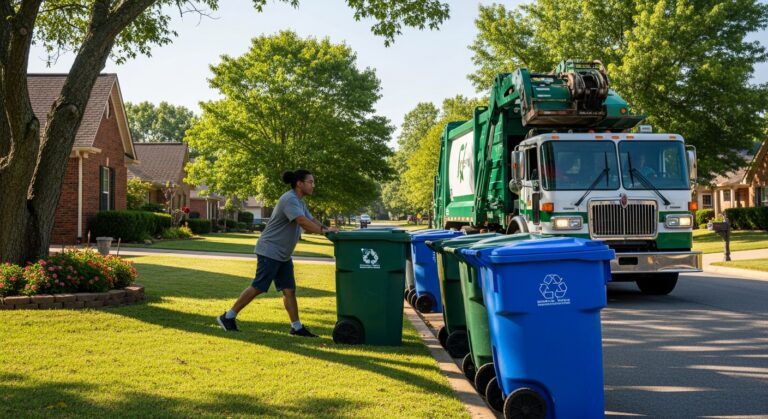
Proper use of your Bald Knob waste container goes a long way in ensuring reliable service and community cleanliness. Adherence to a few key practices can prevent common problems and make the system work better for everyone. First, always place your container at the designated curbside or alley location by the specified time on your collection day. Ensure the lid closes completely; overfilled containers are often not serviced as they pose safety hazards and can spill debris. The container should be positioned with the handle facing your home and at least three feet away from other objects like mailboxes, vehicles, or other carts. This spacing allows the automated truck arm to safely grasp and empty the container without obstruction.
Second, be mindful of what you place inside. General household trash is acceptable, but hazardous materials like paints, chemicals, batteries, and electronics should never be placed in your standard waste container. These items require special disposal procedures to protect sanitation workers and the environment. Bald Knob likely hosts periodic household hazardous waste collection events or has a designated drop-off facility. Similarly, proper sorting of recyclables is essential. Contamination of recycling streams with garbage can result in entire loads being sent to the landfill. If you are unsure about an item’s disposability, a quick call to the local waste authority can provide clarity and prevent contamination.
To maintain your container and minimize nuisances, regular cleaning is recommended. A simple rinse with a garden hose and a mild detergent can control odors and deter pests. During warmer months, baking soda can be sprinkled in the bottom of the bin to absorb smells. For households that generate significant food waste, using compostable bags or layering with dry materials like paper can also help. Finally, securing your container’s lid is vital, especially on windy days, to prevent litter from scattering around the neighborhood. A well-maintained container is not only more pleasant to use but also contributes to the overall tidiness of Bald Knob.
Common Container Issues and Proactive Solutions
Even with the best practices, issues with waste containers can arise. A common problem is missed pickup. If your container is not emptied on its scheduled day, first verify that it was placed correctly and that no posted delays, like those for holidays, are in effect. If all guidelines were followed, promptly report the missed collection to the waste service provider. Another frequent issue is damage to the container itself, such as cracks, broken wheels, or a missing lid caused by weather, animals, or collection machinery. Most service providers are responsible for repairing or replacing damaged containers they provided, so reporting damage quickly ensures you are not liable and maintains service continuity.
Odor and pest attraction are other persistent challenges, particularly in summer. Beyond regular cleaning, ensuring all waste, especially food scraps, is securely bagged can make a significant difference. For those with severe pest issues, such as raccoons or stray animals, consider using a bungee cord to secure the lid overnight. In some cases, upgrading to a container with a locking or tighter-sealing lid may be an option offered by the provider. Addressing these issues proactively not only improves your personal experience but also demonstrates respect for your neighbors and the community workers who handle the waste.
Beyond the Bin: Recycling and Special Waste in Bald Knob
Effective waste management extends far beyond the generic trash container. Bald Knob’s commitment to sustainability is reflected in its programs for recycling and special waste streams. Participating in these programs correctly is a critical component of responsible citizenship. Recycling containers, often blue bins or carts, are provided for materials like cardboard, paper, plastic bottles and jugs, metal cans, and glass. It is imperative to follow the local recycling guide precisely, as accepted materials can vary. For instance, plastic bags and Styrofoam are common contaminants that should never be placed in a single-stream recycling cart. When in doubt, the rule of thumb is: when you’re unsure, throw it out in the regular trash to avoid contaminating the recycling batch.
For items that don’t belong in either the trash or recycling bins, Bald Knob offers solutions. Yard waste, including grass clippings, leaves, and small branches, often requires separate collection or drop-off. Some municipalities provide dedicated bags or bins for this purpose. Bulk waste, such as furniture, mattresses, and appliances, typically has a designated pickup schedule maybe monthly or quarterly or requires scheduling a special collection. For construction and demolition debris from home projects, residents usually need to arrange for a temporary dumpster rental from a private waste company, as this material is not handled through standard residential service. Understanding these pathways ensures large or unusual items are disposed of legally and safely.
The following items almost always require special handling and should never be placed in your standard Bald Knob waste container:
- Household Hazardous Waste (HHW): Paint, oil, pesticides, solvents, and fluorescent light bulbs.
- Electronics (E-Waste): Televisions, computers, monitors, and batteries.
- Major Appliances: Refrigerators, air conditioners, washers, and dryers (often requiring Freon recovery).
- Medical Waste: Sharps, needles, and prescription medications (check for pharmacy take-back programs).
- Tires and Automotive Batteries: These are recycled through specific automotive or retail channels.
By utilizing these specialized services, you protect sanitation workers, prevent environmental pollution, and help conserve valuable landfill space. The city’s website or waste management provider is the best source for the most current information on dates, locations, and procedures for disposing of these materials.
Optimizing Waste Management for Bald Knob Businesses
Commercial operations in Bald Knob have distinct waste management needs that differ significantly from residential services. A business’s Bald Knob waste container is often a key operational asset, and its management directly impacts cost, compliance, and cleanliness. The first step is selecting the right container size and service frequency. A restaurant will need frequent pickup of organic waste, while an office may generate more paper recyclables. Underestimating needs leads to overfull dumpsters and potential code violations, while overestimating results in unnecessary expense. Most commercial waste providers offer a waste audit to help determine the optimal container size and pickup schedule based on your business’s volume and waste composition.
Commercial recycling is not just an environmental choice; it can be a significant cost-saving measure. Landfill tipping fees are typically higher than recycling processing fees. By implementing a robust recycling program and reducing contamination, businesses can often downsize their garbage dumpster service or reduce pickup frequency, leading to lower monthly bills. Furthermore, many customers and clients prefer to patronize businesses with visible sustainability practices. Clearly labeled recycling and waste stations, employee training on proper sorting, and partnering with a waste provider that offers detailed reporting can enhance a business’s green credentials.
Finally, businesses should be aware of local ordinances regarding commercial waste, which may include mandates for recycling certain materials or rules about dumpster enclosure and screening. Keeping dumpster areas clean and free of loose debris is essential to avoid pest problems and maintain a professional appearance. For businesses undergoing renovations or generating large amounts of cardboard, arranging for temporary additional containers or compactor services can keep operations running smoothly. A proactive approach to commercial waste management is an investment in operational efficiency, regulatory compliance, and community reputation.
Mastering the use of your Bald Knob waste container is a simple yet impactful way to contribute to a cleaner, more efficient city. By understanding the available services, adhering to best practices for disposal and container care, and actively participating in recycling and special waste programs, every resident and business owner plays a part. The system functions best when everyone does their share, from properly bagging trash to sorting recyclables. For the most accurate and up-to-date information, always refer to the official guidelines provided by the City of Bald Knob or your designated waste service provider. A small amount of effort at the individual level collectively ensures that Bald Knob remains a pleasant and sustainable place to live and work.