If you’re tackling a cleanup, renovation, or construction project in Conway, Arkansas, managing the resulting waste is a critical, yet often complicated, step. Finding a reliable, affordable, and appropriately sized Conway debris dumpster can make the difference between a smooth, efficient project and a logistical headache. This guide cuts through the confusion, providing Conway residents and contractors with a clear roadmap for navigating debris dumpster rentals, from selecting the right container to understanding local regulations and maximizing value.
Understanding Your Dumpster Rental Needs in Conway
Before you pick up the phone or submit an online request, taking a moment to assess your specific needs will save you time, money, and frustration. The most common mistake is renting a dumpster that is either too small, leading to costly overage fees or the need for a second rental, or too large, wasting your budget on unused capacity. Your project scope, the type of materials you’ll be disposing of, and your available space are the three key factors.
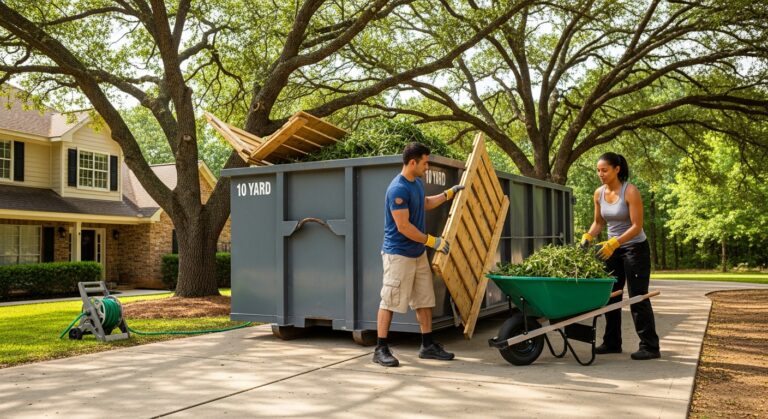
Consider the nature of your debris. A simple garage cleanout will generate a very different waste stream than a full kitchen demolition. Heavy materials like concrete, dirt, or roofing shingles have weight restrictions that can limit how much you can place in a dumpster, even if it appears physically empty. Conversely, light but bulky items like furniture or old drywall fill space quickly. Estimating volume is more art than science, but a good rule of thumb is to visualize cubic yards. A 10-yard dumpster is about the size of a small pickup truck bed, ideal for a single-room cleanout. A 20-yard container is common for small roofing jobs or basement renovations, while 30 and 40-yard dumpsters are typically reserved for major construction, large-scale demolition, or whole-house cleanouts.
The Rental Process and Local Conway Considerations
Once you have a clear idea of your needs, the rental process is straightforward. Reputable Conway debris dumpster providers will guide you through it. Start by obtaining quotes from at least two or three local companies. Be prepared to provide details about your project type, estimated debris type, desired dumpster size, and the rental duration, which is typically 7-10 days. Ensure the quote includes all potential fees: delivery, pickup, rental period, weight allowance, and taxes. Ask explicitly about overage charges for exceeding weight limits or time.
A crucial step specific to Conway is addressing placement and permitting. You will need a flat, stable surface like a driveway, yard, or construction site for the dumpster. If you plan to place the container on a public street, sidewalk, or right-of-way, you will almost certainly need a permit from the City of Conway. The rental company can often assist with this process, but the responsibility and any associated fees typically fall on the renter. Failing to secure a permit can result in fines or the city refusing delivery. Always discuss placement with your provider beforehand.
To ensure a smooth rental experience, follow these key steps:
- Prepare the Site: Clear the area of vehicles, overhead branches, and other obstacles. Ensure there is clear access for the delivery truck.
- Know What You Can’t Throw: Never place hazardous materials like chemicals, paints, batteries, tires, or appliances with refrigerants (Freon) in a standard debris dumpster. These require special disposal.
- Load Efficiently and Safely: Distribute weight evenly and break down large items to maximize space. Do not overfill the container above its rim; this is a safety hazard and may incur extra fees.
- Communicate for Pickup: Contact the rental company to schedule removal as soon as the dumpster is full or your rental period ends.
Choosing the Right Conway Debris Dumpster Provider
Not all dumpster rental services are created equal. Your choice of provider will impact your project’s cost, timeline, and overall ease. Look for companies with a strong local presence in Conway and Faulkner County. Local operators understand the specific regulations, disposal facilities, and common project types in the area. Check online reviews and ask for references to gauge reliability and customer service.
Transparency in pricing is non-negotiable. A trustworthy company will provide a detailed, all-inclusive quote and explain their fee structure clearly. Be wary of quotes that seem abnormally low, as they may hide substantial extra charges for fuel, environmental fees, or overages. Also, inquire about the types of dumpsters available. Roll-off dumpsters are the standard for construction and large cleanouts, but for smaller jobs, a front-load dumpster service might be more cost-effective if you generate debris regularly.
Key qualities to prioritize in a provider include:
- Clear, upfront pricing with no hidden fees.
- Flexible rental periods that match your project timeline.
- A range of dumpster sizes to fit your specific need.
- Knowledge of Conway’s permit requirements and willingness to advise.
- Responsive customer service for scheduling and questions.
Finally, consider the company’s commitment to responsible disposal. Ask where your debris will be taken. Reputable providers use licensed transfer stations and landfills and strive to recycle materials like concrete, metal, and clean wood whenever possible. Choosing a company that prioritizes proper disposal ensures your project debris is handled in an environmentally sound manner, aligning with the community standards of Conway.
Renting a Conway debris dumpster is a powerful tool for managing project waste effectively. By accurately assessing your needs, understanding the local rental and permit process, and selecting a reputable provider, you transform a potential hassle into a simple, efficient component of your project. This proactive approach not only keeps your site clean and safe but also ensures you stay on budget and in compliance with local ordinances, allowing you to focus on the task at hand, not the pile of debris.