Recycling in Arkansas can seem straightforward until you’re standing in your driveway, holding a plastic tub, and wondering if it belongs in the blue bin. The Natural State offers a patchwork of recycling programs, each with its own rules about what goes in those crucial containers. Navigating this system is key to keeping materials out of landfills and ensuring your good intentions translate into real environmental impact. Whether you’re a lifelong resident or new to the area, understanding the specifics of Arkansas recycling bins will make you a more effective participant in local sustainability efforts.
Understanding Arkansas’s Recycling Landscape
Unlike states with uniform mandates, recycling in Arkansas is primarily managed at the city or county level. This decentralized approach means the rules governing your Arkansas recycling bins can vary dramatically depending on your zip code. Major metropolitan areas like Little Rock, Fayetteville, and Jonesboro often have robust, single-stream curbside programs, while smaller towns and rural counties may rely on drop-off centers with more limited accepted materials. This system stems from the economic realities of waste management, where the cost of collection, sorting, and transporting materials must be balanced against market prices for recyclables. The Arkansas Department of Environmental Quality (ADEQ) provides overarching guidance and grants, but the operational details are left to local providers. This makes it essential for residents to consult their specific waste hauler’s guidelines, not just general state advice.
What Goes In Your Arkansas Recycling Bin
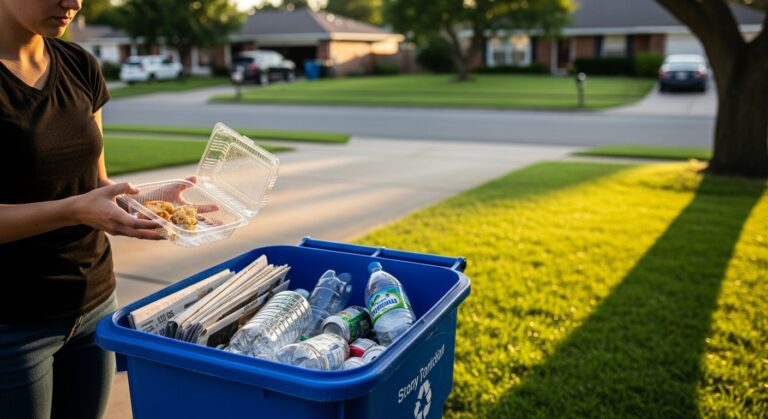
The golden rule of recycling is “when in doubt, throw it out.” Contamination from non-recyclable items can spoil entire batches of material, rendering them unfit for processing and sending them to the landfill. While you should always confirm with your local provider, most curbside programs in Arkansas accept a common core of materials. These typically include clean and dry cardboard, paper, aluminum and steel cans, and specific plastic bottles and jugs (usually labeled #1 PET or #2 HDPE). It is critical to rinse all containers to remove food residue. Many programs also accept glass bottles and jars, though some, particularly in Northwest Arkansas, may require you to separate glass by color or take it to a dedicated drop-off point. For a deeper dive into optimizing your home setup, consider our resource on choosing the best garbage disposal bins for your home.
Common Contaminants to Avoid
Placing the wrong item in your bin is more harmful than not recycling at all. Contamination drives up costs and can harm sorting equipment. Items you should almost always keep out of your Arkansas recycling bins include plastic bags (these tangle machinery), Styrofoam, food-soiled paper like pizza boxes, disposable coffee cups, batteries, electronics, clothing, and hazardous waste. Plastic bags are a particularly notorious contaminant; many grocery stores offer dedicated bins for bag recycling. Similarly, items like plastic film, shrink wrap, and bubble wrap should be kept out of the single-stream bin. Understanding these restrictions is fundamental to responsible participation.
Securing and Placing Your Bin Correctly
Proper placement is as important as proper sorting. Most haulers have specific requirements to ensure efficient and safe collection. Typically, your Arkansas recycling bins should be placed at the curb or roadside by a certain time on your collection day, often by 6:00 or 7:00 AM. The bin should be facing the street with the lid fully closed and the handles facing your house. It needs to be at least three to five feet away from other obstacles like mailboxes, parked cars, utility poles, and your regular trash container. Overfilling the bin so the lid cannot close is a common reason for missed pickups, as materials can spill and become litter. If you regularly have more recycling than your bin can hold, contact your service provider; many offer larger bins or additional containers for a small fee.
Alternatives to Curbside Recycling Bins
For residents without curbside service or those with items not accepted at the curb, Arkansas hosts a network of drop-off recycling centers. These are often located at city maintenance yards, public works departments, or grocery store parking lots. Drop-off centers are crucial for recycling electronics (e-waste), used motor oil, tires, and sometimes a broader range of plastics. Furthermore, for large-scale cleanouts, renovations, or projects that generate a mix of waste and recyclables, renting a dedicated dumpster can be the most practical solution. This allows for sorting on-site and responsible disposal. You can explore your options in our comprehensive guide to Arkansas dumpster rental costs and sizes to manage larger volumes effectively.
Maximizing Your Recycling Impact
True sustainability extends beyond just filling a bin. Effective recycling starts with reducing consumption and reusing items whenever possible. When you do need to recycle, follow these steps to maximize your positive impact. First, familiarize yourself with your local program’s specifics by visiting your city’s website or calling your waste hauler. Second, set up a convenient sorting station at home. This doesn’t need to be complex; a simple multi-bin system in your garage or under the sink can make proper sorting a habit. Label bins clearly for your family. Finally, stay informed. Recycling markets and technologies evolve, and the list of accepted materials can change. Local sustainability groups and your waste provider are excellent resources for updates.
- Know Your Local Rules: Bookmark your city’s sanitation page. Rules in Batesville may differ from those in Bentonville.
- Clean and Dry is Non-Negotiable: A quick rinse prevents contamination and odors.
- Flatten Cardboard Boxes: This saves immense space in your bin and in collection trucks.
- Don’t Bag Recyclables: Loose items are easier for facilities to sort. Never put recyclables in plastic bags inside your bin.
- When in Doubt, Find Out or Throw It Out: If you’re unsure about an item, look it up or discard it. Wishful recycling is harmful.
By adhering to these practices, you ensure the materials from your Arkansas recycling bins actually complete their journey to become new products. This closed-loop system conserves natural resources, saves energy, and reduces greenhouse gas emissions, contributing directly to the preservation of Arkansas’s natural beauty. Your diligence at the bin supports local jobs in the recycling industry and helps build a more circular economy within the state.
Navigating the world of Arkansas recycling bins is an act of local stewardship. By taking the time to learn your community’s specific guidelines, properly preparing your materials, and placing your bin correctly, you transform a simple household chore into a meaningful contribution. Your efforts help keep the Natural State beautiful, support environmental goals, and pave the way for a more sustainable future for all Arkansans. Start with one item, master your bin’s rules, and become a recycling advocate in your neighborhood.