If you’re facing a major property cleanup, renovation, or estate clearing project, the term ‘Pocahontas container dumpster’ might have come up in your search for waste management solutions. While it can sound like a specific brand or a local service, this phrase often serves as a colloquial or regional descriptor for a type of heavy-duty, roll-off dumpster rental designed for substantial debris removal. Understanding what this service entails, from container sizes and rental processes to cost factors and best practices, is crucial for planning an efficient, cost-effective, and compliant project. Whether you’re a homeowner, contractor, or property manager, navigating dumpster rentals doesn’t have to be a daunting task.
Defining the Pocahontas Container Dumpster Service
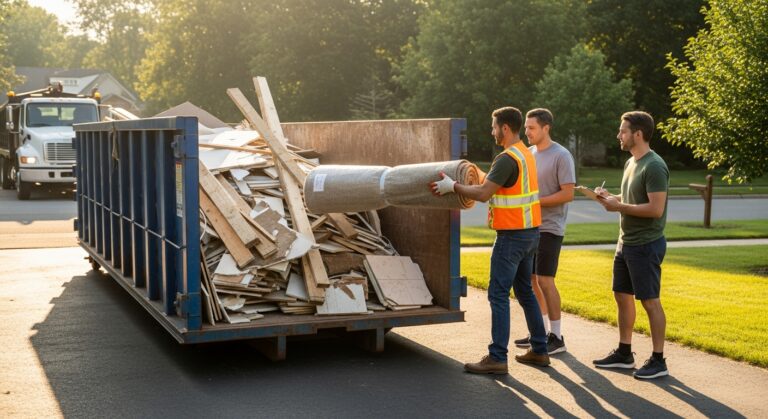
The core concept behind a ‘Pocahontas container’ in the dumpster rental industry typically refers to a large, open-top roll-off dumpster. These are the sizable metal containers you see delivered on a specialized truck and placed at construction sites, homes during major cleanouts, or commercial properties. The name ‘Pocahontas’ is not a universal brand but may be used in certain regions or by specific companies as a model name or a recognizable term for a particular size or style of container. The key takeaway is that it represents a category of dumpster meant for significant volumes of non-hazardous waste. These containers are designed to be loaded from the top or side and are hauled away by a truck that rolls them onto its bed for transport to a landfill or recycling facility.
Common projects that necessitate this level of waste management include whole-house or estate cleanouts, major renovation and demolition work, large-scale landscaping or yard debris removal, and construction site waste. The primary advantage of renting such a container is convenience and volume. Instead of making countless trips to the dump in a pickup truck or dealing with a mountain of bagged waste, you have a single, centralized location for all debris. This streamlines the workflow, improves site safety by reducing clutter, and can ultimately save significant time and labor costs.
Key Considerations for Renting a Large Dumpster
Renting a dumpster is more than just ordering a bin. Several critical factors must be evaluated to ensure you get the right container for your job without unexpected fees or complications. The first and most important step is selecting the appropriate size. Pocahontas-style roll-off dumpsters commonly come in lengths like 10, 15, 20, 30, and 40 cubic yards. A 20-yard container, for example, is a popular choice for roof replacements or large garage cleanouts, while a 40-yard unit is suited for new construction or whole-house demolition. Underestimating size leads to needing a second haul-away, while overestimating means paying for unused space.
Equally vital is understanding what you can and cannot place in the container. Rental companies have strict rules about prohibited items, primarily for safety and environmental reasons. Commonly banned materials include hazardous waste like paints, chemicals, batteries, and asbestos; tires; certain electronics; and sometimes large appliances containing Freon. Disposal of these items often requires special handling and separate fees. Always review the provider’s acceptable waste list in detail before booking.
Beyond size and content, logistical planning is essential. You must secure a suitable placement location for the dumpster, typically a driveway, yard, or dedicated spot on a construction site. The area needs to be flat, solid, and accessible for the delivery truck’s arm. You’ll also need to check if a permit is required from your local municipality, which is often the case if the container will be placed on a public street or sidewalk. Finally, clarify the rental terms: the duration of the rental period (often 7-10 days), the included weight allowance (tonnage), and the precise cost structure for overage fees, extra days, or prohibited item disposal.
The Rental Process and Cost Breakdown
Navigating the rental process from start to finish involves a series of clear steps. Following them ensures a smooth experience. First, conduct thorough research and get quotes from at least three reputable local providers. Be prepared to describe your project in detail: the type of debris, estimated volume, and your project timeline. When comparing quotes, look beyond the base price. A low upfront cost might mask high overage fees or a short rental period.
Once you select a provider, you will schedule the delivery date. On delivery day, ensure the placement site is clear and accessible. The driver will typically position the container using the truck’s hydraulic system. You then have the agreed-upon rental period to fill the container. It is crucial to load it evenly and not exceed the top of the walls or the marked fill line, as overfilled containers are a safety hazard and may not be legally transported. When you’re ready, or when the rental period ends, you contact the company to schedule pickup. The hauler will return, winch the container onto the truck, and transport it for disposal.
Costs for a Pocahontas container dumpster rental are not flat fees. They are structured around several variables. The primary cost drivers include the container size, rental duration, type of debris (heavy materials like concrete or dirt cost more to dispose of than light household junk), your geographic location, and landfill tipping fees in your area. The quoted price usually bundles delivery, pickup, disposal up to a certain weight limit, and the rental period. Be vigilant for potential hidden fees, which can include charges for exceeding the weight limit, extending the rental period, disposing of prohibited items, or requiring a permit. Request a written breakdown that includes all potential extra costs before signing any agreement.
Maximizing Value and Efficiency During Your Rental
To get the most out of your dumpster rental, strategic loading and waste sorting are key. Start by placing a base layer of flat, heavy items at the bottom to create a stable foundation. Break down large items like furniture or cardboard boxes to save space. Distribute weight evenly as you fill. If you have a mix of waste, consider separating recyclable materials like metal, clean wood, or concrete. Some companies offer discounted rates for sorted loads of recyclables, as they can divert material from the landfill. Furthermore, avoid throwing away items that could be donated, such as gently used furniture, appliances, or building materials. This not only reduces your disposal volume but also benefits your community.
Choosing the Right Dumpster Rental Provider
Not all dumpster rental companies are created equal. Selecting a reliable provider is as important as choosing the right container. Focus on companies with a strong local reputation, clear communication, and transparent pricing. Start by checking online reviews and ratings on independent platforms. Look for feedback about on-time delivery and pickup, customer service responsiveness, and billing transparency.
When you contact companies, ask specific questions. A reputable provider will ask detailed questions about your project to recommend the correct size and inform you of rules. They should be able to explain their fee structure clearly and provide documentation on prohibited items. Be wary of companies that give a quote without asking about the nature of your debris or those that are vague about extra charges.
Essential criteria for a trustworthy dumpster rental service include proper licensing and insurance, a well-maintained fleet of containers and trucks, and knowledgeable staff. Before finalizing your decision, verify their insurance coverage to protect yourself from liability in case of accidents on your property. Also, confirm their disposal practices to ensure they use licensed transfer stations and landfills, promoting responsible waste management.
Key questions to ask any potential provider include:
- What is the exact rental period, and what are the fees for extra days?
- What is the included weight allowance, and what is the cost per ton over that limit?
- Can you provide a complete list of prohibited items?
- Do you handle permit acquisition, and if so, what is the cost?
- What is your policy on container placement and potential damage to my driveway?
Taking the time to vet providers thoroughly can prevent headaches, unexpected costs, and project delays, ensuring your Pocahontas container dumpster rental is a seamless part of your project’s success.
Renting a large dumpster, whether referred to as a Pocahontas container or simply a roll-off, is a powerful tool for managing substantial waste. By understanding the service, carefully planning your rental, and choosing a reputable provider, you transform a potentially messy and overwhelming aspect of your project into a controlled, efficient process. The result is a cleaner, safer worksite and the satisfaction of knowing your debris is being handled responsibly, allowing you to focus on the progress and completion of your renovation, cleanout, or construction goal.