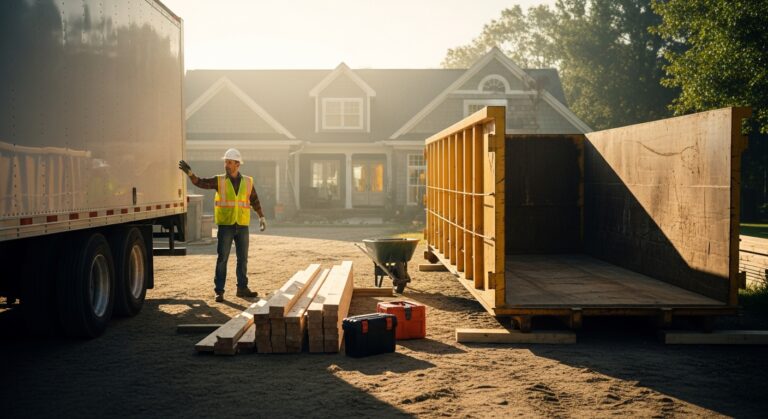
A sprawling construction site or a major home renovation is a symphony of organized chaos, but the one element that can bring the music to a screeching halt is a growing mountain of debris. Efficient waste management isn’t just a logistical afterthought; it’s a cornerstone of project safety, timeline adherence, and budget control. Navigating the world of construction dumpster rental, however, requires moving beyond a simple Google search. From selecting the perfect container size to understanding complex permitting rules, a successful rental hinges on strategic planning and asking the right questions upfront. This guide demystifies the process, providing contractors, project managers, and ambitious DIYers with the knowledge to secure the right dumpster service, avoid hidden fees, and keep their worksite clean and compliant.
Selecting the Right Dumpster for Your Construction Project
The most critical decision in your waste management plan is choosing the correct dumpster size. An undersized container leads to costly extra hauls, while an oversized one wastes precious budget and space on your site. Construction dumpster rentals are typically measured in cubic yards, with common sizes ranging from 10-yard containers for smaller jobs like bathroom remodels to 40-yard roll-offs for new construction or large-scale demolition. The key to sizing accurately lies in understanding the volume and type of materials you’ll be disposing of. For instance, heavy materials like concrete, dirt, or roofing shingles fill a container by weight long before they fill it by volume, often requiring a smaller container but a service equipped for heavy loads.
Common construction materials have widely different disposal densities. A 20-yard dumpster can hold approximately 2-3 tons of mixed construction debris from a kitchen remodel, but the same container might only handle 10 tons of concrete before reaching weight limits. It’s always better to consult with your rental provider, providing details about your specific project. A reputable company will ask detailed questions about your materials to recommend the most cost-effective size. For more on sizing strategies, our guide on roll off dumpster rental and sizing offers a deeper dive into calculating your needs.
Understanding the Rental Process and Key Considerations
Once you’ve identified the right size, the rental process involves several logistical steps. First, you must secure a suitable placement area for the dumpster. This needs to be a firm, level surface like a driveway, asphalt, or compacted ground, with clear overhead access free of wires and tree limbs. The delivery truck requires a clear path and adequate space to maneuver and place the container. It’s your responsibility to ensure this space is available and that you have any necessary permits. Many municipalities require a permit to place a dumpster on a public street, sidewalk, or right-of-way. Permit requirements, costs, and processing times vary widely, so checking with your local city office early is essential to avoid project delays.
Next, you must clearly understand the rental agreement’s terms. Key points include the rental period (often 7-14 days), included weight allowance (tons), and the cost for overage fees per ton if you exceed that limit. Always ask about prohibited items. Most construction dumpster rentals forbid hazardous materials like paints, chemicals, asbestos, batteries, and tires, as these require special disposal procedures and carry significant environmental liabilities. Knowing these rules prevents unexpected rejection of your load or substantial surcharges.
Navigating Costs and Avoiding Hidden Fees
The quoted price for a dumpster rental is rarely the final price if you’re not careful. Transparent providers will break down all potential costs. Be wary of quotes that seem unusually low, as they often mask high overage fees or extra charges. To budget accurately, consider these common cost factors:
- Rental Duration: The base price typically covers a set period. Extending the rental will incur daily or weekly fees.
- Weight Allowance and Overage: This is the most common source of surprise bills. Understand exactly how much weight is included and the per-ton cost for exceeding it.
- Prohibited Items: Disposing of forbidden materials can result in hefty fines or the entire load being refused, leaving you with a major problem.
- Permit Fees: If a permit is needed for your placement location, this cost is almost always passed to the customer.
- Extra Trip Fees: Some companies charge extra if you need the container exchanged for an empty one before your rental period ends.
To avoid pitfalls, get everything in writing. A clear contract should detail the rental period, included tonnage, overage rates, prohibited items, and any potential extra fees. Don’t hesitate to ask the provider to explain each line item. This due diligence ensures your construction dumpster rental remains a controlled project cost, not a budget-busting surprise.
Best Practices for Efficient and Safe Dumpster Use
Maximizing the value of your dumpster rental goes beyond just filling it up. Proper loading techniques ensure safety, efficiency, and cost-effectiveness. Start by placing flatter, heavier debris like concrete slabs or plywood at the bottom to create a stable base. Then, layer lighter materials on top. Break down large items whenever possible; disassembling old cabinets or fencing creates more space and allows for safer, denser packing. Never overload the container above its rim. This is a major safety hazard during transport and is typically against rental agreements and local laws. An overfilled dumpster can spill debris onto roads, creating hazards and potentially resulting in fines from the hauler or the city.
Safety must be paramount. Always wear appropriate personal protective equipment (PPE) like gloves, steel-toe boots, and safety glasses when handling construction debris. Use proper lifting techniques to avoid injury. Keep the area around the dumpster clear of trip hazards and ensure it is well-lit if work continues after dark. For projects generating a high volume of dust or lightweight debris like insulation, lightly misting materials with water before disposal can help control airborne particles. Finally, plan your waste disposal as an ongoing part of the daily workflow, not a frantic activity at the end of the project. This maintains a cleaner, safer worksite and prevents a last-minute scramble that can lead to unsafe overloading.
Strategic Waste Management for Modern Projects
Today’s construction and renovation projects increasingly prioritize sustainability. A strategic approach to your construction dumpster rental can significantly reduce your project’s environmental footprint and, in some cases, even save money. Before you toss everything, conduct a waste audit. Identify materials that can be diverted from the landfill. Many items have high recycling value or can be donated. Metals (copper wiring, steel beams, aluminum siding) are almost always recyclable for profit. Clean, untreated lumber can often be recycled or repurposed. Usable fixtures, cabinets, and appliances can be donated to organizations like Habitat for Humanity ReStore.
Separating these materials on-site requires a bit more planning but pays dividends. You might use a designated area or smaller bins for recyclables and donations alongside your main dumpster for true waste. Some dumpster rental companies even offer dedicated containers for specific material streams like concrete or clean wood, which are often recycled at a lower cost than mixed debris landfill disposal. Incorporating these practices transforms your dumpster from a mere trash receptacle into a key component of a responsible, efficient, and modern project management strategy. It demonstrates foresight, aligns with green building principles, and can enhance your reputation with clients who value environmental stewardship.
The right construction dumpster rental is a powerful tool that supports the entire lifecycle of your project. By carefully selecting the correct size, understanding the full scope of costs and regulations, employing safe loading practices, and considering waste diversion, you transform a simple logistics task into a lever for efficiency, safety, and sustainability. A clean, organized site is a productive and safe one, and a well-managed waste plan ensures your project’s focus remains on building and creation, not on managing the mess left behind.