Whether you’re renovating a kitchen, clearing out a cluttered garage, or managing a large construction site, the pile of waste generated can quickly become the most daunting part of the job. The logistics of handling that debris often determine whether a project runs smoothly or grinds to a halt. This is where the strategic use of debris removal containers transforms from a simple logistical task into a cornerstone of efficient project management. Selecting the right container, understanding the rental process, and knowing what can and cannot go inside are critical decisions that impact your budget, timeline, and safety. This guide will walk you through the key considerations to ensure your cleanup is as efficient and cost-effective as the project itself.
The Core Types of Debris Removal Containers
Not all debris containers are created equal. The type you choose depends fundamentally on the volume, weight, and nature of your waste. The most common and versatile option is the roll-off dumpster, a large, open-top container delivered and retrieved by a specialized truck. These are the workhorses of construction and large-scale cleanouts. Front-load dumpsters, often seen behind commercial buildings, are serviced by trucks with hydraulic arms and are ideal for ongoing waste generation. For smaller, DIY-friendly projects, rear-load containers or even large, heavy-duty roll carts might suffice. The size of a roll-off container is typically measured in cubic yards, ranging from small 10-yard units for a bathroom remodel to massive 40-yard containers for new construction framing debris. Understanding these core types is the first step in matching the tool to the task.
Choosing the Right Size and Placement
Underestimating your container size leads to costly extra hauls or overfilling violations, while overestimating wastes money on unused space. A good rule of thumb is to visualize your debris pile: a 10-yard container holds about the contents of a single-car garage after a light cleanout, a 20-yard handles a major roof tear-off or a large room demolition, and a 30-40 yard container is suited for new construction or whole-house renovation projects. Equally critical is placement. You must secure a permit if the container will be placed on a public street or right-of-way. On private property, choose a flat, stable surface like a driveway or compacted gravel—never on grass or soft ground, as the weight can cause sinking or damage. Ensure there is ample overhead clearance (typically 22-25 feet) for the delivery truck’s arm and that the path is clear of obstacles like low-hanging wires or tree limbs.
For a detailed breakdown of sizing and types for specific projects, our resource on Choosing the Right Construction Debris Container offers targeted advice.
What Goes In (And What Absolutely Does Not)
Debris removal containers are designed for inert, bulky waste, but regulations strictly prohibit certain materials due to environmental and safety hazards. Knowing these rules upfront prevents surprise fees, rejected loads, and legal liabilities. Commonly accepted debris includes wood, drywall, roofing materials, concrete, bricks, metals, and non-contaminated soil. However, even within acceptable categories, separation may be required; many providers mandate that concrete and dirt be kept separate from other waste for recycling.
The list of prohibited items is critical. Never place the following in a standard debris container:
- Hazardous Materials: Paint, solvents, chemicals, batteries, and asbestos.
- Liquid Waste: Oils, fuels, and any free-flowing liquids.
- Appliances with Refrigerants: Refrigerators, air conditioners, and freezers must have refrigerants properly evacuated by a certified technician.
- Tires and Propane Tanks: These require specialized disposal channels.
- Electronics (E-Waste): Televisions, computers, and monitors contain toxic components.
When in doubt, always consult your rental provider for a clear list of acceptable and prohibited items. Disposing of hazardous materials improperly can result in significant fines.
The Rental Process and Cost Considerations
Renting a debris container is a straightforward process, but understanding the pricing structure is key to avoiding unexpected charges. Costs are typically broken down into several components: a base rental fee for a set period (often 7-10 days), a tonnage or weight fee for the debris once hauled, and potential extra charges for overfilling, prohibited items, or extending the rental period. The base fee covers delivery, pickup, and a predetermined weight allowance. Exceeding that weight limit incurs additional fees per ton. Therefore, efficiently loading your container—breaking down bulky items and distributing weight evenly—can directly save you money.
To get the best value and service, follow this simple process. First, accurately estimate your project’s scope and debris type. Then, obtain quotes from multiple reputable local providers, ensuring each quote includes a clear breakdown of all potential fees. Ask about their policies on overage charges, rental extensions, and prohibited items. Finally, schedule your delivery for a day or two before your project starts to ensure the container is on-site when you need it. A proactive approach to the rental process safeguards your budget and keeps your project timeline intact.
Maximizing Efficiency and Safety on Site
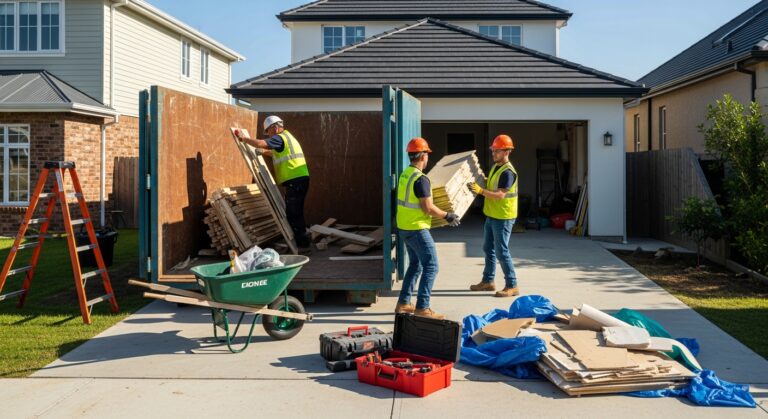
Once your debris removal container is on-site, proper use ensures safety and maximizes space. Start by planning your loading strategy. Place flat, heavy items like plywood or drywall at the bottom to create a stable base. Break down large items whenever possible; disassembling a wooden frame or crushing cardboard boxes creates more usable space. Distribute weight as evenly as you can to maintain container balance. Crucially, never overfill the container. Materials should not extend above the top of the walls. This is not just a rule—it’s a major safety hazard. Overloaded containers can spill debris during transport, damaging property and creating dangerous road conditions. Most companies will refuse to pick up an overloaded container until it is leveled off, causing delays and additional fees.
Safety extends beyond loading. Keep the area around the container clear. Ensure workers and family members, especially children, stay away from the container during active loading. Use appropriate personal protective equipment (PPE) like gloves, safety glasses, and sturdy boots when handling debris. By treating the container as a key piece of worksite equipment, you protect both people and property.
Selecting and utilizing debris removal containers effectively is a skill that pays dividends in saved time, money, and frustration. It moves waste management from an afterthought to an integrated part of your project plan. By understanding the types available, choosing the correct size, adhering to disposal rules, navigating the rental agreement clearly, and prioritizing safe loading practices, you turn a simple dumpster into a powerful tool for success. The right container keeps your site organized, your project moving forward, and your final cleanup a seamless conclusion to your hard work.