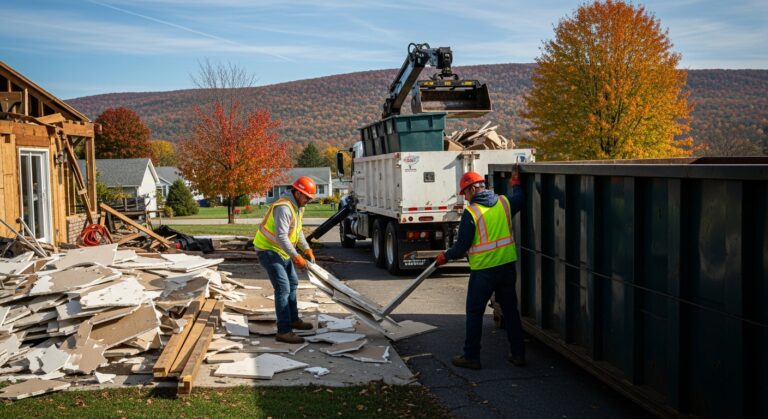
When a storm, fire, or construction project leaves your property in Corning, NY, overwhelmed with debris, the path to recovery can feel blocked before it even begins. Mountains of splintered wood, twisted metal, soaked drywall, and general waste are more than an eyesore; they represent a logistical hurdle, a safety hazard, and a significant financial question mark. For homeowners and property managers, knowing where to turn for efficient, reliable, and financially sound debris removal is the critical first step in restoration. This is where a specialized Corning debris management service transitions from a simple cleanup crew to an essential partner in your property’s recovery, navigating not just the physical removal but often the complex insurance and financial processes that accompany it.
Understanding the Scope of Professional Debris Management
Debris management is a comprehensive discipline that goes far beyond hauling trash to the dump. It involves the systematic planning, removal, sorting, recycling, and disposal of materials from a site. In the context of Corning and the surrounding Finger Lakes region, this service is crucial for a variety of scenarios. The aftermath of severe weather, such as the thunderstorms and winter storms common to the area, can scatter trees, shingles, and structural elements across yards and roads. Fire and water damage restoration projects generate tons of unsalvageable building materials and personal property. Large-scale renovations, demolitions, and even estate cleanouts all produce concentrated volumes of waste that require proper handling.
A professional service doesn’t just show up with a truck. They conduct an initial assessment to identify hazardous materials (like asbestos or lead-based paint in older Corning homes), categorize waste streams for optimal recycling, and determine the most efficient removal method. They handle the heavy lifting, literally and figuratively, ensuring that debris is removed safely without causing further damage to your property. This structured approach prevents the all-too-common pitfalls of DIY cleanup: personal injury, improper disposal leading to fines, and the sheer physical exhaustion that delays the overall recovery timeline.
Key Benefits of Partnering with a Local Corning Service
Choosing a debris management provider familiar with Corning and Steuben County offers distinct advantages. First is their knowledge of local regulations and disposal facilities. They understand the requirements of the local landfill, know which materials can be recycled at area centers, and are versed in any regional ordinances regarding disaster debris or construction waste. This local expertise ensures full compliance, avoiding potential fines for property owners. Secondly, a local company is invested in the community. Their responsiveness and reliability are tied to their local reputation, fostering a higher degree of accountability and customer service.
Perhaps the most significant benefit, however, lies in their potential role as a financial advocate. Many property insurance policies cover debris removal, but the process of documenting, estimating, and claiming these costs can be opaque and overwhelming. A proficient Corning debris management service often has extensive experience working with insurance companies. They can provide detailed, line-item estimates that accurately reflect the scope of work, using documentation that meets insurer requirements. This professional documentation is crucial for maximizing your entitled recovery and ensuring you are not left with out-of-pocket expenses for necessary cleanup. Their involvement can effectively “pressure” the insurance process by submitting credible, professional assessments that support your claim.
Navigating Insurance and Disaster Recovery
After a major incident, your debris management partner becomes a key player in the recovery ecosystem. They understand that time is of the essence to prevent further damage (like mold growth after water intrusion) and can often prioritize emergency tarping and initial removal. Their detailed scoping report becomes a foundational document for your insurance adjuster. By clearly defining what needs to be removed, how it will be done, and the associated costs, they bring clarity to a chaotic situation. This service transforms an emotional and stressful burden into a managed project, allowing you to focus on personal or business recovery while they handle the logistical and bureaucratic complexities of the cleanup.
What to Expect from a Comprehensive Service Workflow
A reputable Corning debris management service follows a structured process designed for efficiency, safety, and client peace of mind. While specifics may vary, the core workflow typically involves several key stages.
The process begins with your initial contact and a detailed site evaluation. A representative will visit your property to assess the volume, type, and location of debris, noting any safety hazards or site access challenges. Following this assessment, you will receive a clear, written estimate. This is not just a total price, but a breakdown of services, which may include labor, equipment (like roll-off dumpsters or specialized loaders), hauling, tipping fees at disposal facilities, and any recycling efforts. Transparency here is critical. Once authorized, the service will schedule the cleanup, coordinating with you for site access. The removal phase is executed by trained crews using appropriate personal protective equipment and methods to protect your undamaged property. Finally, responsible disposal is completed, with providers prioritizing recycling of concrete, metal, clean wood, and other materials to align with sustainable practices, a growing concern for many in the community.
Choosing the Right Provider for Your Needs
Not all hauling services are created equal. When selecting a debris management partner in Corning, due diligence is essential. Look for proper licensing and insurance; this protects you from liability should an accident occur on your property. Seek out companies with specific experience in your type of debris, whether it’s storm-related vegetative waste, construction demolition, or hazardous material cleanup. Read reviews and ask for references to gauge reliability and professionalism.
Be prepared to ask pointed questions during the estimation process. A trustworthy provider will answer these clearly and without hesitation. Key questions include: Is the estimate all-inclusive, or could there be additional fees (like for excessive weight or unexpected hazardous materials)? What is their timeline for project completion? Can they provide documentation (photos, itemized logs) suitable for insurance purposes? Do they offer assistance in coordinating with your insurance adjuster? Their answers will reveal their level of expertise and customer focus.
To ensure you select a capable partner, prioritize providers that demonstrate the following attributes:
- Full Licensing and Insurance: Verify they carry both liability and workers’ compensation insurance.
- Transparent Pricing: They provide detailed, written estimates with clear explanations of what is and isn’t included.
- Local Knowledge: They are familiar with Corning/Steuben County disposal rules and facilities.
- Insurance Protocol Experience: They understand how to document and invoice for insurance claims effectively.
- Environmental Responsibility: They have a stated plan for recycling and diverting waste from landfills where possible.
Investing time in selecting the right service upfront prevents misunderstandings, hidden costs, and project delays later. It ensures your property’s debris is managed as a strategic step in restoration, not just as a cost to be minimized. A true professional service views the cleanup as the first phase of rebuilding, setting a solid foundation for the contractors and trades that will follow.
Ultimately, engaging a dedicated Corning debris management service is an investment in recovery efficiency and financial clarity. It transforms a daunting, physical, and administrative burden into a managed, professional operation. By handling the complexities of logistics, safety, disposal, and insurance documentation, these services empower property owners to navigate a crisis with greater confidence, ensuring that the path to a clean, clear, and rebuild-ready site is as smooth and swift as possible.