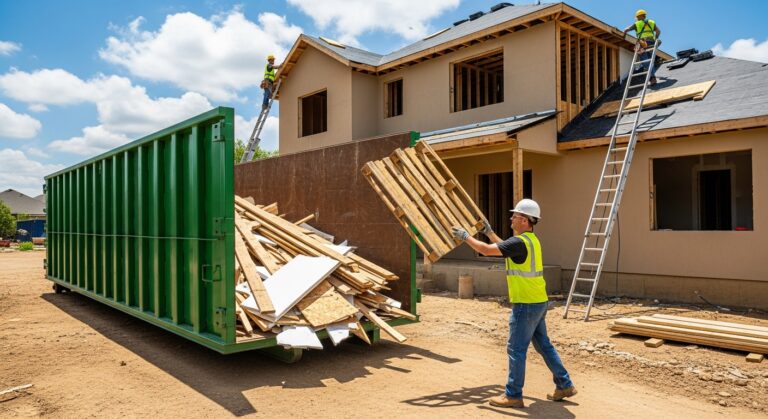
A massive pile of debris is a common sign of progress, whether you’re tearing out an old kitchen, replacing a roof, or clearing a construction site. But it can quickly become a symbol of a stalled project if you don’t have an efficient system to remove it. This is where the roll off dumpster becomes an indispensable tool. Far more than just a large metal box, a well-planned roll off dumpster rental is the backbone of a clean, safe, and efficient worksite. It streamlines waste management, allowing you to focus on the project itself rather than the mess it creates. The key to success lies not just in renting a container, but in understanding the nuances of sizing, placement, regulations, and logistics to ensure your dumpster serves your project perfectly from start to finish.
Understanding Roll Off Dumpster Basics and Applications
The term “roll off” refers to the specialized truck that delivers and retrieves the container. The truck uses a hydraulic system to roll the dumpster off its bed and onto your designated location. When the rental period is over, the truck hooks onto the container and rolls it back onto the bed for transport. This system is designed for heavy, bulky loads and temporary placement, making it distinct from front-load or rear-load dumpsters used for permanent, commercial waste service. The versatility of roll off dumpsters is their greatest asset. They are the go-to solution for a wide array of projects, each with its own waste profile and requirements.
Common projects that benefit from a roll off dumpster rental include whole-house renovations, roofing replacements, large-scale landscaping or yard cleanouts, commercial construction and demolition, major decluttering efforts like estate cleanouts, and disaster recovery after events like floods or storms. For a construction site, a roll off dumpster keeps hazardous materials like nails and splintered wood contained, promoting safety. For a homeowner, it consolidates all waste into one accessible location, eliminating countless trips to the local dump. Understanding your project’s scope is the first critical step in selecting the right equipment, a process we detail in our guide on Choosing the Right Roll Off Dumpster for Your Project.
Selecting the Perfect Dumpster Size for Your Job
Choosing the correct dumpster size is arguably the most important decision in the rental process. An oversized dumpster wastes money and occupies more space than necessary, while an undersized one leads to overage fees, the need for a second rental, and project delays. Dumpster sizes are measured in cubic yards, which is a volume measurement (length x width x height). Common sizes range from 10-yard containers, ideal for small bathroom remodels or garage cleanouts, to massive 40-yard dumpsters suited for new construction or whole-house demolition.
To make an accurate estimate, first categorize your debris. A yard of waste from light demolition (like drywall and wood framing) weighs significantly less than a yard of dirt, concrete, or roofing shingles. Most rental companies have weight limits for each size, and exceeding them incurs hefty fees. It’s always better to slightly overestimate your needs. If you’re on the fence between a 20-yard and a 30-yard dumpster, opting for the larger one often provides peace of mind and may be more cost-effective than renting twice. Consider these general guidelines for common project types:
- 10-15 Yard Dumpsters: Perfect for small kitchen or bathroom remodels, deep cleaning a single-story garage, or a small deck removal.
- 20-30 Yard Dumpsters: The most popular range for larger home renovations (like multiple rooms), full roof replacements on an average-sized home, or clearing out a basement or attic.
- 30-40 Yard Dumpsters: Necessary for whole-house cleanouts, major construction or demolition projects, large commercial jobs, or installing a new driveway.
When in doubt, provide your rental company with a detailed description of your project. Reputable providers have extensive experience and can recommend the ideal size based on your specific materials and square footage.
Navigating Logistics, Placement, and Regulations
Once you’ve selected the right size, the next critical phase is logistics. Where will the dumpster go? Most residential and commercial properties have a perfect spot, but it must meet specific criteria. The delivery truck needs clear, flat, and firm access. This typically means a paved driveway, a concrete pad, or a level section of compacted gravel or dirt. The area must be free of overhead obstructions like tree limbs, power lines, or roof eaves. Inform your rental company about any potential challenges, such as a steep driveway, soft lawn, or narrow street access.
If you plan to place the dumpster on a public street or sidewalk, you will almost certainly need a permit from your local city or county government. The rental company can often help you acquire this, but the cost and responsibility usually fall on the customer. Permit requirements, costs, and processing times vary widely, so this inquiry should be part of your initial planning. Furthermore, there are strict rules about what you can and cannot place in a roll off dumpster. Prohibited items generally include hazardous materials (paint, chemicals, batteries, asbestos), tires, appliances with refrigerants (like air conditioners and refrigerators unless properly evacuated), and sometimes large amounts of dirt or concrete. Disposing of these materials incorrectly can result in significant fines. Always confirm the list of accepted and prohibited waste with your provider before loading begins.
Optimizing Your Rental Experience and Managing Costs
A smooth roll off dumpster rental experience hinges on clear communication and smart loading practices. Before delivery, confirm all pricing details. Understand the rental period (often 7-10 days), the included weight allowance (measured in tons), and the exact cost per ton for any overage. Ask about potential extra fees for specific materials, extended rental days, or early pick-up. This transparency prevents surprise bills.
When loading the dumpster, start by placing flat, bulky items like plywood or drywall at the bottom to create a stable base. Break down large items whenever possible to maximize space. Distribute weight evenly and avoid piling debris higher than the container’s walls, as this is a safety hazard and may violate transportation laws. If you are disposing of sharp or hazardous debris like broken glass or nails, place them in sturdy boxes or containers to protect the workers who will handle the dumpster. Finally, maintain a good relationship with your rental provider. If you realize you need more time or a different size, communicate early. A reputable company values a satisfied customer and will often work with you to find a solution, ensuring your project’s waste management is a success from delivery to final haul-away.
Renting a roll off dumpster is a strategic decision that directly impacts the efficiency, safety, and budget of your project. By taking the time to understand sizing, logistics, and regulations, you transform a simple container into a powerful project management tool. The right dumpster in the right place allows work to flow smoothly, keeps your site organized, and provides the simple satisfaction of watching debris disappear on schedule, leaving you free to focus on the result, not the rubble.