For Arkansas homeowners and business managers, navigating waste disposal is about more than just putting a bin by the curb. It involves understanding a diverse landscape of local regulations, choosing the right containers for your specific needs, and knowing when standard service isn’t enough. Whether you’re managing weekly household trash in Little Rock, coordinating a construction project in Fayetteville, or planning a major spring cleanout in the Delta, the right trash container strategy is key to efficiency, cost control, and compliance. This guide demystifies the world of waste containers across the Natural State, from city-issued carts to roll-off dumpster rentals, helping you make informed decisions for any scenario.
Understanding Your Core Trash Container Options in Arkansas
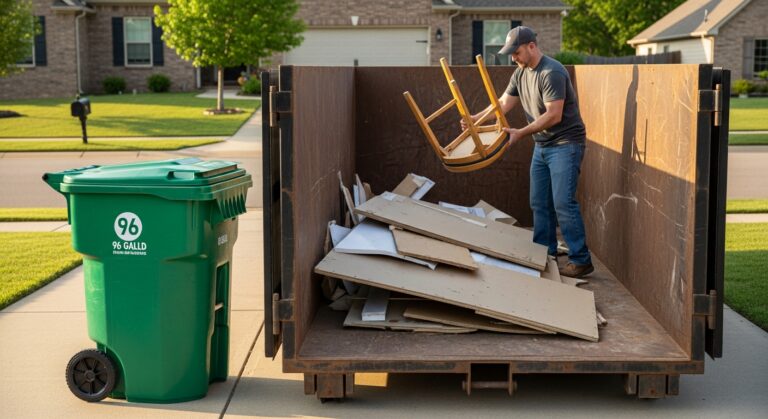
The foundation of waste management in Arkansas typically begins with the containers provided or mandated by your local municipal service or private hauler. Most cities and towns offer automated collection, where residents use standardized wheeled carts. These are usually 96-gallon containers, though some areas may offer smaller 64-gallon or larger options. These carts are designed for compatibility with the mechanical arms on collection trucks, promoting efficiency and reduced litter. It’s crucial to know your local rules: placement distance from obstacles, lid closure requirements, and prohibited materials can vary significantly from one municipality to another. Overloading a bin or placing unacceptable items like hazardous waste or construction debris can lead to missed pickups and fines.
Beyond the standard cart, many Arkansas residents utilize additional containers like smaller outdoor trash cans or dedicated bins for recycling. Recycling programs are increasingly common, with cities like Bentonville and Conway providing separate carts for commingled recyclables. Yard waste also often requires special handling; many jurisdictions demand biodegradable bags or designated containers for leaves and grass clippings, separate from the regular trash stream. For those in unincorporated areas, private subscription services are the norm, and you often have more flexibility in container size selection, though you are directly responsible for the associated costs.
When to Consider a Dumpster Rental for Your Arkansas Project
Standard residential trash containers are insufficient for large-scale waste generation. This is where renting a dumpster becomes a strategic necessity. A temporary dumpster provides a centralized, high-volume disposal solution that keeps projects on schedule and sites safe. The most common type is the roll-off dumpster, delivered on a specialized truck and placed at your location for a set rental period. Choosing the correct size is paramount for budget and efficiency; a 10-yard dumpster might be perfect for a garage cleanout, while a major roof replacement could require a 40-yard container.
Common projects across Arkansas that benefit from dumpster rentals include home renovations, roofing jobs, large landscape overhauls, estate cleanouts, and business remodeling. They are also indispensable for construction and demolition debris, which is almost never accepted in regular household trash collection. For a detailed look at container sizes and project matching, our essential guide to trash bin and dumpster rentals breaks down the specifics.
Key considerations when renting a dumpster in Arkansas include the rental period (typically 7-10 days), weight allowances, prohibited items (like tires, appliances, or hazardous materials), and the permitting process. Many cities require a permit from the public works department if the dumpster will be placed on a public street or right-of-way. Always discuss access requirements with your rental company, ensuring the delivery truck can safely reach the placement spot.
Navigating Local Variations in Rules and Services
Arkansas’s waste management is highly localized. What flies in Fort Smith may not be acceptable in Jonesboro. Service schedules can vary from weekly to twice-weekly pickups. Bulk item collection—for furniture, mattresses, and appliances—often operates on a special schedule or requires a phone call for a pickup appointment. Some cities host annual or semi-annual cleanup events where residents can dispose of larger quantities of waste at designated drop-off points.
Fees also differ. Some municipalities include trash service in city taxes or utilities, while others charge a separate monthly fee. Penalties for non-compliance, such as overfilled bins or improper placement, are strictly enforced in many communities to maintain neighborhood cleanliness and operational efficiency. It is always wise to consult your city’s official website or contact the sanitation department directly for the most current, precise guidelines applicable to your address. For example, requirements for container placement in a hilly area like Hot Springs may differ from those in the flat terrain of West Memphis.
Best Practices for Efficient and Compliant Waste Management
Successfully managing your trash containers in Arkansas hinges on a few fundamental practices. First, know your schedule and set a reminder. Place containers at the curb the night before or by an early morning deadline, ensuring at least three feet of clearance on all sides from mailboxes, cars, and other obstacles. Lids must close completely; overstuffing is a common cause for service denial. Break down cardboard boxes to save immense space inside your bin.
Second, sort your waste correctly. Contamination is a major issue, especially with recycling. Never bag recyclables in plastic bags inside your curbside bin. Keep hazardous waste—paint, chemicals, batteries, oils—completely separate. Many counties have designated Hazardous Waste Collection Days. For yard waste, use the specified paper bags or containers if your service provides them; dumping it in the regular trash is often prohibited and can attract pests.
Finally, for larger projects, plan ahead. When renting a dumpster:
- Accurately estimate your waste volume and choose a slightly larger size than you think you need to avoid overage fees.
- Secure any necessary permits from your city before the delivery date.
- Load the dumpster evenly, distributing weight and avoiding pile-ups above the top of the container’s walls.
- Keep prohibited items out to prevent additional charges or refusal of disposal.
Adopting these practices not only ensures smooth service but also contributes to broader statewide goals of reducing landfill use and increasing recycling rates. Proper waste management protects local environments, from the Ozark waterways to the agricultural lands of the Arkansas River Valley.
Navigating trash containers in Arkansas effectively requires a blend of local knowledge and practical planning. By understanding the system, from your standard curbside cart to the strategic use of rental dumpsters for major projects, you can handle waste efficiently, avoid unnecessary fees, and contribute to a cleaner community. Whether your needs are routine or exceptional, taking the time to get it right saves time, money, and hassle in the long run.