Nestled in the scenic beauty of the Ozarks, life in Mountain Home, Arkansas, is a blend of peaceful living and active home improvement. Whether you’re tackling a long-awaited renovation, clearing out a property, or managing a construction site, waste management is a critical, yet often overlooked, step. The right dumpster rental can transform a chaotic project into a smooth, efficient process, but navigating the local options requires a bit of know-how. This guide is designed to demystify dumpster rental in Mountain Home, providing you with the essential information to make an informed choice that fits your project’s scope, your budget, and our community’s regulations.
Choosing the Right Dumpster Size for Your Mountain Home Project
One of the most common mistakes in dumpster rental is choosing the wrong size. A dumpster that’s too small leads to multiple hauls and extra fees, while one that’s too large is a waste of money and takes up unnecessary space on your property. In Mountain Home, dumpster sizes are typically measured in cubic yards, which refers to volume, not physical dimensions. Understanding the common project types in our area will help you match the job to the bin.
For smaller, weekend warrior projects around the house, a 10-yard dumpster is often sufficient. This size is perfect for clearing out a garage, a single bathroom remodel, or a small deck removal. It holds about 3-4 pickup truck loads of debris. Stepping up to a 20-yard dumpster is the most popular choice for larger home cleanouts, significant landscaping projects, or a full kitchen renovation. It provides ample space for old cabinets, flooring, and appliances.
For major undertakings like new home construction, large-scale demolition, or a whole-house roof replacement, you’ll need the capacity of a 30 or 40-yard dumpster. These large containers are standard on construction sites and for whole-house cleanouts. Remember, dumpsters have weight limits in addition to volume limits. Heavy materials like concrete, dirt, or roofing shingles can hit the weight limit long before the dumpster is visually full. Always discuss the specific material types with your rental provider to ensure you select a size that accommodates both the volume and the weight of your debris.
Understanding Local Regulations and Placement
Before a dumpster arrives at your Mountain Home property, it’s crucial to understand and comply with local regulations. Unlike simply taking a load to the local convenience center, a rented dumpster will sit on your property or the adjacent right-of-way for several days. Most providers will handle securing the necessary permit from the city if your dumpster needs to be placed on a public street. However, this is typically your responsibility to request and often comes with an additional fee. If you can place the dumpster fully on your private property, such as a driveway, a permit is usually not required, but the surface must be stable and level, like asphalt or concrete.
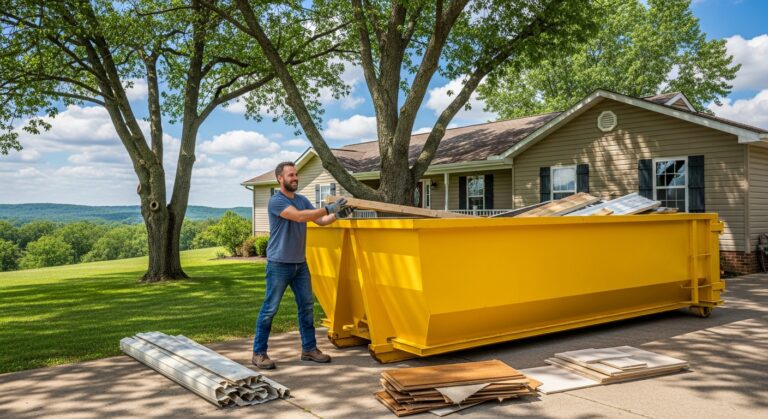
Proper placement is about more than just convenience. It’s about safety, accessibility, and protecting your property. You must ensure there is clear, unobstructed overhead access for the delivery truck’s arm to drop off and pick up the container. This means being mindful of tree limbs, power lines, and roof overhangs. The ground must be firm; soft lawns can be damaged by the weight of a loaded dumpster. If placing on a driveway, consider using wooden boards underneath the dumpster’s corners to help distribute the weight and prevent cracking or gouging the pavement. Clear communication with your rental company about the exact drop-off location can prevent delays and extra charges for a second trip.
Cost Factors and How to Get an Accurate Quote
The cost of a Mountain Home dumpster rental isn’t a single flat fee. Several variables influence the final price, and understanding these will help you budget accurately and avoid surprise charges. The primary cost drivers are the dumpster size, rental period, type of debris, and your delivery location. A standard rental period is usually 7-10 days, and going beyond that will incur daily overage fees. The type of waste is critical; standard construction and household debris are typically included in the base rate, but special materials require special handling.
To get the most accurate and transparent quote, be prepared to provide specific details when you call or fill out an online form. Reputable local companies will ask a series of questions to build your quote. Here are the key pieces of information you should have ready:
- Project Type: Clearly describe the work (e.g., kitchen remodel, roof replacement, estate cleanout).
- Material List: Be as specific as possible about what you’re throwing away (drywall, lumber, old furniture, concrete tiles).
- Desired Dumpster Size: Based on your project assessment, specify the size you think you need.
- Exact Delivery Address: This allows the company to calculate travel and potential permit needs.
- Preferred Rental Duration: How many days you anticipate needing the container.
Always ask what is included in the quoted price. A trustworthy quote will cover the delivery, pickup, disposal fees for a set weight limit, and the rental period. Crucially, ask about potential extra fees for exceeding the weight limit, going over the rental period, or disposing of prohibited items. Getting this in writing ensures you’re comparing apples to apples when evaluating different Mountain Home dumpster services.
Prohibited Items and Responsible Disposal
Dumpsters are designed for construction, demolition, and general household debris, but they are not catch-all bins for hazardous or regulated materials. Federal, state, and local landfill regulations strictly prohibit certain items from being disposed of in a standard roll-off dumpster. Tossing these items in can result in significant rejection fees from the landfill, which the rental company will almost certainly pass on to you, or even a refusal to pick up the container until the items are removed.
Common prohibited items include hazardous liquids like paint, solvents, and motor oil; automotive batteries; tires; appliances containing refrigerants (freon) like air conditioners and refrigerators; and electronic waste such as TVs and computers. Chemicals, asbestos, and medical waste are also strictly forbidden. These items require special disposal methods. In the Mountain Home area, resources like the Baxter County Recycling Center or scheduled household hazardous waste collection events are the proper channels for these materials. Planning for the separation and proper disposal of prohibited items from the start of your project is a key part of responsible waste management and will keep your rental costs predictable.
Maximizing Your Dumpster Rental Experience
With the dumpster delivered and your project underway, a few best practices can help everything run smoothly. First, think about loading strategy. Start by placing flat, bulky items like plywood or drywall at the bottom to create a stable base. Distribute weight evenly as you fill. Break down large items whenever possible; disassembling an old wooden fence or flattening cardboard boxes creates significantly more space. Avoid overfilling the container; debris should not extend above the top of the dumpster’s walls. This is a major safety hazard during transport and is typically against rental rules, potentially incurring an overfill fee or requiring you to remove excess material.
Finally, build a positive relationship with your local rental provider. Clear communication about any changes to your schedule or needs is essential. If you realize you need more time or a different size, call them as soon as possible. Many companies in Mountain Home are family-owned and value customer service. By being a prepared and communicative customer, you ensure a hassle-free experience that allows you to focus on the project itself, not the pile of debris it creates. The goal is to complete your home improvement, construction, or cleanup project with efficiency, safety, and environmental responsibility, leaving your Mountain Home property better than you found it.