Managing household waste effectively is a cornerstone of community living, impacting everything from curb appeal to local environmental health. For residents and property managers in Marion, navigating the specifics of local trash management is essential for compliance, cost savings, and contributing to a cleaner city. This comprehensive guide provides clarity on Marion’s waste services, offering practical advice to streamline your disposal routine and maximize recycling efforts.
Understanding Marion’s Trash Collection Services
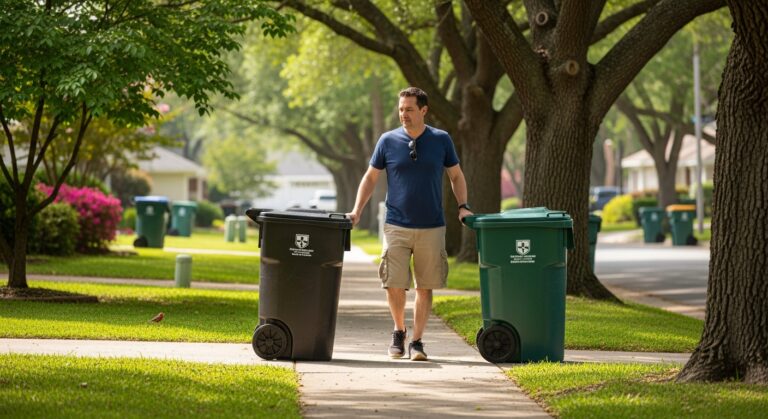
Marion’s trash management system is typically handled through a municipal contract or a designated service provider, which establishes the rules and schedules for all residential customers. The first step in mastering your waste routine is to understand the fundamental service parameters. Collection days are assigned by neighborhood, and it is crucial to know your specific day to avoid missed pickups. Most services enforce strict rules regarding the placement of carts: they must be at the curb by a designated time (often 6:00 or 7:00 AM) and should be spaced several feet apart from each other and from mailboxes, cars, or other obstacles. Failure to follow these guidelines can result in a skipped collection.
Accepted materials generally include standard household bagged trash. However, there are critical prohibitions. Most services strictly forbid hazardous waste, such as paints, chemicals, batteries, and motor oil, in regular trash. Construction debris, large appliances, and electronics (e-waste) are also typically not collected with weekly trash and require special arrangements. Understanding what not to put in your bin is as important as knowing your collection day, as improper items can lead to contamination fines or damage to collection vehicles.
For items beyond the scope of weekly trash, Marion usually provides bulk item collection, but the process is often structured. This may require scheduling a special pickup in advance, often for a fee, or may be limited to specific “heavy trash” days held monthly or quarterly. Common bulk items include furniture, mattresses, and large non-electronic household items. Always contact your local Marion public works department or waste hauler directly to confirm the exact procedure, as assuming bulk items will be taken can lead to unpleasant surprises and unsightly piles at the curb.
Mastering Recycling in Marion: Rules and Best Practices
An effective recycling program is a shared responsibility between the city and its residents. Marion’s recycling guidelines are designed to ensure that collected materials are clean and marketable, reducing contamination that can send entire loads to the landfill. The cardinal rule is “when in doubt, throw it out.” Placing a non-recyclable item in the recycling bin with good intentions can do more harm than good.
Commonly accepted materials in single-stream recycling (where all recyclables go in one bin) include corrugated cardboard (flattened), paper, steel and aluminum cans, and plastic bottles and jugs with necks. A critical point of confusion is plastic containers. While many bear a recycling symbol, only specific shapes and resin types are accepted. Plastic bags and films are never accepted in curbside bins—they tangle sorting machinery. These should be taken to designated drop-off locations, often found at grocery stores.
To significantly improve the quality of Marion’s recycling stream, follow these essential preparation steps:
- Empty and Rinse: All containers must be free of food residue. A quick rinse saves the material from being deemed contaminated.
- Keep It Loose: Never bag your recyclables. Place all items loose in the cart so sorting facility workers and machines can process them.
- Flatten Cardboard: Breaking down boxes saves immense space in your cart and in the collection truck, making the system more efficient.
- Know the Nos: Ceramics, glassware, plastic utensils, Styrofoam, and greasy pizza boxes are common contaminants to keep out of the bin.
Adhering to these practices ensures that your efforts to recycle are effective and support the economic viability of the local recycling program. Contaminated loads are costly for the city and can undermine sustainability goals.
Special Waste Streams and Disposal Solutions
Responsible Marion trash management extends beyond the weekly bin. Several categories of waste require special handling to protect sanitation workers, the environment, and public health. Knowing where to take these items is a key part of being a conscientious resident. Hazardous household waste (HHW), including oil-based paints, solvents, pesticides, and fluorescent bulbs, must never be placed in regular trash. Marion typically hosts periodic HHW collection events or maintains a permanent drop-off facility for these toxic materials.
Yard waste is another distinct stream. Many municipalities, including Marion, offer separate collection for grass clippings, leaves, and brush, often during specific seasons. This material is composted rather than landfilled. Rules often require it to be placed in paper bags or dedicated containers—plastic bags are prohibited. For larger branches or tree limbs, there are usually size limitations and bundling requirements.
For electronics (e-waste), appliances, and construction debris, residents generally have a few options. The city may sponsor collection events, local retailers may offer take-back programs for electronics, or private waste transfer stations and haulers will accept these materials for a fee. Proactively researching these options for your next renovation or appliance upgrade prevents illegal dumping and ensures proper disposal. A simple framework for handling special waste is: 1) Identify the waste type (hazardous, yard, bulk, e-waste), 2) Check the city’s official website or call public works for sanctioned disposal methods, and 3) Schedule and prepare the items according to the specified guidelines.
Optimizing Your Home Waste System and Reducing Costs
Efficient trash management starts at home. By optimizing your internal system, you can reduce clutter, minimize odors, and potentially lower your waste-related costs. Begin by evaluating your household’s waste generation. If you frequently find your trash or recycling cart overflowing before collection day, it might be worth auditing what you’re throwing away. Significant portions of household waste are compostable organics or recyclables.
Investing in a set of well-labeled, dedicated bins for your kitchen or garage can streamline sorting. A simple setup with containers for trash, recycling, and possibly compost (if you backyard compost) makes correct disposal the easy choice for everyone in the household. For properties with multiple units, such as duplexes or small apartment buildings, clear communication of guidelines to tenants is essential. Providing written instructions and labeled bins can dramatically reduce contamination and service issues.
Reducing waste at the source is the most effective cost-saving and environmental strategy. Consider reusable alternatives to single-use items, buy in bulk to reduce packaging, and choose products with recyclable packaging. For homeowners undertaking renovations, renting a dumpster from a licensed hauler is often more cost-effective and compliant than attempting to dispose of construction debris through weekly trash service, which is usually prohibited. Proactive planning with your local Marion waste service provider for special needs can prevent unexpected fees and ensure your project runs smoothly.
Effective waste management in Marion is a collaborative effort that benefits from informed participation. By understanding the local rules, preparing materials correctly, and utilizing special disposal options for problematic waste, residents contribute directly to a cleaner, more sustainable, and more efficient community. The key is to view your household not just as a generator of waste, but as the first critical station in the city’s overall waste management system.