After a major project, disaster, or years of accumulation, the sight of piled debris can feel overwhelming. Whether it’s the aftermath of a home renovation, storm damage, or a deep property cleanout, the question shifts from how to create the mess to how to make it disappear safely, efficiently, and in compliance with local regulations. This is where understanding the scope and value of a professional debris removal service becomes critical. Far more than just a truck and some labor, these services provide a systematic approach to waste management that protects your property, your time, and the environment. Knowing exactly what materials they handle, and perhaps more importantly, what they don’t, is the first step to a seamless and stress-free cleanup.
Defining the Scope of Debris Removal Services
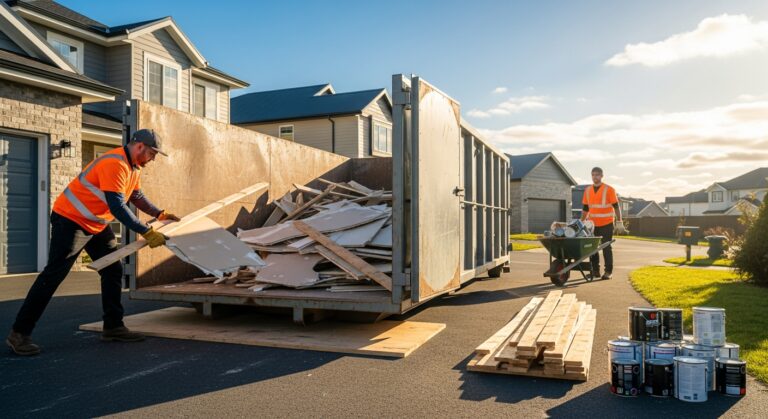
Professional debris removal encompasses the collection, transportation, processing, and disposal of unwanted materials from residential, commercial, and industrial sites. Unlike standard trash collection, these services are designed for volume, handling the large quantities of waste generated by specific events or projects. A key component often involves the strategic use of temporary debris removal containers, which are placed on-site to consolidate materials before final haul-away. This method keeps the work area organized and can significantly accelerate the cleanup timeline.
The versatility of these services is one of their primary benefits. For a homeowner, it might mean clearing out a cluttered garage, old fencing, or a fallen tree. For a contractor, it involves daily pickups of construction waste like drywall, lumber, and concrete to keep a job site safe and productive. The common thread is the removal of bulk items or aggregated waste that falls outside the scope of regular municipal pickup. A professional service brings the equipment, manpower, and expertise to manage this waste stream from your property directly to the appropriate processing or disposal facility, navigating the complexities of landfill rules, recycling opportunities, and hazardous material segregation that most individuals are not equipped to handle.
Common Materials Handled by Removal Experts
Most reputable debris removal companies are equipped to manage a wide array of common waste materials. Their processes typically involve sorting to divert as much as possible from landfills, aligning with growing sustainability goals. Generally, you can expect a professional service to readily accept and properly dispose of the following categories.
- Construction and Demolition Debris: This includes non-hazardous materials like wood, drywall, roofing shingles, concrete, bricks, and tiles. These materials are often sorted for recycling.
- Yard Waste: Tree branches, stumps, grass clippings, leaves, and other organic landscaping debris. Many services chip or compost this material.
- General Household Junk: Furniture, mattresses, carpets, appliances (often requiring Freon removal first), and other bulky items that don’t fit in standard trash cans.
- E-Waste: Televisions, computers, and other electronics, which require special handling to recover precious metals and prevent toxic materials from leaching into landfills.
- Cleanout Debris: General waste from estate cleanouts, basement clearing, or moving, which may be a mix of the above categories.
It’s essential to communicate the nature of your debris when booking the service. This allows the company to bring the right size container or truck and ensure they have the proper permits and disposal pathways lined up. For instance, concrete disposal is different from wood disposal. Transparency leads to accurate pricing and efficient service. As highlighted in our resource on choosing the right debris removal containers, matching the container type to your specific waste stream is a fundamental step for project efficiency and cost control.
Understanding Prohibited and Hazardous Materials
Just as critical as knowing what a service will take is knowing what it absolutely cannot accept. These restrictions are not arbitrary; they are enforced by federal, state, and local laws governing transportation and disposal. Attempting to dispose of these materials improperly through a standard debris service can result in significant fines, environmental harm, and liability for both you and the service provider. The following items are almost universally prohibited by standard debris removal companies.
- Chemicals and Hazardous Liquids: Paint, solvents, pesticides, herbicides, motor oil, antifreeze, and pool chemicals.
- Biological and Medical Waste: Needles, syringes, pharmaceuticals, or any waste generated from medical treatment.
- Asbestos-Containing Materials: A highly regulated carcinogen requiring licensed abatement professionals.
- Lead-Based Materials: Often found in old paint or certain construction components.
- Pressurized Tanks: Propane tanks, fire extinguishers, and refrigerant cylinders.
- Batteries: Particularly car batteries and lithium-ion batteries.
If your project involves any of these materials, you must seek a specialized disposal service. Your local waste authority or environmental protection department can provide guidance on designated drop-off locations or licensed hazardous waste haulers. A professional debris removal company will ask specific questions to screen for these items because their responsible handling is a cornerstone of professional operation and community safety.
The Process and Benefits of Hiring Professionals
Engaging a professional service transforms a chaotic task into a managed project. The process typically begins with an on-site or virtual assessment and quote, where the scope of work is defined. Next, a schedule is set for container delivery or crew arrival. The service team then handles all the heavy lifting, loading, and sorting. Finally, they transport the debris for proper disposal, leaving your property clean and clear. This end-to-end management offers tangible benefits that go far beyond simple convenience.
First, it eliminates physical risk. Removing heavy, awkward, or potentially sharp objects poses a significant injury hazard to untrained individuals. Professionals use proper techniques and equipment. Second, it saves immense time and effort. What might take a homeowner multiple weekends and trips to the dump can be accomplished by a crew in a matter of hours. Third, it ensures regulatory compliance. Reputable services are knowledgeable about local dumping fees, prohibited items, and recycling mandates, shielding you from unintentional violations. Finally, it promotes environmental responsibility. A key service differentiator is how much material they divert from landfills through recycling centers, wood chippers, and metal scrap yards. This sustainable approach is an integral part of modern debris management.
When selecting a provider, look for licensed and insured companies with transparent pricing. Beware of quotes that seem too good to be true, as they may involve illegal dumping or hidden fees. Read reviews and ask about their sorting and disposal practices. A trustworthy company will be clear about what they do with your waste and proud of their environmental stewardship. This due diligence ensures the job is done right, from start to finish.
Navigating a major cleanup requires more than just a strong back; it requires the right strategy and partners. A professional debris removal service provides the expertise, equipment, and ethical framework to handle your waste responsibly. By clearly understanding the materials they manage and the strict lines they must draw for hazardous items, you can plan your project effectively. The result is a safer property, a cleared conscience, and the invaluable return of your time and peace of mind.