Planning a major home renovation, a landscaping overhaul, or a deep basement cleanout? The biggest logistical hurdle often isn’t the work itself, but figuring out what to do with all the debris. Renting a dumpster is the most efficient solution for managing large volumes of waste, but the process involves more than just making a phone call. A successful rental ensures your project stays on schedule, within budget, and compliant with local regulations, transforming a chaotic mess into a streamlined operation.
Understanding Dumpster Types and Sizes
Not all dumpsters are created equal, and selecting the right one is the most critical step in the rental process. The common “roll-off” dumpster you see at construction sites is just one option, designed for heavy debris and delivered on a specialized truck. For lighter, ongoing waste from a business or a multi-family residence, a front-load or rear-load commercial dumpster service might be more appropriate. This guide focuses primarily on roll-off dumpsters, the go-to choice for temporary, high-volume projects. The key to a cost-effective and hassle-free experience is matching the dumpster’s capacity to your specific waste stream.
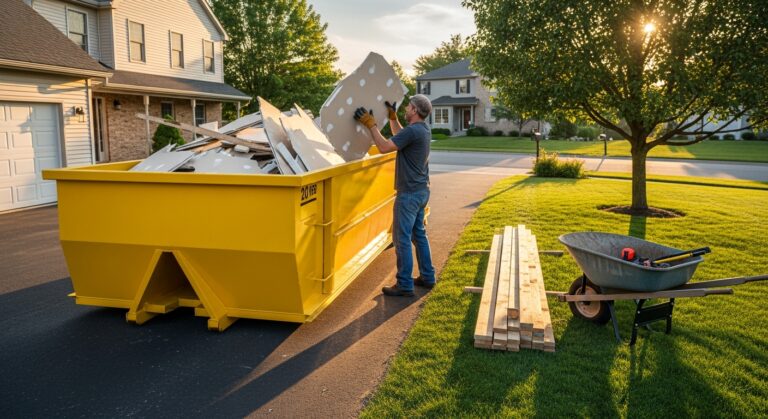
Sizes are typically measured in cubic yards, which refers to volume. Common residential and light commercial sizes range from 10-yard containers, ideal for small bathroom remodels or garage cleanouts, to massive 40-yard dumpsters suited for whole-house renovations or new construction. A 20-yard dumpster is often considered the sweet spot for larger home projects like roof replacements or major kitchen overhauls. Visualizing these sizes can be tricky: a 10-yard dumpster holds about the equivalent of 3-4 pickup truck loads, while a 40-yarder can handle roughly 12-16 truckloads. Underestimating leads to needing a second rental and paying double delivery fees; overestimating means paying for unused space.
The Step-by-Step Rental Process
Renting a dumpster is a straightforward process when you know what to expect and what questions to ask. Begin by thoroughly assessing your project. Create a detailed list of the materials you’ll be disposing of, as this directly impacts the dumpster size you need and the rental company’s pricing. Next, you must identify a suitable placement location on your property. The dumpster needs a flat, solid surface like a driveway, and you must ensure there is clear overhead access free from power lines or tree limbs for the delivery truck.
With your project scope defined, it’s time to contact reputable dumpster rental companies for quotes. Be prepared to provide specific details. A clear and accurate description allows the company to recommend the right size and provide a transparent, all-inclusive price. Understanding the fine print in the rental agreement is non-negotiable. Key elements to scrutinize include the rental period length (often 7-10 days), the included weight allowance (tons), what materials are prohibited (like hazardous waste, tires, or appliances), and the costs for exceeding the rental period or weight limit. For a deeper dive into preparing for delivery and placement, our guide on how to rent a roll off dumpster for any project offers valuable on-site tips.
Prohibited Items and Responsible Disposal
A critical and often overlooked aspect of renting a dumpster is knowing what you cannot throw away. Dumpster rental companies are bound by strict landfill regulations, and placing prohibited materials in the container can result in significant additional fees or refusal to haul it away. Generally, any item considered hazardous to people or the environment is banned. Common prohibited items include:
- Hazardous Chemicals: Paints, stains, solvents, pesticides, and automotive fluids.
- Electronics (E-Waste): Televisions, computers, monitors, and batteries.
- Appliances with Refrigerants: Refrigerators, air conditioners, and freezers must have freon properly removed by a certified technician.
- Tires and Automotive Parts: These require specialized recycling processes.
- Medical Waste or Asbestos: These demand professional, licensed hazardous material handling.
If your project will generate any of these materials, you must plan for separate disposal. Contact your local waste authority for household hazardous waste collection days or seek out specialized recycling centers. Proper planning here prevents last-minute scrambling and unexpected costs.
Maximizing Value and Avoiding Hidden Fees
The lowest quoted price is not always the best value. A transparent dumpster rental company will provide an upfront, all-inclusive quote that covers delivery, pickup, disposal fees for a specified weight, and the rental period. Be wary of quotes that seem too good to be true, as they may hide fees that appear on the final bill. To protect your budget, ask direct questions about potential extra charges. What is the cost per ton if I exceed the weight limit? What is the daily fee if I need to keep the dumpster longer than the agreed rental period? Are there fees for specific types of debris, like concrete or roofing shingles?
You can maximize the space in your dumpster and potentially control costs by loading it strategically. Break down large items like furniture or cardboard boxes to create more usable space. Distribute weight evenly by placing heavy, dense materials like bricks or dirt at the bottom and lighter, bulkier items on top. Never overfill the container above the top of its walls, as this is a safety hazard and will likely result in an overflow fee or the driver refusing to haul it. By loading efficiently and understanding the fee structure, you turn a simple rental into a smart project management tool.
Whether you’re a homeowner tackling a DIY renovation or a contractor managing a job site, the right dumpster rental strategy keeps your workspace safe, clean, and productive. It eliminates countless trips to the landfill, allows your team to focus on the task at hand, and provides a centralized, responsible point for all project waste. By taking the time to understand sizes, processes, restrictions, and costs, you ensure this vital service supports your project’s success from start to finish.