Starting a major cleanout, renovation, or construction project is exciting, but the mountain of debris it creates can quickly become a daunting obstacle. Figuring out how to efficiently and legally dispose of all that waste is a critical, yet often overlooked, step in project planning. This is where understanding and utilizing local dumpster rentals becomes your most powerful tool. Renting a dumpster from a provider in your community streamlines the entire cleanup process, saving you time, money, and significant hassle. This guide will walk you through everything you need to know to make an informed decision, from selecting the right size to navigating local regulations and avoiding hidden fees.
Understanding Dumpster Rental Sizes and Common Projects
One of the most common mistakes people make is renting a dumpster that is either too small, leading to overflow and extra charges, or too large, resulting in wasted money. Dumpster sizes are typically measured in cubic yards, which refers to the volume of material they can hold. Choosing correctly depends entirely on the scope and nature of your project. It is always better to slightly overestimate than to run out of space mid-project, as most companies charge a premium for overage fees or require a second rental.
For smaller residential jobs, a 10-yard dumpster is an excellent choice. This size is perfect for garage or basement cleanouts, small bathroom remodels, or landscaping debris from a yard refresh. It is compact enough to fit in a driveway without taking up excessive space. A 20-yard dumpster is arguably the most versatile and popular size for local dumpster rentals. It is ideal for larger home renovation projects, such as kitchen remodels, roof replacements (with lighter materials like asphalt shingles), or clearing out a whole house. It provides ample space for mixed debris without being overwhelmingly large.
For serious construction, major demolition, or large-scale property cleanouts, you will need to look at the 30-yard and 40-yard containers. These are the workhorses for new home construction, large addition projects, or commercial jobs. They can handle heavy materials like concrete, brick, and dirt, though weight limits are crucial here. Understanding these size categories is the first step to a successful rental. For a deeper dive into matching dumpster sizes to specific project types, including construction scenarios, our resource on efficient dumpster rentals for construction and cleanups offers detailed comparisons and tips.
The Step-by-Step Process of Renting a Dumpster
Renting a dumpster is a straightforward process when you know what to expect. Following a clear sequence will ensure a smooth experience from booking to pickup.
- Assess Your Project and Estimate Volume: Walk the project area and make a realistic list of all materials you will be disposing of. Be honest about the quantity. When in doubt, consult with the rental company, as they have extensive experience estimating volume.
- Research and Contact Local Providers: Look for companies with strong local reputations. Read reviews, check their business licenses, and ensure they service your specific zip code. Contact at least two or three for quotes to compare pricing and service.
- Ask the Right Questions: When you call, do not just ask for price. Inquire about the rental period (typically 7-10 days), included weight limits, prohibited items (like tires, chemicals, or appliances), and potential extra fees for permits, overages, or extended rental days.
- Prepare the Delivery Site: Ensure there is a clear, flat, and hard surface for the dumpster, such as a driveway or approved spot on the street. Clear the area of vehicles, low-hanging tree branches, and other obstacles. If placing on the street, you will likely need a permit from your city.
- Load the Dumpster Efficiently and Safely: Distribute weight evenly and break down large items to maximize space. Never overfill the container above the top of its walls, as this is a safety hazard and will result in refusal of pickup or extra fees.
- Schedule Pickup: Contact the company to schedule removal once your project is complete or your rental period is ending.
Key Factors That Influence the Cost of Your Rental
The price of a local dumpster rental is not a single flat fee, it is a sum of several variables. Understanding these components will help you budget accurately and avoid surprise invoices. The primary cost driver is the dumpster size, with larger containers commanding a higher base rate. Your location plays a significant role, as pricing varies by region, city, and even the specific disposal fees at the local landfill or recycling center the company uses.
Rental duration is another critical factor. Most companies include a set period (e.g., 7 days) in the base price, with daily fees applying after that. The type of debris you are disposing of directly affects the cost due to weight limits and disposal fees. Heavy debris like concrete, dirt, or roofing shingles is much denser than household junk or wood. Exceeding the included weight allowance will incur overage charges, which can be substantial. Always discuss the nature of your debris in detail when getting a quote.
Additional fees can include delivery and pickup charges, though these are often bundled into the quote. Permit fees, required if the dumpster will be placed on public property like a street, are almost always the customer’s responsibility. Finally, prohibited items, if discovered in the dumpster, can lead to rejection or large surcharges. A transparent local dumpster rental company will explain all these potential costs upfront.
Prohibited Items and Responsible Disposal Practices
Dumpsters are designed for construction debris and bulk waste, not for hazardous or environmentally sensitive materials. Every rental company and local landfill has a strict list of items that cannot be placed in a standard roll-off dumpster. Disposing of these items improperly can result in significant fines for both you and the rental company. Common prohibited items include: batteries, paint and solvents, chemicals and pesticides, automotive fluids, tires, appliances containing refrigerants (like Freon), propane tanks, and electronic waste (e-waste) such as TVs and computers.
These materials require special handling and recycling pathways. Your local waste management authority or the dumpster rental company can often direct you to proper disposal facilities for these items. Adhering to these rules is not just about avoiding fees, it is a critical part of environmental stewardship. Responsible disposal ensures harmful substances do not contaminate soil and groundwater, and that recyclable materials are processed correctly.
Maximizing Value and Avoiding Common Pitfalls
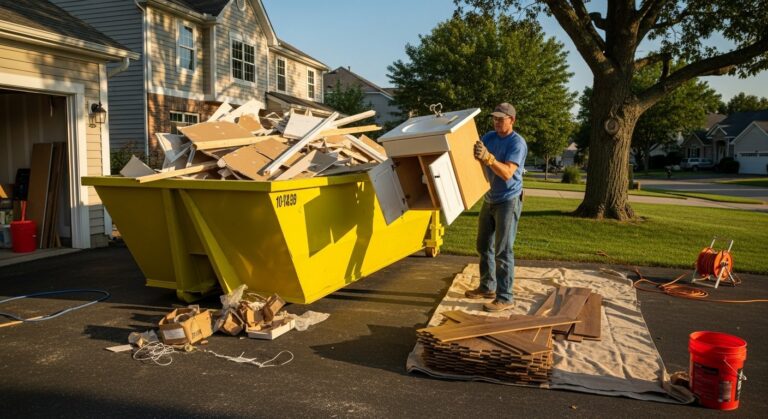
To get the most out of your local dumpster rental experience, a bit of strategy goes a long way. First, plan your project timeline to make efficient use of the rental period. Have your debris ready to load as soon as the dumpster arrives. When loading, break down all boxes and furniture, and place flat items like plywood or drywall at the bottom to create a stable base. Distribute heavier materials evenly and avoid creating piles that exceed the container’s walls.
Communication with your rental provider is essential. Be explicit about your project details. If your scope changes mid-rental (for example, you discover more demolition debris than anticipated), contact the company immediately to discuss options, which may include upgrading to a larger container. This is far cheaper than paying massive overage fees later. Finally, always get a detailed, written quote or contract that outlines the total price, rental terms, weight allowance, and a clear list of any potential additional charges. A reputable local company will have no issue providing this transparency.
Navigating a home renovation or large cleanup is challenging enough without the added stress of waste management. By partnering with a reliable local dumpster rental service, you turn a complex logistical problem into a simple, scheduled part of your project. The right container, placed conveniently at your site, empowers you to work efficiently, maintain a safer worksite, and finish the job with a clean slate. With the knowledge of sizes, costs, rules, and best practices, you are now equipped to make a smart choice that keeps your project on track and on budget.