Managing waste on a commercial construction site or renovation project in Arkansas requires more than just a standard trash can. Large-scale debris from demolition, framing, roofing, or interior build-outs demands a reliable removal system that keeps your crew safe, your timeline on track, and your site compliant with local regulations. That is where a commercial dumpster rental becomes an essential tool for general contractors, property managers, and business owners across the Natural State.
Choosing the right dumpster size, understanding permit requirements for placement on public property, and coordinating pickup schedules can feel overwhelming if you are new to commercial waste management. This guide breaks down everything you need to know about commercial dumpster rental in Arkansas, from sizing and pricing to environmental considerations and practical logistics. Whether you are managing a large-scale commercial build or a multi-unit residential renovation, these insights will help you make informed decisions that save time and money.
Why Commercial Projects Require Specialized Dumpster Solutions
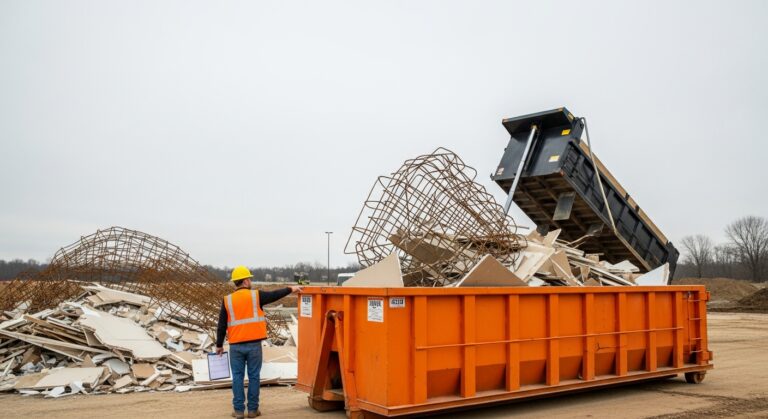
Residential dumpsters are designed for household clutter, yard waste, and small remodeling jobs. Commercial dumpster rental in Arkansas, however, handles heavier loads, higher volumes, and stricter disposal requirements. Construction debris like concrete, asphalt, drywall, lumber, and metal can quickly exceed the weight limits of a standard residential roll-off. Using a commercial-grade container ensures you avoid overweight fees and safety hazards.
Another critical difference is the frequency of service. Commercial projects often generate waste daily. A dumpster that sits for a week without being emptied can create bottlenecks that slow down the entire job. Professional rental providers offer flexible schedules, including same-day swaps or multiple pickups per week, to keep your site clean and productive. Additionally, commercial dumpsters come in larger sizes, typically ranging from 20 to 40 cubic yards, which means fewer trips to the landfill and lower overall costs per ton of waste removed.
Understanding Dumpster Sizes for Commercial Work
Selecting the correct container size is one of the most important decisions you will make when arranging commercial dumpster rental in Arkansas. An undersized dumpster leads to overflow, extra pickups, and wasted time. An oversized dumpster takes up valuable space on your site and may cost more than necessary. Below is a breakdown of the most common sizes used in commercial settings.
20-Yard Dumpsters
The 20-yard dumpster is a versatile option for mid-sized projects like office renovations, retail build-outs, and light demolition. It holds roughly 110 to 130 standard trash bags or about 6 pickup truck loads of debris. This size works well for drywall, wood, metal, cardboard, and mixed construction waste. It fits comfortably in most parking lots or staging areas without obstructing traffic flow.
30-Yard Dumpsters
For larger commercial projects such as new construction of a small warehouse, a 30-yard dumpster provides the extra capacity needed for bulkier materials like lumber, roofing shingles, and concrete rubble. This container holds approximately 170 to 190 trash bags or 9 pickup truck loads. It is a popular choice for contractors who need to dispose of heavy materials but still require a container that fits within standard site dimensions.
40-Yard Dumpsters
The 40-yard dumpster is the largest standard roll-off container available. It is ideal for major commercial construction, large-scale demolitions, and industrial cleanouts. It holds about 230 to 250 trash bags or 12 pickup truck loads. This size is often used for projects involving steel framing, concrete foundations, and extensive site clearing. Keep in mind that a 40-yard dumpster requires significant space for delivery and pickup, so confirm your site access before ordering.
Permits and Regulations for Commercial Dumpster Placement in Arkansas
Placing a dumpster on private property such as your construction site or business lot typically does not require a permit. However, if the dumpster needs to sit on a public street, sidewalk, or alley, you must obtain a permit from the local city or county government. In Arkansas, regulations vary by municipality. For example, Little Rock, Fayetteville, and Fort Smith each have their own rules regarding dumpster placement, duration, and safety markings.
Most permits require you to display reflective cones or barricades around the dumpster, especially if it extends into a traffic lane. Some cities also restrict dumpster placement during certain hours or require a bond to cover potential damage to public infrastructure. When you book commercial dumpster rental in Arkansas, ask your provider whether they handle permit applications or if you need to apply separately. Many reputable companies offer permit assistance as part of their service, which can save you a trip to city hall.
Pricing Factors for Commercial Dumpsters
Cost is always a major consideration. Commercial dumpster rental in Arkansas is priced based on several variables, including dumpster size, rental duration, type of waste, and disposal fees at the local landfill. Most providers charge a flat rate that includes delivery, pickup, and a base tonnage allowance. If you exceed that weight limit, you will pay an overage fee per ton. Heavy materials like concrete, brick, and dirt escalate costs quickly, so it is wise to estimate your waste weight accurately.
Another factor is the rental period. Standard commercial rentals run from 7 to 14 days. Extending beyond that window usually incurs daily or weekly fees. If your project timeline is uncertain, negotiate a flexible rental agreement upfront. Some companies offer month-to-month pricing for ongoing construction or industrial operations. Also, ask about discounts for multiple dumpsters or long-term contracts. Many Arkansas providers give volume pricing to contractors who manage several projects simultaneously.
Finally, be aware of prohibited items. Hazardous materials like paint, solvents, batteries, tires, and asbestos cannot go into a standard commercial dumpster. Disposing of these items improperly can result in fines or additional charges. Your rental agreement will list accepted and prohibited materials. If your project generates hazardous waste, you will need to arrange separate disposal through a specialized service.
Environmental Benefits of Proper Commercial Waste Management
Arkansas is home to beautiful natural landscapes, from the Ozark Mountains to the Mississippi Delta. Responsible waste disposal protects these resources and supports community sustainability. When you choose commercial dumpster rental in Arkansas, you are not just clearing debris. You are contributing to a system that sorts recyclable materials like metal, cardboard, and wood from landfill-bound waste. Many dumpster providers partner with recycling facilities to divert tons of construction material from landfills each year.
In fact, some commercial projects can recycle up to 70 percent of their waste when proper separation practices are followed. For example, clean wood can be ground into mulch or biomass fuel. Scrap metal is sold to smelters for reuse. Concrete and asphalt are crushed and repurposed as road base or aggregate. By working with a dumpster company that prioritizes recycling, you reduce your project’s environmental footprint and may even qualify for green building certifications like LEED.
Choosing a Reliable Commercial Dumpster Provider in Arkansas
Not all dumpster rental companies are created equal. When evaluating providers for commercial dumpster rental in Arkansas, look for experience, equipment quality, and customer service. A company that has served Arkansas for years understands local landfill regulations, traffic patterns, and weather challenges. They will have well-maintained trucks and containers that meet safety standards. They should also offer transparent pricing with no hidden fees.
Ask about their response time for emergencies. If a dumpster fills up faster than expected or a container gets damaged, you need a provider who can act quickly. Read online reviews and ask for references from other commercial clients. A reliable company will be happy to provide testimonials or case studies. Also, confirm that they carry liability insurance and workers’ compensation coverage. This protects you if an accident occurs during delivery or pickup.
For a deeper look at how a specific Arkansas city handles commercial waste logistics, check out our guide on Commercial Dumpster Rental in Batesville, AR: Key Tips. That resource covers local ordinances and practical advice for contractors working in that region.
Step-by-Step Process for Renting a Commercial Dumpster
Renting a commercial dumpster in Arkansas follows a straightforward process, but attention to detail makes the difference between a smooth experience and a frustrating one. Follow these steps to ensure success.
- Assess your waste volume and type. Walk your job site and estimate the total cubic yards of debris. Note any heavy materials like concrete or metal that will affect weight limits.
- Choose the right dumpster size. Use the size descriptions above to match your project’s needs. When in doubt, size up. Overflowing dumpsters create safety hazards and may violate permit conditions.
- Check site access. Measure the width and height of gates, doorways, and overhead obstructions. Dumpster delivery trucks need at least 60 feet of straight-line access and 14 feet of vertical clearance.
- Determine placement location. Decide whether the dumpster will sit on private property or public right-of-way. If public, apply for the necessary permit well in advance.
- Get a quote. Contact at least three providers. Compare their rates, weight allowances, rental periods, and included services. Ask about recycling programs and disposal fees.
- Schedule delivery and pickup. Coordinate delivery to arrive before you start generating waste. Set a pickup date that aligns with your project timeline, and communicate any changes promptly.
- Load the dumpster correctly. Distribute weight evenly and do not fill the container above the rim. Keep prohibited items out to avoid penalties.
- Confirm pickup. On the scheduled day, ensure the dumpster is accessible and free of obstructions. Be present or have a representative available to handle any issues.
Common Mistakes to Avoid with Commercial Dumpster Rentals
Even experienced contractors sometimes make errors when ordering dumpsters. Avoiding these pitfalls will keep your project on budget and on schedule.
Underestimating weight. Heavy debris like concrete and dirt can push you over the weight limit quickly. Always overestimate when calculating tonnage. If you are unsure, ask your provider for a weight estimate based on the materials you plan to dispose of.
Ignoring local regulations. Failing to secure a permit for street placement can result in fines and forced removal of the dumpster. This disrupts your workflow and adds unexpected costs. Check with city officials or your rental company about permit requirements before delivery.
Waiting too long to schedule pickup. A full dumpster sitting on site for days slows down progress and creates an eyesore. Plan your pickup date based on the fastest waste generation phase of your project. If you finish early, call for an early pickup. Many providers accommodate schedule changes with advance notice.
Mixing prohibited materials. Throwing hazardous waste into a commercial dumpster can lead to fines, environmental damage, and liability issues. Train your crew on what can and cannot go into the container. Post a list near the dumpster for easy reference.
Seasonal Considerations for Arkansas Commercial Projects
Arkansas experiences hot, humid summers and occasional winter ice storms. These weather patterns affect commercial dumpster usage. In summer, organic waste like food scraps or wet construction debris can generate odors and attract pests. If your project includes such materials, schedule more frequent pickups or request a sealed lid. In winter, snow and ice can make dumpster access dangerous. Ensure your site is clear and sanded around the dumpster area to prevent slips and falls.
Additionally, heavy rain can soak lightweight debris like cardboard and drywall, increasing its weight and potentially causing overflow. Cover open dumpsters with a tarp if rain is forecast. This simple step prevents waterlogged waste from pushing you over your weight allowance.
Final Thoughts on Commercial Dumpster Rental in Arkansas
Securing the right dumpster for your commercial project is a strategic decision that impacts safety, efficiency, and cost. By understanding dumpster sizes, permit requirements, pricing factors, and environmental benefits, you position your project for success. Arkansas contractors and business owners who invest time in selecting a reliable dumpster provider and planning their waste management logistics will find that the process pays for itself in reduced delays and cleaner job sites. Whether you are breaking ground on a new building or renovating an existing space, commercial dumpster rental in Arkansas offers the heavy-duty capacity and professional service needed to keep your operation running smoothly.