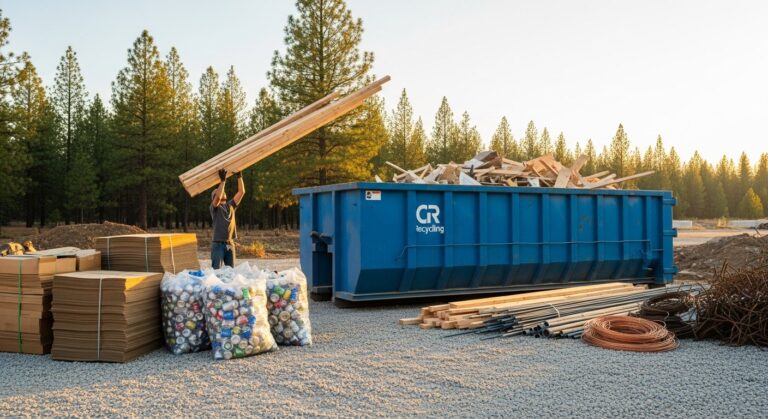
When you tear down a wall, replace a roof, or renovate a kitchen in Arkansas, the pile of debris grows fast. Concrete chunks, scrap lumber, drywall, metal studs, and old wiring stack up quickly. Many contractors and homeowners assume all this waste must go straight to a landfill. But that assumption costs you money and harms the environment. Recycling construction debris in Arkansas through a dedicated dumpster service can cut your disposal costs, reduce landfill strain, and even earn you tax benefits or LEED credits. The key is knowing which materials are recyclable, which dumpster partner handles separation, and how to navigate local regulations.
Arkansas has seen a surge in both residential and commercial construction over the past decade. More projects mean more debris. According to the Arkansas Department of Energy and Environment, construction and demolition (C&D) waste accounts for nearly 25 percent of the state’s total solid waste stream. Much of that debris can be recycled. Yet many haulers still send mixed loads straight to the landfill because sorting is cheaper upfront. That is changing. A growing number of dumpster rental companies now offer recycling-focused services, and some landfills have begun charging lower tipping fees for pre-sorted recyclable loads. Understanding these dynamics helps you make smarter choices for your project and your budget.
In this guide, we walk through the types of construction debris that Arkansas recyclers accept, how to prepare your waste for recycling, and how to choose a dumpster rental that prioritizes recovery over dumping. We also cover cost comparisons, regulatory points, and practical tips for maximizing your recycling rate on any job site.
What Construction Debris Can Be Recycled in Arkansas?
Not all construction waste is created equal. Some materials are highly recyclable, while others are nearly impossible to process. The first step in recycling construction debris in Arkansas is understanding what your local recycler or landfill accepts. Below is a breakdown of common C&D materials and their recycling potential across Arkansas markets.
Concrete, Brick, and Masonry
Concrete is one of the most recyclable materials on a construction site. Recyclers crush concrete into aggregate, which can be used as road base, drainage fill, or new concrete mix. Brick and block can also be crushed and reused. In Arkansas, facilities like the Little Rock Recycling Center and several private yards in Northwest Arkansas accept clean concrete loads. The key word is clean: no rebar, wire mesh, or wood embedded in the concrete. If you separate concrete from other debris, you often pay a lower disposal fee per ton compared to mixed waste.
Wood and Lumber
Untreated, unpainted lumber is a valuable recyclable. It can be chipped into mulch, boiler fuel, or particleboard. Pressure-treated wood, painted wood, and composite decking usually cannot be recycled because of chemical treatments. Arkansas recyclers that accept wood include Fayetteville’s composting facility and some private transfer stations. You need to separate clean wood from treated wood on site. Mixing them contaminates the load and forces the entire batch to the landfill.
Metals
Steel studs, copper wiring, aluminum siding, and cast iron pipes are among the most profitable recyclables. Scrap metal prices fluctuate, but a separate metal pile can sometimes offset your dumpster rental cost. Many Arkansas scrap yards accept construction metals directly, and some dumpster companies will separate metal from your mixed load for a fee. If you generate significant metal waste, consider renting a separate roll-off for metal alone.
Drywall (Gypsum Board)
Drywall recycling is growing in Arkansas but remains limited. Gypsum can be ground into soil amendment or used in new drywall manufacturing. However, most Arkansas landfills still accept drywall as regular waste. A few facilities, such as the Eco-Vista Landfill near Springdale, have started accepting separated drywall for recycling. Check with your local hauler before assuming drywall can be recycled in your area. If recycling is not available, consider using drywall for agricultural soil conditioning if regulations allow.
Asphalt Shingles
Roofing shingles are a major component of construction debris. Recyclers can grind asphalt shingles into material for hot-mix asphalt or road patching. Arkansas has several shingle recycling programs, including the one operated by the Arkansas Department of Transportation in partnership with private recyclers. Shingles must be free of wood, nails, and felt paper. Many dumpster companies offer dedicated shingle dumpsters to keep this material separate.
Cardboard and Packaging
New construction generates massive amounts of cardboard from appliance boxes, fixture packaging, and material deliveries. Cardboard is highly recyclable and often free to drop off at recycling centers. Yet it frequently ends up in construction dumpsters because workers toss it in with mixed waste. Placing a separate cardboard collection bin on site dramatically reduces your dumpster volume and disposal costs.
How to Prepare Your Debris for Recycling
Recycling construction debris in Arkansas starts with smart sorting on the job site. You cannot expect a dumpster company to sort through a mixed load and recycle everything. That process is expensive and inefficient. Instead, follow these steps to maximize your recycling rate and minimize your overall waste bill.
First, create a waste management plan before the project begins. Identify which materials will be generated and confirm which local facilities accept them. Then designate separate collection areas for concrete, metal, clean wood, cardboard, and hazardous waste. Use clearly labeled bins or dumpsters. Train your crew to keep materials separate. A few minutes of training can save hours of sorting later.
Second, consider renting multiple dumpsters or using a roll-off service that offers compartmentalized containers. Some Arkansas dumpster companies now provide single containers with dividers for different material types. This option is ideal for larger projects where space is limited. For smaller jobs, you can schedule separate pickups for different materials. For example, a metal-only pickup every two weeks and a mixed-waste pickup weekly.
Third, understand contamination rules. A recyclable load becomes trash if it contains more than a small percentage of non-recyclable material. For instance, a load of clean wood with 5 percent painted wood may be rejected by the recycler. When in doubt, keep materials separate. It is better to send a small amount of uncontaminated recyclable material to the landfill than to contaminate an entire load and lose the recycling benefit.
Finally, document your recycling efforts. Many Arkansas projects qualify for LEED points, green building certifications, or tax incentives tied to waste diversion. Keep receipts from recyclers, weight tickets, and photos of separated piles. These records can also help you negotiate lower disposal rates with your dumpster provider.
Choosing the Right Dumpster Rental for Recycling
Not every dumpster company in Arkansas offers recycling services. Many simply haul mixed waste to the nearest landfill. If recycling is a priority for your project, you need to ask specific questions before renting. Here are the key factors to evaluate.
- Does the company offer separate containers for different material types? Some providers allow you to rent multiple dumpsters at a discounted rate when you sort on site.
- What is the company’s policy on contaminated loads? If you accidentally mix recyclables with trash, will they still pick it up, or will they charge a penalty?
- Which local recycling facilities does the company use? Ask for specific names. A reputable company should know exactly where each material stream goes.
- Are there volume discounts for pre-sorted recyclable loads? Some Arkansas haulers offer lower per-ton rates for clean concrete, metal, or wood because they avoid landfill tipping fees.
- Does the company provide recycling reports or diversion certificates? This is important for LEED projects or corporate sustainability goals.
Once you have answers to these questions, compare pricing. Recycling-focused dumpster rentals may have slightly higher base rates because the hauler invests in sorting infrastructure and partnerships with recyclers. However, the total cost can be lower because you avoid high landfill tipping fees for heavy materials like concrete. In our guide on Melbourne Arkansas dumpster rental cost guide, we break down how recycling can reduce your overall project waste budget.
Another important consideration is location. Recycling infrastructure in Arkansas is concentrated in the central and northwest regions. If your project is in a rural area like the Delta or the Ozarks, you may have fewer recycling options. In that case, look for a dumpster company that consolidates materials at a central facility before transporting them to a recycler. Some haulers offer this service for an additional fee.
Cost Benefits of Recycling Construction Debris
Many contractors avoid recycling because they assume it costs more. In reality, recycling construction debris in Arkansas can save money in several ways. First, landfill tipping fees for mixed C&D waste in Arkansas range from $35 to $55 per ton, depending on the facility. Clean concrete or metal often has a tipping fee of $10 to $20 per ton at recycling yards. If your project generates 20 tons of concrete, that difference alone saves $300 to $700.
Second, some Arkansas counties offer reduced permit fees or expedited inspections for projects that demonstrate a waste diversion plan. For example, Pulaski County’s green building program includes incentives for recycling at least 50 percent of construction waste. These incentives can offset the cost of renting extra dumpsters.
Third, recyclable materials like metal and clean wood have market value. Scrap metal dealers in Arkansas pay competitive rates for steel, copper, and aluminum. If you separate these materials, you may receive a check instead of paying disposal fees. Even if you do not have time to haul metal to a scrap yard, some dumpster companies will credit your account for the scrap value of metals they recover from your load.
Fourth, reducing waste volume means you may be able to use a smaller dumpster or schedule fewer pickups. A 30-yard dumpster filled with mixed waste might cost $400 to $600. If you recycle 40 percent of that waste, you might fit the remaining trash into a 20-yard dumpster and save $100 to $200 per load.
Finally, recycling can protect you from future liability. Arkansas landfills are filling up. The state’s solid waste management plan projects that several regional landfills will reach capacity within 10 to 15 years. As space shrinks, tipping fees will rise. Contractors who establish recycling habits now will face lower cost increases when landfill fees inevitably climb.
Arkansas Regulations You Need to Know
Arkansas does not have a statewide mandatory construction debris recycling law. However, several local ordinances and permit requirements affect how you manage waste. For example, the city of Fayetteville requires all new commercial construction projects to submit a waste management plan that includes recycling targets. Projects that fail to meet the targets may face fines or delayed occupancy permits.
Similarly, the city of Little Rock’s green building code encourages recycling but does not mandate it. However, the city offers density bonuses and permit fee reductions for projects that achieve at least a 50 percent diversion rate. Rogers and Bentonville have similar programs tied to their sustainability goals.
Statewide, the Arkansas Department of Energy and Environment regulates disposal of hazardous construction materials. Lead-based paint, asbestos, solvents, and certain adhesives cannot be mixed with regular construction debris. You must hire a licensed hazardous waste transporter for these materials. Mixing hazardous waste with recyclable debris can result in fines and cleanup costs. Always check the material safety data sheets for any products used on site.
Another regulation to know is the Arkansas Scrap Metal Theft Prevention Act. While this law primarily targets copper wire theft, it also requires scrap yards to document sellers. If you plan to sell scrap metal from your job site, bring a valid ID and proof of ownership, such as a contractor’s license or project permit. This documentation protects you from accusations of selling stolen materials.
Finally, be aware of landfill bans. Arkansas prohibits the disposal of certain items in landfills, including whole tires, used oil, and lead-acid batteries. If your construction debris includes these items, you must recycle them separately. Many dumpster companies include handling of banned items in their service, but confirm this before loading.
Practical Tips for Maximizing Recycling on Your Job Site
Recycling construction debris in Arkansas becomes easier when you build habits into your daily workflow. Here are actionable strategies that successful contractors use.
Assign one person on site to be the waste champion. This person checks that materials go into the correct containers, educates new workers, and coordinates pickups. On large projects, this role pays for itself by preventing contamination that would force an entire load to the landfill.
Use color-coded bins or signs. A 30-yard dumpster for mixed waste might be black, a 20-yard for concrete blue, and a 10-yard for wood green. Clear signage with pictures of accepted materials reduces confusion. Workers are more likely to comply when they do not have to guess.
Schedule recycling pickups at the same time as mixed-waste pickups. If your dumpster company comes every two weeks, ask them to empty all containers on the same day. This prevents overflowing bins and keeps the site organized. Some Arkansas haulers offer remote monitoring that alerts you when a container is full, so you only pay for pickups you need.
Negotiate a recycling rate with your hauler. Some companies charge a flat fee per container regardless of content. Others charge by weight. If your project generates heavy materials like concrete or brick, a weight-based rate with a recycling discount can save hundreds of dollars. Ask for a rate sheet that shows the difference between mixed waste and pre-sorted recyclables.
Lastly, educate your clients about recycling. Homeowners and commercial property owners increasingly value sustainability. If you can offer a recycling option and provide documentation of waste diversion, you differentiate your business. Some clients will even pay a premium for a contractor who minimizes environmental impact.
The construction industry in Arkansas is moving toward more sustainable practices. Landfill space is shrinking, tipping fees are rising, and both regulators and customers are demanding accountability. Contractors and homeowners who embrace recycling construction debris through proper dumpster use will save money, reduce their environmental footprint, and position themselves for future success. By choosing a dumpster partner that prioritizes recovery, sorting materials on site, and staying informed about local regulations, you turn waste into a manageable resource rather than a costly problem.