
For residents and businesses in Batesville, managing waste effectively is a fundamental part of maintaining a clean property and a healthy community. Navigating the local rules for trash pickup, recycling, and bulk item disposal, however, can sometimes feel confusing. Whether you are tackling a major home renovation, a seasonal yard cleanup, or simply trying to understand your weekly pickup schedule, having a clear guide to Batesville waste disposal is essential. This article provides a comprehensive look at the services, regulations, and best practices for responsible waste management in the area, ensuring you can dispose of materials correctly, avoid fines, and contribute to local sustainability efforts.
Understanding Batesville’s Waste Collection System
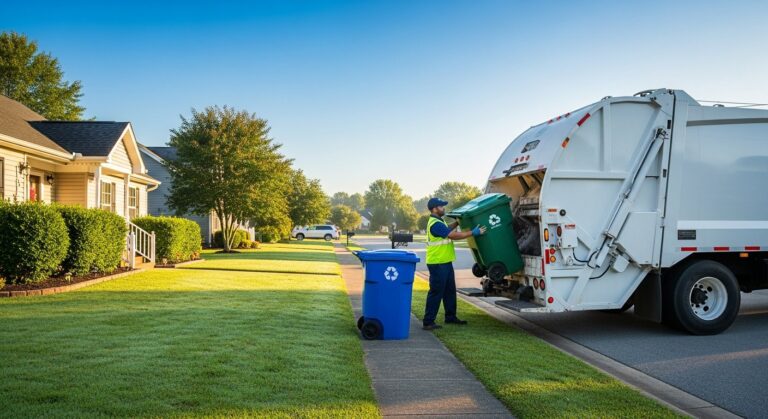
Batesville operates a structured municipal waste collection system designed to serve its residents efficiently. Typically, service is provided by a city-contracted hauler or through a municipal department. The core service includes weekly curbside pickup of household trash and, in many areas, a separate pickup for recyclable materials. It is crucial to know your specific collection day and the guidelines for setting out your carts. Carts must usually be placed at the curb by a certain time on your collection day, often by 6:00 or 7:00 AM, with lids closed and no overflow. Placing them too close to mailboxes, parked cars, or other obstacles can result in a missed pickup.
Beyond standard trash, Batesville offers specialized collection for recyclables like cardboard, paper, plastic bottles, and aluminum cans. These materials should be clean and placed in the designated recycling cart, not bagged in plastic. Contamination from food waste or non-recyclable plastics can lead to an entire load being sent to the landfill. Furthermore, the city schedules periodic pickups for bulk waste, such as furniture, mattresses, and appliances. These items often require a special call or online request to the public works department and have specific set-out requirements, like removing doors from refrigerators. Understanding these nuances is the first step to seamless waste management.
Special Waste Streams and Disposal Options
Not everything belongs in your regular trash or recycling cart. Batesville, like all municipalities, has strict protocols for handling special waste streams to protect sanitation workers and the environment. Hazardous household waste (HHW) is a primary category. This includes paints, solvents, pesticides, batteries, fluorescent light bulbs, and automotive fluids. These items are never to be placed in curbside trash. Instead, Batesville residents must utilize designated HHW collection events, which are often held semi-annually at a central location. Proper disposal prevents toxic chemicals from leaching into soil and groundwater.
Another significant waste stream is yard waste. Grass clippings, leaves, and small branches are often collected separately for composting. In Batesville, this may involve using a specific yard waste cart or requiring materials to be placed in biodegradable paper bags. Some larger projects, like tree removal or major landscaping, generate volumes of waste that exceed these standard services. For these situations, renting a dumpster is a practical solution. A roll-off dumpster allows you to consolidate large amounts of debris, from construction materials to yard waste, for efficient removal. When planning a project, selecting the right container size and type is key. For detailed advice on this, our resource on choosing Batesville waste receptacles for property projects outlines container options, rental periods, and prohibited items specific to the area.
Rules for Construction and Demolition Debris
Home improvement projects, whether a DIY bathroom update or a professional roof replacement, generate construction and demolition (C&D) debris. This type of waste, including drywall, lumber, concrete, shingles, and old fixtures, is not handled through regular residential trash service due to its volume and weight. Disposing of C&D debris in Batesville requires a proactive plan. The first step is to estimate the volume of waste your project will produce. Underestimating can lead to piles of debris on your property, while overestimating means paying for unused container space.
Once you have an estimate, you need to arrange for a dedicated disposal method. The most common and efficient route is renting a construction dumpster from a licensed local waste service provider. When doing so, you must be aware of local ordinances regarding dumpster placement, often requiring a permit if it will be placed on a public street. Furthermore, you must understand what materials are allowed in a construction dumpster. Generally, standard C&D materials are acceptable, but hazardous materials, appliances with refrigerants, and tires are not. Separating different types of debris, like clean wood from concrete, can sometimes reduce disposal costs, as some materials are recycled separately. Following these steps ensures your project site remains safe and compliant.
Best Practices for Sustainable Waste Management in Batesville
Responsible waste disposal goes beyond just getting rid of trash, it involves minimizing what goes to the landfill through reduction, reuse, and recycling. Batesville residents can adopt several best practices to enhance their sustainability efforts. First, actively participate in the city’s recycling program by familiarizing yourself with the accepted materials list. When in doubt, throw it out, contamination is a major issue for recycling facilities. Second, consider composting kitchen scraps and yard waste. Home composting reduces the volume of your trash and creates nutrient-rich soil for gardens.
Before discarding items, always evaluate if they can be reused or donated. Furniture, clothing, and working appliances can find new life through local charities, thrift stores, or online marketplaces. For specific disposal challenges, here is a quick reference list of common items and their proper handling methods in Batesville:
- Electronics (E-Waste): Contains hazardous materials. Look for retailer take-back programs or special e-waste collection events, do not place in trash.
- Used Motor Oil & Filters: Many auto parts stores accept these for recycling. Never pour oil down drains or into the ground.
- Mattresses & Box Springs: Require special bulk pickup scheduling. Some retailers offer haul-away with new purchase.
- Household Batteries: Single-use alkaline batteries can often go in trash, but rechargeable and lithium batteries (from phones, tools) are HHW and require special disposal.
- Unused Paint: Latex paint can be dried out with cat litter and placed in regular trash with the lid off. Oil-based paint is HHW and must go to a collection event.
Finally, staying informed is critical. Batesville’s city website or public works department is the authoritative source for any changes to collection schedules, holiday delays, or new recycling initiatives. By integrating these practices, you not only manage your waste efficiently but also support the broader environmental health and cleanliness of the Batesville community.
Effective waste management in Batesville is a shared responsibility between the city and its residents. By understanding the collection schedules, correctly sorting recyclables, utilizing special disposal options for hazardous and bulk items, and planning ahead for large projects, you can ensure your waste is handled safely, legally, and sustainably. Taking the time to follow these guidelines protects local sanitation workers, avoids unnecessary fees, and contributes to a cleaner, greener Batesville for everyone.