
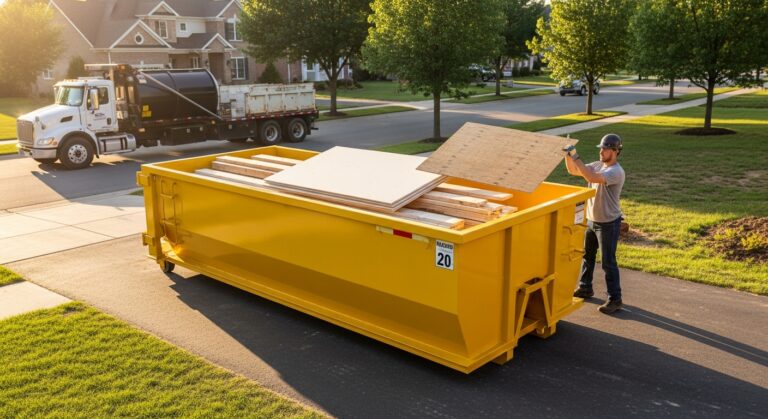
On any project that generates significant waste, from a home renovation to a construction site demolition, the single most important logistical decision you’ll make might be how you’ll dispose of the debris. That’s where roll off dumpsters come in. These large, open-top containers, delivered and retrieved by a specialized truck, are the workhorses of efficient waste management. But not all dumpster rentals are created equal. Selecting the correct size, understanding the rental terms, and knowing what you can and cannot toss can be the difference between a smooth, cost-effective cleanup and a frustrating, expensive ordeal. This guide cuts through the confusion to help you navigate the entire process, ensuring your project stays on track and on budget.
Understanding Roll Off Dumpster Basics
Before diving into the rental process, it’s crucial to grasp what sets a roll off dumpster apart. Unlike permanent dumpsters behind commercial buildings, roll offs are designed for temporary use at a specific location. They are called “roll off” because the delivery truck uses a hydraulic system to roll the container off its back and onto your designated spot. When full, the process is reversed: the truck rolls the container back onto its bed for transport to a disposal facility. This model offers unparalleled flexibility for projects of finite duration. Containers come in a range of sizes, typically measured in cubic yards, which refers to the volume of material they can hold. Common sizes range from 10-yard dumpsters, ideal for small garage cleanouts, to 40-yard containers suited for major construction projects or whole-house cleanouts. Understanding these fundamentals is the first step toward a successful rental experience.
Selecting the Perfect Dumpster Size
Choosing the right size is perhaps the most critical decision in the rental process. An undersized dumpster will require an expensive second haul-away or leave you with a pile of debris, while an oversized one wastes money and takes up unnecessary space. Size selection isn’t just about the scale of your project; it’s about the type and density of the materials you’re discarding. For example, a 20-yard dumpster filled with lightweight, bulky materials like old drywall and empty boxes will handle a much larger volume of a renovation than the same container filled with heavy roofing shingles or concrete. A common mistake is underestimating the space waste takes up when it’s loose and scattered; once compacted in a dumpster, you can fit significantly more than you might initially think.
To make an informed choice, consider these general guidelines for common project types. Remember, when in doubt, it’s often wiser to size up slightly to avoid overage fees or the hassle of a second rental.
- 10-Yard Dumpster: Ideal for small-scale projects like a single-room cleanout, a small bathroom remodel, or a minor landscaping job. It’s also a good fit for garage or basement organization where you’re disposing of old furniture and general household junk.
- 20-Yard Dumpster: The most popular size for medium-sized projects. It comfortably handles a full kitchen renovation, a multi-room flooring replacement, a large deck removal, or a significant whole-house decluttering effort.
- 30-Yard Dumpster: Suited for larger home additions, whole-house cleanouts (like for an estate sale), or a full roof replacement on an average-sized home. It provides substantial capacity for mixed debris.
- 40-Yard Dumpster: Reserved for major construction, commercial jobs, new home construction debris, or a complete whole-house demolition. This is the maximum standard size and offers the highest volume for the largest projects.
For a more detailed breakdown of capacities and price points, our guide to dumpster rental costs and sizes provides specific examples to help you visualize your needs.
Navigating the Rental Process and Key Considerations
Renting a roll off container is straightforward, but attention to detail prevents surprises. Start by gathering quotes from several reputable local providers. Be prepared to describe your project, the primary types of waste, your desired container size, and the rental duration you need, typically 7-14 days. A reliable company will ask these questions to give you an accurate quote. It’s essential to understand what’s included in the price. The standard fee usually covers delivery, pickup, disposal for up to a certain weight limit (the “tonnage allowance”), and the rental period. Exceeding the weight limit will result in overage fees, which is why disclosing heavy materials like concrete, dirt, or asphalt is crucial upfront.
You must also secure the proper placement for the dumpster. Most residential rentals are placed in a driveway. If you need it on the street, you will almost certainly require a permit from your local city or township, which the rental company can often help you obtain for an additional fee. Always ensure the chosen location is flat, stable, and clear of overhead obstructions like trees, wires, or roof eaves. Before the container arrives, protect the underlying surface with plywood if you’re concerned about driveway damage. Finally, be crystal clear on the list of prohibited items. While acceptable materials vary by company and local landfill regulations, universally banned items typically include hazardous materials (paint, chemicals, batteries), tires, appliances with Freon (unless properly evacuated), and medical waste. Disposing of prohibited items can lead to significant extra charges or refusal of pickup.
Maximizing Your Dumpster Rental for Efficiency and Value
To get the most out of your rental, a little strategy goes a long way. First, plan your loading technique. Start by placing flat, bulky items at the bottom to create a stable base. Then, layer debris evenly, breaking down large items whenever possible. Dismantle furniture, cut down long pieces of lumber, and flatten boxes. This not only maximizes space but also helps you stay within weight limits. Avoid piling debris high above the container’s walls, as this is a safety hazard and may not be allowed for transport. If you have a mix of very heavy and very light materials, try to distribute the weight evenly throughout the dumpster rather than piling all the heavy items in one corner.
Communication with your rental company is another key to value. Be upfront about your project timeline and any potential for needing more time. Most companies offer flexible rental periods for a slight additional fee. Furthermore, if you finish early, call for an early pickup. This frees up the container for another customer and may prevent you from being an obstacle on your own property. Finally, view your dumpster rental as an investment in project flow and safety. A centralized, designated waste area keeps the worksite cleaner, reduces tripping hazards, and improves overall productivity. It eliminates countless trips to a distant landfill, saving you time, vehicle wear, and fuel costs.
Renting a roll off dumpster is a powerful tool for managing project waste effectively. By understanding the different container sizes, navigating the rental agreement with eyes open, and loading strategically, you transform a simple bin into a cornerstone of project efficiency. The right dumpster keeps your site safe, your timeline intact, and your budget predictable, allowing you to focus on the work that matters most.