
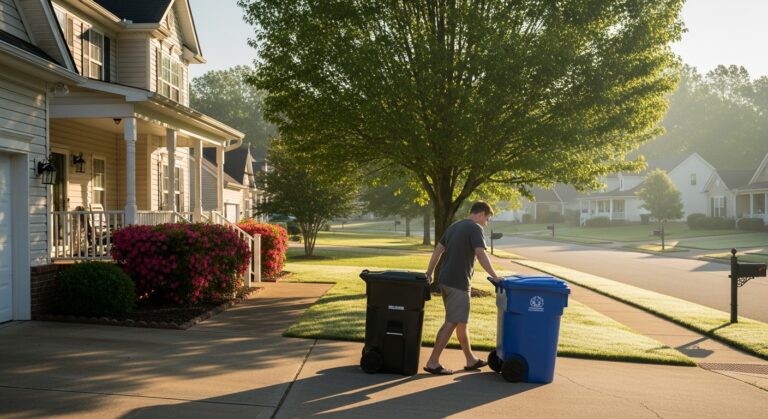
Navigating waste management in The Natural State involves more than just setting a bag on the curb. For Arkansas residents, selecting the right trash bins is a practical decision that impacts convenience, compliance with local ordinances, and even your wallet. From the rolling hills of the Ozarks to the bustling streets of Little Rock, waste collection services vary significantly by city and county. Understanding the types of bins available, the rules that govern their use, and how to maintain them can streamline your weekly routine and help you avoid unnecessary fees. This guide provides a detailed look at the world of residential waste containers, tailored specifically to the needs and regulations found across Arkansas.
Understanding Your Arkansas Waste Service Provider
Before you even consider a new trash can, you must understand who provides your service. Unlike some states with uniform systems, trash collection in Arkansas is highly localized. Most residents receive service through their city’s sanitation department, while those in unincorporated areas or smaller towns may contract with private waste haulers. Major cities like Little Rock, Fort Smith, and Fayetteville operate municipal services with specific, standardized bin requirements. In these cases, the city typically provides the bins, and using unauthorized containers can result in missed pickups.
Private haulers, such as Waste Management or Republic Services, which serve many suburban and rural communities, often have their own container programs. They may offer a standard rollout cart included in your service fee or provide options for different sizes, sometimes for an additional monthly charge. The first step for any Arkansas homeowner or renter is to contact their local public works department or review their hauler’s service agreement. This document will outline the exact specifications for acceptable trash bins, including size limits (measured in gallons), color requirements (often black for trash, blue for recycling), and features like wheels and lids.
Types of Trash Bins Available for Arkansas Homes
Once you know the rules, you can explore the container types that best fit your household’s needs. The standard workhorse for Arkansas curbside collection is the rollout cart. These are durable, wheeled bins with attached lids, usually ranging from 64-gallon to 96-gallon capacities. They are designed for mechanical lifters on garbage trucks, reducing physical strain on sanitation workers. If your service provider supplies one, you are generally required to use it. For those who must purchase their own, investing in a sturdy, wheeled bin with a tight-fitting lid is crucial to deter pests like raccoons and Arkansas’s abundant wildlife.
For households with more waste, such as large families or those with frequent entertaining, a second bin or a larger capacity might be necessary. Many private haulers offer 95-gallon carts as an upgrade. Conversely, smaller households or those dedicated to rigorous recycling and composting might find a 35-gallon can sufficient. Beyond the standard rollout cart, some residents may use traditional garbage cans without wheels. It’s vital to confirm these are acceptable, as many services now require wheels for efficiency and worker safety. The material also matters; heavy-duty plastic resins that can withstand Arkansas’s hot summers and occasional freezing winters without becoming brittle are ideal.
Key Regulations and Best Practices for Bin Use
Proper placement and preparation are just as important as the bin itself. Universal rules across Arkansas include placing bins curbside by a specific time on your collection day (often 6 AM or 7 AM) and removing them from the curb within 12-24 hours after pickup. Bins should typically be placed with the wheels facing your home and the lid opening toward the street, at least three to five feet apart from any recycling container, mailbox, or parked car. This spacing allows for the automated truck arms to operate safely.
What you put in the bin is heavily regulated. Prohibited items are consistent statewide to protect workers and equipment. Knowing these rules helps avoid “tagged” bins that are left unemptied, leading to complaints and potential fines. Common prohibited items include:
- Hot Ashes or Coals: A major fire hazard in garbage trucks.
- Hazardous Waste: Paint, chemicals, batteries, and motor oil must be disposed of at designated drop-off events or facilities.
- Electronics (E-Waste): Televisions, computers, and monitors are banned from landfills and have separate recycling programs.
- Large Appliances & Yard Waste: Refrigerators, mattresses, and major branches usually require bulk pickup scheduling.
- Construction Debris: Bags of concrete, shingles, or drywall are generally not accepted in residential bins.
Overloading your bin is another common issue. The lid must close completely. Overflowing bins or bags placed beside them are often not collected, as loose trash creates litter. During weeks with extra waste, such as after holidays, contact your provider about bulk pickup options or temporary extra container services. Adhering to these practices ensures reliable service and keeps your neighborhood clean.
Maintenance, Replacement, and Troubleshooting
A well-maintained trash bin lasts longer and prevents nuisances. Regular cleaning is essential, especially during Arkansas’s humid summers, to control odors and deter insect breeding. A simple rinse with a garden hose, a scoop of baking soda, or a diluted bleach solution can be very effective. For deep cleaning, some residents use a long-handled brush with soapy water. Always let the bin dry completely with the lid open before closing it again to prevent mildew.
Bins do wear out. Cracked wheels, broken lids, or holes chewed by animals compromise functionality. If your bin was provided by your city or hauler, report damage immediately for a repair or replacement, often at no cost. If you own the bin, you are responsible for replacing it. When purchasing a new one, ensure it matches the specifications required by your service. Common issues include missed pickups. If this happens, first check for a violation tag on the bin. If there is no tag, contact your provider’s customer service. Be prepared to provide your address and details about the issue. Persistent problems may require following a formal complaint process with your local sanitation department or public works board.
Beyond the Bin: Recycling and Special Waste in Arkansas
A comprehensive waste strategy involves more than just the trash bin. Arkansas has a growing focus on recycling, and many municipalities offer complementary recycling carts, usually blue. Familiarize yourself with your local recycling guidelines—what is accepted in Little Rock may differ from Rogers or Jonesboro. Common accepted items include clean cardboard, paper, plastic bottles and jugs, and aluminum cans. Contamination from non-recyclables or dirty food containers remains a major challenge, so when in doubt, throw it out in your regular trash.
For items that never belong in your household trash bins, Arkansas hosts various collection solutions. Household Hazardous Waste (HHW) collection events are held periodically in different counties. The Arkansas Department of Environmental Quality (ADEQ) provides resources for disposing of electronics, tires, and appliances. Yard waste like grass clippings and leaves can often be composted at home or set out for separate bulk collection if bundled properly. Utilizing these specialized services takes pressure off your primary trash bin and supports broader environmental goals for the state.
Choosing and managing your trash bins effectively is a small but meaningful part of homeownership and community living in Arkansas. By aligning your setup with local service requirements, practicing diligent maintenance, and leveraging available recycling and special waste programs, you can ensure a sanitary, efficient, and compliant waste disposal system for your household. It’s a straightforward investment in the cleanliness of your property and the well-being of your local environment.
One Response