
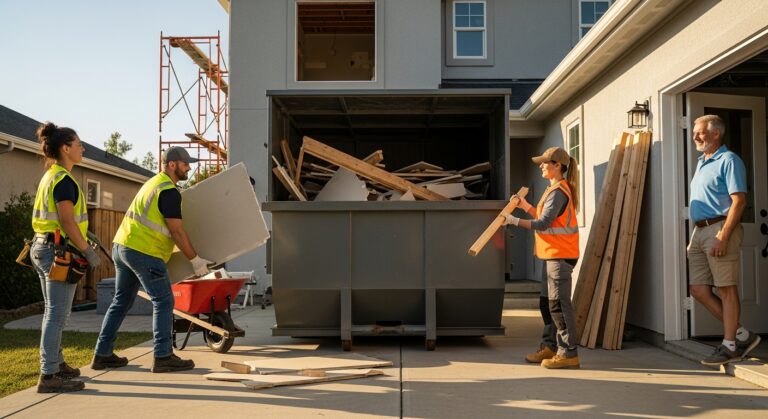
Whether you are tackling a home renovation, managing a construction site, or simply clearing out years of accumulated clutter, the success of your project hinges on effective waste management. Renting a dedicated waste container isn’t just a logistical afterthought; it’s a strategic decision that impacts your budget, timeline, and overall peace of mind. The right container streamlines cleanup, keeps your site safe, and ensures proper disposal, turning a chaotic mess into a manageable process. Understanding your options is the first step to a smoother, more efficient project from start to finish.
Understanding Your Container Options and Sizes
Waste container rental is not a one-size-fits-all service. The industry offers a variety of container types, primarily distinguished by their method of delivery and removal. The most common for larger projects is the roll-off dumpster, a large, open-top container delivered on a specialized truck and placed at your location for the rental period. These are ideal for construction debris, major cleanouts, and demolition waste. For smaller, ongoing needs, such as at a business or a lengthier renovation, front-load or rear-load dumpsters designed for regular, scheduled service might be more appropriate. The key is matching the container type to your project’s waste generation pattern.
Size selection is arguably the most critical choice you will make. Containers are typically measured in cubic yards, which refers to volume. Choosing a container that’s too small leads to overfilling, potential extra fees, and the need for a second rental. Opting for one that’s too large means you are paying for unused space. To make an informed decision, you need to estimate both the volume and the weight of your debris. Consider the nature of your project: a roof tear-off generates heavy, dense waste, while a cleanout of a garage or attic often yields lighter, bulkier items. For a detailed breakdown of common project types and their corresponding container sizes, our guide to roll-off dumpster rental and sizing provides an essential reference.
Navigating the Rental Process and Key Considerations
Once you have identified the likely container type and size for your needs, the next step is to engage with a rental provider. This process involves more than just placing an order; it requires clear communication to avoid surprises. Be prepared to discuss your project specifics, including the primary types of materials you will be disposing of, the exact delivery address with notes about placement (driveway, yard, street), and your estimated rental timeline. A reputable company will ask these questions to ensure they provide the right equipment and necessary permits.
Understanding the rental agreement is paramount. Pay close attention to the fine print regarding rental period length, included tonnage or weight limits, and what constitutes prohibited items. Common items that are often not allowed in standard waste containers include hazardous materials like paint, chemicals, batteries, tires, and sometimes appliances containing Freon. Disposing of these improperly can result in significant penalties. Furthermore, be clear on the pricing structure. Most quotes include delivery, pickup, and a set disposal fee for a specific weight allowance. Exceeding that weight limit will incur overage charges, so accurate estimation is key to budget control.
To ensure a smooth rental experience, follow these key steps:
- Get Multiple Quotes: Contact at least two or three local providers to compare prices, included services, and customer service responsiveness.
- Verify Included Services: Confirm what the base rate covers: delivery, pickup, disposal fees for a standard weight, and the rental period (e.g., 7, 10, or 14 days).
- Prepare the Site: Clear a level, stable area for the container delivery. Ensure there is adequate overhead clearance and that the path is free of obstacles.
- Load Efficiently and Safely: Distribute weight evenly, break down large items, and never overfill the container above its rim. This prevents safety hazards and potential road violation fees during transport.
Maximizing Value and Ensuring Proper Disposal
The value of a waste container rental extends beyond mere convenience. For contractors, it is a non-negotiable tool for maintaining a clean, safe, and productive job site, directly impacting labor efficiency and liability. For homeowners, it transforms daunting projects into organized endeavors, allowing you to work at your own pace without multiple trips to the landfill. The centralization of waste also promotes safer working conditions by eliminating trip hazards and containing potentially dangerous debris.
An often-overlooked aspect of renting a container is its role in promoting environmental responsibility. Reputable waste management companies are required to dispose of collected debris at licensed transfer stations or landfills that operate under environmental regulations. Many also actively sort materials at their facilities to divert recyclables like metal, concrete, and clean wood from the waste stream. By choosing a responsible provider, you are contributing to a more sustainable disposal chain than if you handled waste haphazardly yourself. Always ask a rental company about their recycling policies and waste diversion practices; it is a mark of a quality service.
Finally, successful waste container rental is about proactive planning. Order your container to arrive a day or two after your project starts to ensure it is there when you need it, but not so early that it sits empty. Communicate clearly with your delivery driver about the ideal placement. And most importantly, if your project scope changes mid-stream, contact your provider immediately. They can often advise on solutions, such as scheduling an early swap for a different sized container, which is almost always more cost-effective than dealing with overage fees or an unsafe overfill situation. With the right container and a reliable partner, managing project waste becomes a seamless part of the process, letting you focus on the result, not the rubble.