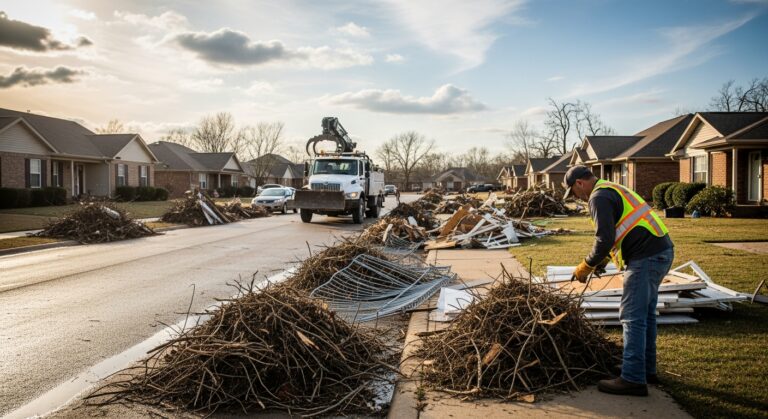
When severe weather strikes Blytheville, from tornadoes sweeping across the Mississippi County plains to powerful thunderstorms bringing down limbs and flooding, the aftermath is measured in piles. Managing that debris, whether from a natural disaster or a major home renovation project, is a critical but often overwhelming task. Proper Blytheville debris management is not just about cleanliness; it’s about safety, regulatory compliance, environmental responsibility, and protecting your property’s value. This guide provides a comprehensive framework for residents and property managers to navigate the complexities of debris removal, from understanding city protocols and securing dumpster rentals to navigating insurance claims and choosing sustainable disposal options. By mastering these processes, you can transform a chaotic situation into a streamlined, efficient recovery.
Navigating City of Blytheville Debris Removal Protocols
The City of Blytheville provides structured services for debris collection, particularly following declared storm events. Understanding and adhering to these protocols is the first step in a successful cleanup. The city typically organizes debris into specific categories for collection, and failure to sort properly can result in materials being left at the curb. This system is designed for efficiency and safety, allowing crews to use specialized equipment for different types of waste. Residents must stay informed through official channels like the City of Blytheville website, local news outlets, and official social media pages for announcements regarding pickup schedules, designated drop-off locations, and any changes to standard procedures. It’s crucial to remember that city services are often for residential vegetative and construction debris from storms, not for large-scale commercial project waste or hazardous materials.
Strategies for Large-Scale and Private Property Cleanups
For projects outside city storm response, such as major yard overhauls, roofing replacements, or interior demolitions, private Blytheville debris management becomes essential. This involves proactive planning to handle volume, weight, and material type. The cornerstone of this strategy is often securing a roll-off dumpster rental from a local provider. Choosing the right size container, 10-yard, 20-yard, or 40-yard, is critical to avoid overage fees or the need for multiple hauls. Furthermore, you must understand what can and cannot be placed in these dumpsters; prohibited items often include tires, appliances with refrigerants, paints, chemicals, and batteries, which require special disposal methods. For large vegetative debris from land clearing, some services offer wood chipping and grinding on-site, which can drastically reduce volume and even provide useful mulch for your property, turning a waste problem into a resource.
Implementing an effective private cleanup follows a logical sequence. Here is a step-by-step process to ensure thoroughness and efficiency:
- Assessment and Safety First: Conduct a full walkthrough of the property. Identify all debris, noting hazardous materials like broken glass, exposed nails, or unstable structures. Ensure utilities are safe before proceeding.
- Sorting and Segregation: Separate debris into distinct piles: vegetative (logs, brush, leaves), construction (lumber, drywall, roofing), bulk waste (furniture), and prohibited/hazardous waste. This mirrors city protocols and simplifies disposal.
- Procurement of Resources: Based on volume, rent the appropriate dumpster size and arrange for necessary tools (gloves, trailers, chainsaws). Schedule deliveries to align with your work timeline.
- Systematic Loading: Load the dumpster efficiently, breaking down large items to maximize space. Place heavier, flat items (like plywood) at the bottom and lighter debris on top.
- Final Disposal and Documentation: Schedule pickup with the rental company. For insurance-related claims, photograph the debris piles and all damaged items before disposal and keep all receipts.
Insurance, Costs, and Sustainable Disposal Solutions
Navigating the financial aspects of debris removal is a key component of Blytheville debris management. If the debris stems from a covered insurance event, such as wind or hail damage, your homeowner’s policy may cover removal costs. It is vital to document everything thoroughly: take extensive photographs and videos of the damage and the resulting debris piles before any cleanup begins. Maintain a detailed inventory of damaged items and keep all receipts from dumpster rentals, labor hires, and disposal fees. Submit these as part of your claim. For non-insurance projects, costs can vary widely based on debris type, volume, and rental duration. Obtaining quotes from several local Blytheville disposal services is recommended.
Increasingly, sustainable disposal is a priority for environmentally conscious residents. Blytheville debris management can incorporate green practices. Consider these options to reduce landfill impact:
- Wood Recycling: Untreated lumber, pallets, and brush can often be taken to facilities that chip them for mulch or biomass fuel.
- Concrete and Asphalt Recycling: These materials are crushed and reused as aggregate for new construction projects, a common service in the region.
- Metal Scrap Yards: All metal debris, from framing to appliances, has value and should be separated and taken for recycling.
- Donation: Gently used building materials like cabinets, doors, and functional appliances can be donated to local Habitat for Humanity ReStores or similar organizations.
Adopting these practices not only benefits the environment but can also lower disposal costs by reducing the volume of waste sent to paid landfills.
Choosing a Reliable Blytheville Debris Management Service
For many, hiring a professional service is the most practical solution. Selecting the right contractor ensures the job is done safely, efficiently, and in compliance with all local regulations. Look for a company that is fully licensed and insured to operate in Mississippi County, Arkansas. This protects you from liability in case of accidents or property damage during the cleanup process. Experience matters, particularly with the types of debris common to the Blytheville area, such as storm-downed trees or old construction materials. A reputable service will provide a clear, detailed estimate that outlines all costs, including rental fees, weight overages, fuel surcharges, and disposal taxes, with no hidden fees. They should also be transparent about where the debris will be taken for final disposal, confirming it goes to a legally permitted landfill or recycling center. Finally, check for positive local references and reviews to gauge their reliability and customer service.
Mastering debris management transforms a daunting task into a manageable project. By understanding local rules, planning your cleanup strategy, considering environmental impacts, and partnering with trustworthy professionals when needed, Blytheville residents can ensure their properties are cleared safely and responsibly. This proactive approach not only restores order but also contributes to the resilience and beauty of the community.