
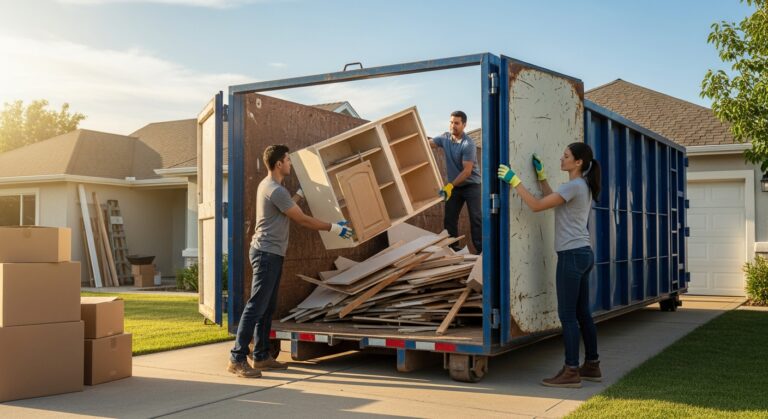
Whether you’re knee-deep in a home renovation, clearing out an estate, or simply tackling a major decluttering project, the question of what to do with all the debris eventually arises. Hauling countless bags and loads to the dump is time-consuming, inefficient, and often impractical. This is where the convenience of a dumpster for rent transforms the process, offering a centralized, high-volume solution for waste management. Renting a dumpster is more than just getting a metal box delivered to your driveway; it’s about streamlining your project, ensuring safety, and managing costs effectively. This guide will walk you through the entire process, from selecting the right size to understanding rental agreements, so you can handle your waste removal with confidence and ease.
Understanding Your Dumpster Rental Options
Not all dumpsters are created equal, and the right choice depends entirely on the scope and nature of your project. The most common type for residential and light commercial use is the roll-off dumpster. These are the large, open-top containers you typically see on construction sites and in driveways, delivered and removed by a specialized truck. They come in a range of standard sizes, measured in cubic yards, which indicates the volume of debris they can hold. Choosing the correct size is your first and most critical decision. Opting for one that’s too small means you’ll need a second rental, doubling your costs. Renting one that’s too large is an unnecessary expense. Beyond the standard roll-off, you might also encounter front-load dumpsters, which are common for ongoing business use, and smaller dumpster bags, which are a low-cost alternative for very light projects but lack the capacity and durability of a traditional dumpster rental.
Choosing the Correct Dumpster Size
Size estimation is where many renters stumble. It’s easy to underestimate the volume of waste a project generates. A good rule of thumb is to visualize the debris stacked in a pile. A 10-yard dumpster is roughly the size of a small pickup truck bed, suitable for a single-room cleanout or a small bathroom remodel. A 20-yard container can handle a full kitchen renovation or a large basement cleanout. For major projects like a whole-house renovation or a new roof, a 30 or 40-yard dumpster is often necessary. When in doubt, it’s generally advisable to size up. Most rental companies charge a flat rate for a specific size with a included weight allowance, and the cost difference between a 20-yard and a 30-yard unit is often less than the price of a second rental if you underestimate. Discuss your specific project details with the rental company; their experience is invaluable for recommending the perfect size.
To help you visualize, here are common project types paired with typical dumpster sizes:
- 10-Yard Dumpster: Ideal for a garage or attic cleanout, small deck removal, or a minor landscaping project.
- 20-Yard Dumpster: The most popular size for kitchen or bathroom remodels, full basement/garage cleanouts, and medium-sized construction jobs.
- 30-Yard Dumpster: Best for whole-house cleanouts, major renovation projects (multiple rooms), or new home construction debris.
- 40-Yard Dumpster: Reserved for the largest projects, such as commercial cleanouts, major construction, or entire roof replacements.
The Rental Process and Key Considerations
Once you’ve identified the likely size you need, the rental process is straightforward but requires attention to detail. Start by getting quotes from at least two or three reputable local companies. The lowest price isn’t always the best value; be sure to understand exactly what is included. Key questions to ask include the rental period (typically 7-10 days), the included weight limit (exceeding it incurs overage fees), and what materials are prohibited. Common prohibited items are hazardous materials like paint, chemicals, batteries, and tires, as well as appliances containing Freon unless properly certified. You must also secure a permit if the dumpster will be placed on a public street or sidewalk; the rental company can often assist with this, but the cost and responsibility usually fall on the renter. For driveway or private property placement, ensure you have adequate space and a solid, level surface to prevent damage.
Maximizing Value and Avoiding Hidden Fees
A transparent dumpster rental experience comes from understanding the fee structure. Reputable companies offer all-inclusive pricing that covers delivery, pickup, disposal fees for up to a certain weight, and the rental period. Be wary of quotes that seem too good to be true, as they may have low base rates but high overage charges or extra fees for specific materials like concrete or shingles. To maximize the space in your dumpster and potentially stay under weight limits, load it strategically. Break down large items, flatten boxes, and distribute weight evenly. Never overfill the container above the top of its walls; this is a safety hazard during transport and will result in refusal of pickup or additional fees. Planning your project timeline to fully utilize the rental period without needing extensions will also help you control costs.
Preparing for Delivery and Ensuring a Smooth Experience
A little preparation goes a long way. Before the delivery truck arrives, clear the placement area of vehicles, outdoor furniture, and any overhead obstructions like low-hanging tree branches or power lines. Have a clear path for the truck to access the spot. When the dumpster is placed, take a moment to note any pre-existing damage on the container and inform the company to avoid being held responsible later. During your rental, be a good neighbor by keeping the area around the dumpster tidy and ensuring the container’s doors are closed when not in use. Adhere strictly to the list of acceptable waste; improper disposal of prohibited items can lead to significant fines from the landfill, which the company will pass on to you. When your project is complete or the dumpster is full, simply call the company to schedule a pickup. They will handle the heavy lifting and proper disposal, leaving you with a clean, debris-free site.
Renting a dumpster is a powerful tool for reclaiming your space and managing project logistics efficiently. By understanding your options, selecting the right size, partnering with a reputable provider, and following best practices for loading and placement, you turn a potential headache into a seamless part of your success. It’s an investment that pays dividends in saved time, reduced physical strain, and the peace of mind that comes with professional waste management, allowing you to focus entirely on the task at hand.