
Navigating waste removal in Melbourne involves more than just putting a bin on the kerb. From understanding your council’s bin collection schedule to managing bulky hard waste and ensuring your commercial or renovation project complies with local regulations, an efficient Melbourne waste service strategy is essential for saving money, avoiding fines, and contributing to the city’s impressive recycling and sustainability goals. This comprehensive guide will help you master the system, whether you’re a homeowner, tenant, or business operator. Understanding the nuances can significantly reduce your environmental footprint while keeping your property clean and compliant.
Understanding Melbourne’s Multi-Layered Waste System
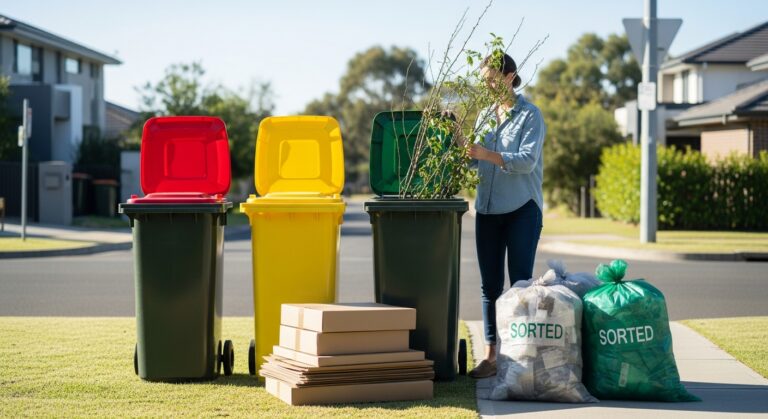
Melbourne’s waste management is not a one-size-fits-all operation. It operates on a council-by-council basis, meaning services, bin colours, and collection frequencies can vary between the City of Melbourne, Yarra, Port Phillip, Boroondara, and other metropolitan areas. The foundational layer for most households is the kerbside collection service, typically involving a three-bin system. This system is designed to streamline waste separation at the source, a critical step in Melbourne’s journey toward a circular economy. The general rule of thumb is a red lid for general waste, a yellow lid for mixed recyclables, and a green lid for garden organics. However, some councils have introduced food and garden waste bins (often with a lime green lid) or even a fourth bin for glass. Always check with your local council’s website for the specific guidelines that apply to your address, as contamination from incorrect items can lead to entire truckloads being sent to landfill.
Beyond the weekly kerbside routine, councils provide periodic hard rubbish or booked bulk waste collections. This service is invaluable for disposing of large items like furniture, mattresses, and broken appliances that don’t fit in your standard bins. The process is usually managed through an online booking system, with specific rules on what is accepted, placement instructions, and collection timelines. For items in good condition, consider alternatives like charity donations, online marketplaces, or council-run resource recovery centres before booking a collection.
Specialised Waste Services for Renovations and Construction
Home renovations, landscaping projects, or any construction activity in Melbourne generate waste that far exceeds the capacity of your household bins. Proper management here is crucial for site safety, regulatory compliance, and cost control. A standard red general waste bin is insufficient and often prohibited for construction debris. This is where engaging a professional Melbourne waste service becomes non-negotiable. Reputable providers offer a range of skip bins in various sizes, from mini skips for a bathroom update to large builders’ skips for full home renovations.
Selecting the right skip involves more than just size. You must consider waste type, as different materials often require separate disposal streams to comply with environmental regulations and to avoid costly contamination fees. For example, clean fill (soil, bricks, concrete) is typically cheaper to process than mixed construction waste, which may contain timber, plasterboard, and metals. A responsible service will guide you on this. Furthermore, you’ll need a permit from your local council if the skip bin is to be placed on public land, such as a road or nature strip. Planning your waste management strategy at the project’s outset prevents delays, unexpected expenses, and ensures you are contributing to Melbourne’s construction and demolition waste recovery targets, which aim to divert over 80% of such waste from landfill.
Choosing a Commercial and Industrial Waste Partner
For businesses, cafes, retail shops, and industrial operations across Melbourne, waste management is an ongoing operational expense and a key component of corporate sustainability reporting. Commercial waste services are tailored to volume and frequency, often involving larger mobile garbage bins (MGBs) or compactors, and separate collections for cardboard, commingled recycling, and organic waste. A tailored commercial waste audit can identify opportunities to reduce waste generation, improve recycling rates, and ultimately lower service costs. Key factors when selecting a provider include reliability, transparent pricing (watch for hidden fuel and environmental levies), detailed waste transfer documentation, and a demonstrable commitment to ethical disposal practices that align with your company’s environmental, social, and governance (ESG) goals.
Maximising Recycling and Minimising Landfill
Melbourne’s goal is a zero-waste future, and resident participation is the engine driving this vision. Effective recycling starts with knowing what goes in each bin. Common contaminants in the yellow recycling bin include soft plastics, clothing, batteries, and food-soiled containers, which can jam machinery and spoil otherwise recyclable materials. For items not accepted in kerbside bins, Melbourne offers a robust network of drop-off points.
To help you navigate these options, here is a breakdown of common problem items and where to direct them:
- E-Waste (TVs, Computers, Cables): Banned from landfill. Take to a council transfer station or dedicated e-waste recycler.
- Household Chemicals & Paint: Never pour down drains. Use council-run Detox Your Home collections or permanent drop-off sites.
- Soft Plastics (Bags, Wrappers): Use REDcycle collection bins at major supermarkets (note: check for current program status).
- Batteries and Light Globes: Many libraries, supermarkets, and hardware stores have collection boxes.
- Mattresses and Bedding: Book a council hard waste collection or use a specialist mattress recycler.
By diligently separating these streams, you ensure valuable materials are recovered and reprocessed. This not only conserves natural resources but also reduces greenhouse gas emissions from landfill. Embracing practices like home composting for food scraps, choosing products with minimal packaging, and supporting brands that use recycled content are powerful ways individuals can enhance the effectiveness of the broader Melbourne waste service infrastructure.
Costs, Regulations, and Future Trends
The cost of waste services in Melbourne is influenced by several factors. For households, it’s generally bundled into your annual council rates. For businesses and skip bin hires, costs vary based on volume, waste type, location, and disposal fees levied by the Victorian government’s landfill levy, which is designed to incentivise recycling. It’s important to understand that improper disposal, such as illegal dumping or bin contamination, can result in significant fines from local authorities.
Looking ahead, Melbourne’s waste management is evolving rapidly. Key trends include the standardisation of bin lid colours across the state, the rollout of four-bin systems (adding a separate glass or food organics stream), and advanced processing at facilities like the new Recovery Centre in Melbourne’s west, which uses AI and robotics to sort materials with incredible precision. The state’s Circular Economy Policy and the upcoming container deposit scheme (CDS Vic) will further reshape how we think about and manage our resources. Staying informed about these changes ensures you can adapt your habits and continue to optimise your contribution to a cleaner, more sustainable city.
Mastering your approach to waste in Melbourne is an ongoing process of education and adaptation. By leveraging the available council services correctly, partnering with reputable providers for special needs, and staying committed to reducing and separating your waste, you play a direct role in the health and sustainability of your local environment and the city at large. A proactive stance on waste management is an investment in Melbourne’s future.