
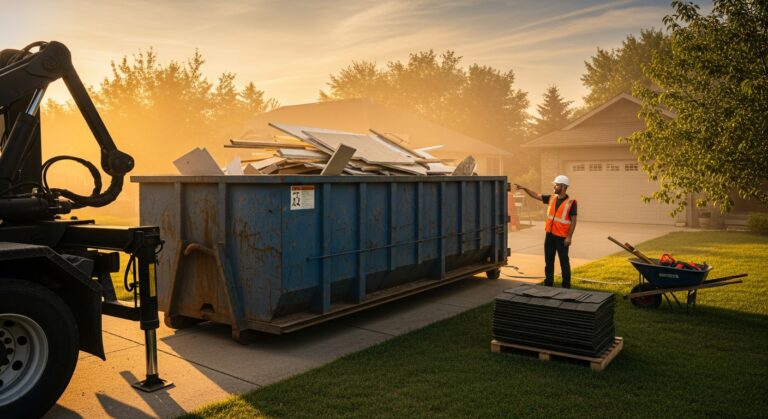
Whether you are overseeing a major construction teardown, managing a residential renovation, or coordinating a large-scale community cleanup, the success of your project often hinges on a seemingly simple yet critical component: efficient waste management. At the heart of this logistical challenge is the roll off waste container, a heavy-duty dumpster designed for temporary placement, high-volume debris collection, and easy transport. Choosing the right container isn’t just about tossing trash; it’s a strategic decision that impacts your budget, timeline, safety, and overall project flow. This guide will delve into the essential considerations for selecting, renting, and utilizing roll off dumpsters to ensure your project runs smoothly from start to finish.
Understanding Roll Off Container Types and Applications
Not all waste is created equal, and neither are the containers designed to hold it. The term “roll off” refers to the specialized truck that delivers, places, and retrieves these large containers, which are mounted on wheels and roll off the back of the vehicle onto your site. The first step in effective waste management is matching the container type to your specific debris. Standard roll off containers are ideal for mixed construction and demolition (C&D) waste like drywall, lumber, roofing materials, and concrete. For projects involving heavy materials such as dirt, concrete, or brick, a dedicated heavy debris container with reinforced construction is necessary to handle the weight.
Specialized containers also exist for distinct waste streams. For example, if your project generates a significant amount of old shingles, many providers offer dedicated roofing containers designed to accommodate the specific weight and volume of tear-off materials. Similarly, projects focused on yard waste, such as major landscaping overhauls, benefit from containers intended for green debris, which is often processed separately from landfill-bound waste. Understanding these distinctions is crucial not only for logistical efficiency but also for compliance, as improper disposal of certain materials can result in additional fees or violations. For a deep dive into matching your project type with the perfect container size and style, our resource on choosing the right waste container rental offers a detailed framework.
Selecting the Correct Container Size for Your Project
One of the most common pitfalls in project planning is underestimating the volume of waste generated. Ordering a container that’s too small leads to multiple hauls, increased costs, and project delays. Conversely, a container that’s too large wastes money and occupies unnecessary space on your property. Sizes for roll off waste containers are typically measured in cubic yards, ranging from small 10-yard bins suitable for garage cleanouts or small bathroom remodels to massive 40-yard containers for new construction or whole-house demolition.
Making an accurate estimate requires a thoughtful assessment of your project’s scope. Consider the square footage being worked on, the types of materials being removed, and the depth of the demolition. A useful strategy is to visualize the debris piled up: a 20-yard container can hold about 110-130 standard 13-gallon trash bags, while a 30-yard container is roughly the size of a standard living room filled floor to ceiling. It’s always wiser to consult with your rental provider, as their experience with similar projects can provide invaluable guidance. They can help you account for the “fluff factor”—how much space loose materials like demolished drywall or insulation will take up before being compacted.
Key Logistics and Placement Considerations
Once you’ve selected the type and size of your roll off waste container, the next critical phase is planning for its delivery and placement. This step is often overlooked until the delivery truck arrives, leading to last-minute scrambles and potential complications. First, you must secure any necessary permits. If the container will be placed on a public street, sidewalk, or right-of-way, most municipalities require a permit from the local public works department. Your rental company can often assist with this process, but the responsibility and cost typically fall on the renter.
Second, prepare the placement site. The area should be flat, stable, and clear of overhead obstructions like tree limbs, wires, or gutters. The delivery truck requires a clear path and adequate space to maneuver, which usually means at least 60 feet of straight-line access and a width of about 10-12 feet. Consider the surface as well; placing a loaded container on soft ground, asphalt in hot weather, or delicate pavers can cause significant damage. Using plywood or planks under the container’s supports can help distribute the weight. Finally, ensure the location is convenient for your work crew to access but does not block vital site operations, delivery routes, or emergency access.
Maximizing Value and Avoiding Common Pitfalls
A successful roll off rental experience is defined by clear communication, understanding the terms, and efficient use of the container. To maximize your investment and avoid surprise fees, start by having a transparent conversation with your provider about what is and is not allowed in the container. Prohibited items often include hazardous materials (paints, chemicals, batteries), appliances with refrigerants, tires, and sometimes heavy amounts of dirt or concrete. Overloading the container—where debris piles above the top of the walls—is a major safety violation and will result in the driver refusing pickup until it’s leveled off, incurring additional fees or trip charges.
To streamline your waste management process and get the most out of your rental period, follow these best practices:
- Plan Your Loading Strategy: Start by placing flat, bulky items at the bottom to create a stable base. Break down large items whenever possible to save space.
- Distribute Weight Evenly: Avoid piling all heavy materials on one side, which can make transportation unsafe and damage the container.
- Know Your Rental Period: Clearly understand the included rental days (often 7-10) and the daily rate that applies if you need to keep it longer.
- Schedule the Pickup Proactively: Don’t wait until the last minute to call for removal. Schedule it once the container is full to avoid unnecessary rental extensions.
Adhering to these guidelines not only keeps costs predictable but also ensures a safe worksite and promotes an efficient workflow. Partnering with a reputable provider who offers clear contracts and reliable service is as important as the container itself.
Integrating a roll off waste container into your project plan is a mark of professional foresight. By carefully considering the type, size, placement, and terms of your rental, you transform a basic utility into a powerful tool for maintaining a clean, safe, and productive site. This strategic approach to debris management allows you and your team to focus on the primary tasks at hand, confident that the logistical backbone of cleanup is handled efficiently and effectively from delivery to final haul-away.