Managing waste effectively on construction sites, during major home renovations, or for large-scale cleanouts in Jacksonville is more than just a logistical necessity: it’s a critical component of project budgeting, timeline adherence, and site safety. The concept of trash rental management often gets reduced to a simple container drop-off, but for those handling projects in the River City, it represents a strategic planning opportunity. From historic Springfield renovations to sprawling developments off JTB, understanding the nuances of Jacksonville’s zoning ordinances, disposal fees, and service provider landscape can mean the difference between a smooth project and one plagued by delays, fines, and budget overruns. This guide delves into the operational framework that defines successful waste management, turning a routine task into a leveraged advantage for your project’s bottom line.
Understanding the Jacksonville Trash Rental Ecosystem
Jacksonville’s sheer geographic size and diverse mix of urban, suburban, and rural areas create a unique waste management landscape. A one-size-fits-all approach to renting dumpsters or roll-off containers is rarely effective. The first layer of strategic management involves recognizing the key players and regulatory environment. Private waste management companies serve the vast majority of commercial and large-scale residential needs, offering a range of container sizes and service schedules. However, Jacksonville’s municipal services, particularly for residential customers, also play a role in defining what private rentals are best used for. Furthermore, the city’s environmental codes and the regulations of the Florida Department of Environmental Protection (DEP) dictate what materials can be disposed of in certain ways, influencing rental decisions for projects involving specific types of debris like construction waste, yard waste, or concrete.
Successful navigation of this ecosystem starts with a clear assessment of your project’s waste profile. A kitchen remodel in San Marco will generate a different waste stream than a land-clearing project in Mandarin or a roofing job in Arlington. The type, volume, and weight of your debris directly determine the size and type of container you need, the rental duration, and the final cost. Overestimating leads to wasted rental fees for an oversized bin, while underestimating results in costly additional hauls or overage charges. The goal is to align your specific project requirements with the most efficient service package available from Jacksonville providers.
Core Components of a Managed Waste Strategy
Transitioning from simply renting a dumpster to actively managing your waste rental involves focusing on several interconnected components. This proactive approach treats waste removal not as an afterthought but as an integrated part of your project planning.
Container Selection and Placement Logistics
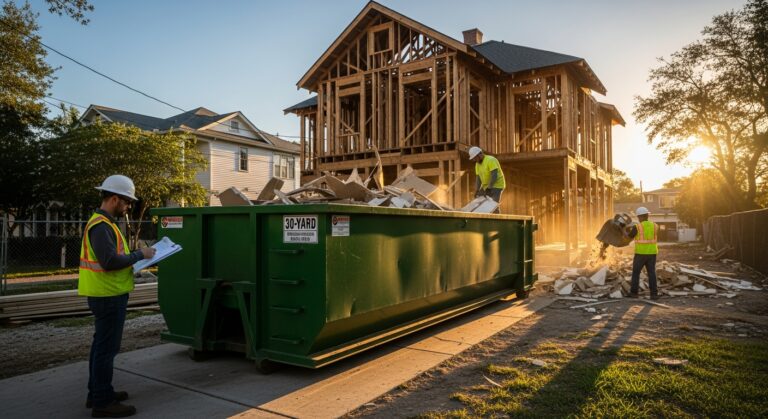
The physical placement of your rental container is a logistical decision with significant implications. In Jacksonville’s neighborhoods with narrow streets or limited driveway space, such as those in Riverside or Murray Hill, placement requires careful coordination. You must secure any necessary permits from the city’s Transportation Department if the container will occupy public right-of-way, like a street or sidewalk. Even on private property, consider ground protection for driveways, overhead clearance from power lines and tree limbs, and ensuring the delivery truck has safe access. The container size—typically ranging from 10-yard bins for small cleanouts to 40-yard roll-offs for new construction—must match both your waste volume and the physical constraints of your site. A strategic manager always confirms these details with the rental company before the delivery date to prevent costly on-site adjustments.
Cost Control and Transparent Billing
The advertised price for a dumpster rental is rarely the final bill. Effective Jacksonville trash rental management demands a thorough understanding of all potential fees. Beyond the base rental rate and delivery/pick-up charges, you must account for disposal fees (often calculated by weight at the landfill), overage charges for exceeding weight limits, and fees for prohibited items. Some projects may also incur charges for extending the rental period. To control costs, request a detailed, all-inclusive quote that breaks down each fee structure. Reputable Jacksonville companies will provide clear terms on weight allowances, rental periods, and what constitutes a prohibited item. This transparency allows you to budget accurately and avoid the surprise invoices that can derail a project’s financials.
Compliance and Environmental Responsibility
Jacksonville and Florida have specific rules governing waste disposal. A managed approach prioritizes compliance to avoid fines and support sustainability. This involves proper sorting: many materials cannot be commingled in a standard construction dumpster. For example, old appliances, tires, batteries, paints, and certain electronics often require separate disposal pathways. Jacksonville offers resources and designated facilities for hazardous household waste. Furthermore, for construction and demolition debris, recycling materials like concrete, metal, and clean wood is not only environmentally sound but can sometimes reduce disposal costs. A strategic manager plans for this separation from the outset, potentially arranging for multiple containers for different waste streams, thereby turning a compliance necessity into an efficiency gain.
Implementing Your Management Plan: A Step-by-Step Process
Turning theory into practice requires a systematic approach. Follow this process to ensure your Jacksonville trash rental supports your project goals from start to finish.
- Pre-Project Audit: Before contacting rental companies, assess your project scope. Estimate the type and volume of debris. Consult blueprints or conduct a walk-through to identify materials that will need special handling.
- Provider Vetting and Quoting: Research local Jacksonville providers with strong reputations. Obtain at least three detailed, written quotes. Compare not just price, but container sizes offered, included rental days, weight allowances, and lists of prohibited items.
- Permit and Logistics Coordination: If needed, apply for a right-of-way permit from the City of Jacksonville. Confirm the exact delivery location with your property manager, homeowner, or construction foreman. Ensure the site is ready and accessible.
- On-Site Management and Loading: Upon delivery, communicate the waste plan to your team. Load the container efficiently, distributing weight evenly and avoiding overfilling above the container’s rim, which is unsafe and often against rental rules. Keep prohibited items out.
- Scheduled Pick-Up and Documentation: Coordinate the pick-up for as soon as the container is full to minimize rental days. Upon completion, review the final invoice against your original quote to understand all charges. Keep this documentation for your project records.
This process transforms a reactive task into a controlled, predictable project variable. It empowers homeowners, contractors, and property managers in Jacksonville to make informed decisions, fostering smoother operations and protecting project budgets from unforeseen waste-related expenses.
Common Pitfalls and How to Avoid Them
Even with a plan, pitfalls await the unprepared. One of the most frequent mistakes is underestimating the weight of debris. A 20-yard container loaded with roofing shingles or concrete can easily exceed its weight limit, leading to substantial overage fees that double or triple the expected cost. Always discuss the density of your materials with the rental company to select a container with an appropriate weight allowance. Another common error is neglecting to check for hidden costs, such as fees for specific materials (like mattresses or tires) or environmental surcharges. Finally, failing to plan for the rental timeline can be costly. If your project is delayed and you need to keep the container longer, extension fees add up quickly. Building a buffer into your rental period during the initial quote is a simple yet effective risk mitigation strategy for Jacksonville projects where weather or supply delays are common.
Effective Jacksonville trash rental management is the hallmark of a well-run project. It demonstrates foresight, financial control, and a commitment to operational efficiency and regulatory compliance. By viewing waste removal through a strategic lens—selecting the right container, controlling costs, ensuring compliance, and following a disciplined process—you turn a basic utility into a tool for project success. Whether you’re a contractor overseeing a new build on the Southside, a property manager handling a multi-unit turnover, or a homeowner embarking on a major renovation, mastering this aspect of logistics ensures that the only thing you leave behind is a clean, successful worksite.