
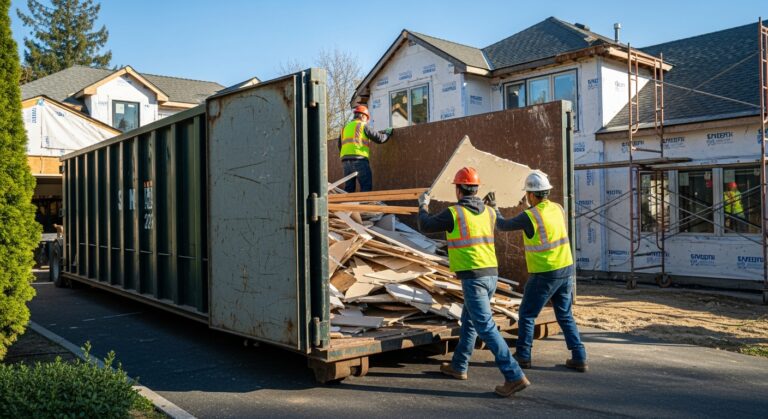
When a major project generates more debris than your standard trash cans can handle, the logistical challenge of waste removal can bring progress to a halt. Whether you’re overseeing a home renovation, clearing out an estate, managing a construction site, or tackling a large-scale landscaping overhaul, the accumulation of materials requires a robust solution. Renting a large trash container is often the most efficient and cost-effective answer, providing a centralized, high-capacity repository for all types of waste. However, navigating the rental process involves more than just placing an order; it requires understanding container sizes, rental terms, permitted materials, and placement logistics to ensure the service meets your project’s specific needs seamlessly and safely.
Understanding Your Project’s Dumpster Size Needs
Selecting the correct container size is the most critical step in the rental process. Choosing one that’s too small leads to overage fees or the need for a second rental, while an excessively large dumpster wastes money and occupies more space than necessary. Sizes are typically measured in cubic yards, which refers to the volume of material the container can hold. The key to an accurate estimate is visualizing the volume and type of debris you’ll generate. A common mistake is underestimating how much space loose, bulky items like furniture, drywall, or roofing shingles will consume. It’s often better to err on the side of a slightly larger size if your project scope is variable.
To make an informed decision, consider these common large container sizes and the projects they typically support. A 20-yard container, often about 22 feet long, is a versatile choice for medium-sized projects like kitchen or bathroom remodels, large basement cleanouts, or roof replacements on smaller homes. Stepping up to a 30-yard dumpster provides substantially more capacity, suitable for whole-home renovation projects, new construction like a large deck or addition, or major estate cleanouts. For the biggest jobs, such as commercial construction, multi-unit property cleanouts, or entire home demolitions, 40-yard containers offer maximum volume. They are also ideal for projects generating heavy but low-volume materials like concrete or dirt.
The Complete Process of Renting a Large Dumpster
Once you’ve identified your size requirements, the rental process is straightforward but involves several important considerations to ensure a smooth experience. Start by researching reputable local providers with positive reviews and clear pricing structures. When you contact a company for a quote, be prepared to provide detailed information. This transparency helps the company give you an accurate price and identify any potential issues upfront.
Essential details to have ready include your project’s location and the exact spot where you intend to place the dumpster, the rental duration you anticipate needing (typically 7-14 days), and a detailed list of the types of materials you plan to dispose of. Certain items are almost universally prohibited due to environmental regulations or safety hazards, including hazardous chemicals, paints, solvents, batteries, tires, and appliances containing Freon. Always confirm the specific rules with your provider. Based on this information, the company will provide a quote that should clearly outline all costs: the base rental fee, delivery and pickup charges, the allowed weight limit (tons), the rental period, and the fees for exceeding either the weight limit or the rental period.
To ensure your rental goes smoothly, follow this key checklist:
- Secure Permits: If the dumpster will be placed on a public street, sidewalk, or right-of-way, you will almost always need a permit from your city or town’s public works department. The rental company can often assist with this process for a fee.
- Prepare the Placement Site: The delivery truck needs clear, level access. The ground should be solid (paved driveway is ideal) to prevent sinking. Clear the area of vehicles, overhead branches, and other obstacles.
- Load Strategically and Safely: Distribute weight evenly and avoid stacking debris above the top of the container’s walls. Break down large items to save space. Never allow anyone to climb into the container.
- Schedule Pickup Promptly: Contact the company to schedule removal as soon as the container is full or your project is complete to avoid extended rental fees.
Maximizing Value and Avoiding Common Pitfalls
A successful large trash container rental is defined by both upfront planning and ongoing management. To get the best value, start by comparing quotes from at least two or three providers. Look beyond the base price; scrutinize what’s included. A slightly higher quote that includes all fees, a generous weight allowance, and a longer rental period can be a better deal than a low introductory price with many potential add-ons. Be wary of quotes that seem unusually cheap, as they may have strict weight limits or hidden fees for fuel, environmental charges, or administrative costs.
Communication with your rental company is paramount. Discuss any unique aspects of your property, such as a narrow driveway, a long carry distance from the work site to the dumpster, or low-hanging wires. The company can advise if they need to use a smaller truck or can suggest optimal placement. Furthermore, understanding the weight limits is crucial for budget control. Heavy materials like concrete, dirt, roofing shingles, and wet demolition debris add weight quickly. If your project involves significant amounts of these materials, consider discussing a dedicated container or a higher weight allowance from the start. Overweight fees are typically charged per ton over the limit and can be substantial.
Strategic Uses for Large Container Rentals
The applications for a large roll-off dumpster extend far beyond the stereotypical construction site. For homeowners, they are indispensable for major decluttering and estate cleanouts, providing a swift way to remove decades of accumulated belongings. Large landscaping projects, such as removing old decks, patios, sheds, or clearing overgrown brush and trees, generate bulky organic and construction waste perfectly suited for a dumpster. Property managers and landlords utilize these services during unit turnover or building-wide cleanouts to maintain property standards efficiently.
For contractors, the benefits are operational and financial. Having a designated large trash container on-site improves safety by keeping debris contained and organized, reducing trip hazards and the risk of injuries from scattered materials. It boosts productivity, as workers spend less time making trips to a distant disposal facility and more time on the job. It also provides a predictable cost for waste management, which can be accurately estimated and included in project bids. From community clean-up events and church renovation projects to small business warehouse clearouts, the ability to handle large volumes of waste in one centralized location is a powerful tool for project management.
Renting a large trash container is a strategic decision that streamlines waste management for significant projects. By carefully assessing your volume needs, understanding the full scope of rental terms, preparing your site, and loading responsibly, you can transform a potential logistical headache into a simple, efficient process. The right container acts as a silent partner in your project’s success, keeping the work area clean, safe, and focused on progress, ultimately saving you time, effort, and money while ensuring responsible disposal.
2 Responses