Managing waste efficiently is the cornerstone of any successful project, whether you’re renovating a kitchen, clearing an estate, or overseeing a commercial construction site. The wrong waste solution can lead to costly delays, safety hazards, and logistical nightmares. This is where a strategic roll off rental becomes not just a convenience, but a critical component of your project’s planning and budget. Understanding the nuances of container sizes, rental terms, and placement can transform a chaotic cleanup into a streamlined process. This guide will walk you through the essential considerations to ensure your roll off dumpster rental is a seamless and cost-effective part of your project’s success.
Understanding Roll Off Dumpster Basics and Applications
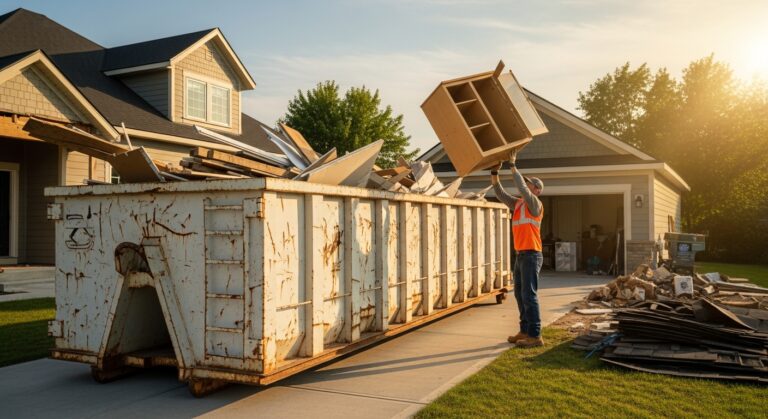
Unlike standard front-load dumpsters commonly seen behind businesses, a roll off dumpster is a large, open-top container designed for temporary use at a specific location. It is delivered and picked up on a specialized truck with hydraulic arms that “roll off” the container onto your site. This versatility makes it ideal for projects generating a large volume of waste over a short period. The applications are vast, extending far beyond simple home cleanouts. For residential purposes, roll off rentals are indispensable for major home renovations, roof replacements, large-scale landscaping, and estate cleanouts where accumulated debris is substantial.
In the commercial and construction realm, their utility skyrockets. Contractors rely on them for new construction sites, demolition projects, and office remodels. Property managers use them for building-wide cleanouts or after significant tenant turnover. Even industrial settings utilize roll off containers for non-hazardous material disposal during facility updates. The key is the temporary, high-capacity nature of the service, which provides a centralized, secure location for waste, promoting a safer and more organized worksite.
Selecting the Perfect Container Size for Your Project
Choosing the correct dumpster size is the single most important factor in controlling costs and avoiding frustration. Renting a container that’s too small means paying for an extra haul-away or a second rental. Renting one that’s too large is simply a waste of your budget. Sizes are typically measured in cubic yards, which refers to the volume of the container. Common sizes range from a modest 10-yard container, perfect for a small bathroom remodel or garage cleanout, to a massive 40-yard container, which is standard for new construction framing debris or large-scale demolition.
To make an informed decision, first take a realistic assessment of your debris. Break it down by material type and volume. A useful tip is to visualize a 10-yard dumpster as roughly the size of a standard pickup truck bed, but much deeper. For larger projects, our detailed resource on Choosing the Right Roll Off Dumpster provides a comprehensive breakdown to match your specific project type with the ideal container. When in doubt, it’s often wise to consult with your rental provider; a reputable company will ask detailed questions about your project to recommend the most efficient size.
Here is a quick reference guide to common project-to-size pairings:
- 10-Yard Container: Small bathroom remodel, garage/attic cleanout, minor landscaping debris.
- 20-Yard Container: Kitchen remodel, deck removal, large basement or whole-house cleanout, roofing projects (shingles only).
- 30-Yard Container: Major home addition, whole-house renovation, large commercial tenant improvement.
- 40-Yard Container: New construction, major demolition, large commercial cleanouts, and estate clearing with heavy furniture.
Remember, weight limits (or “tons included”) are just as crucial as volume. Heavy materials like concrete, dirt, or roofing shingles can reach the weight limit long before the container is visually full. Always discuss your debris materials with the rental company to understand potential overage charges.
The Rental Process and Critical Placement Logistics
Once you’ve determined the right size, the rental process is typically straightforward. You’ll schedule a delivery date for a specific rental period, often 7 to 10 days, with options to extend. A transparent quote should include all fees: delivery, pickup, rental period, weight allowance, and disposal. Be wary of quotes that seem unusually low, as they may hide extra charges for fuel, environmental fees, or overage costs. The best way to navigate this is covered in our broader guide to renting a dumpster, which outlines the key questions to ask any provider.
Before the truck arrives, you must plan the container’s placement. This step is often overlooked but vital for a smooth experience. The placement area needs to be a firm, level surface like a driveway, compacted gravel, or concrete. Avoid soft ground, which can cause the container to sink or tilt. You must also ensure there is clear, unobstructed overhead access free from power lines, tree limbs, or roof overhangs. The driver needs about 60 feet of length and 15 feet of width to maneuver the truck and roll off the container safely. Always obtain any necessary permits if you plan to place the dumpster on a public street or sidewalk; your rental company can often assist with this process.
Prohibited Items and Responsible Waste Disposal
Roll off dumpsters are designed for construction debris and bulk waste, not everyday household trash or hazardous materials. It is imperative to know what you cannot place in the container. Disposing of prohibited items can result in significant extra fees, the refusal of service, or even legal penalties. Common prohibited items include hazardous chemicals, paints, solvents, batteries, tires, appliances containing refrigerants (like air conditioners or refrigerators unless properly evacuated), and medical waste. Electronics like televisions and computers often require special recycling.
Responsible disposal starts with you. When loading the container, distribute weight evenly and break down large items like furniture or cardboard boxes to maximize space. Do not overfill the container above its top rim; this is a safety hazard during transport and is often illegal. If you have a mix of debris, consider separating recyclable materials like metals, clean wood, or concrete, which some companies may handle separately at a lower cost. Always confirm the final disposal practices of your rental company; reputable firms prioritize recycling and proper landfill diversion, aligning with sustainable project management goals.
A well-planned roll off rental is a silent partner in project success. By investing time in selecting the right size, understanding the logistics, and loading responsibly, you ensure that waste management supports your timeline and budget rather than hindering it. The efficiency, safety, and cleanliness it brings to your worksite are invaluable, allowing you to focus on the project itself, not the pile of debris it creates. Make your next cleanup or renovation a streamlined success by starting with the right container and a clear plan.