Managing a home renovation, a major yard cleanup, or a construction project in Newark means dealing with one inevitable challenge: what to do with all the waste. Piles of old drywall, discarded appliances, shattered concrete, and uprooted landscaping materials can quickly derail your timeline and budget. For Newark homeowners and contractors, securing the right debris container is not just a logistical step; it’s the foundation of a safe, efficient, and cost-effective project. This comprehensive guide will navigate you through the process of selecting, renting, and using a Newark debris container, ensuring your site stays clear and your project stays on track.
Understanding Your Debris Container Options in Newark
Not all debris containers are the same. The term often encompasses several types of waste receptacles, each designed for different volumes and types of materials. In Newark, local regulations and hauling company policies will define what you can place in these containers, making it critical to choose correctly from the start. Getting it wrong can lead to rejected pickups, additional fees, or even fines for improper disposal.
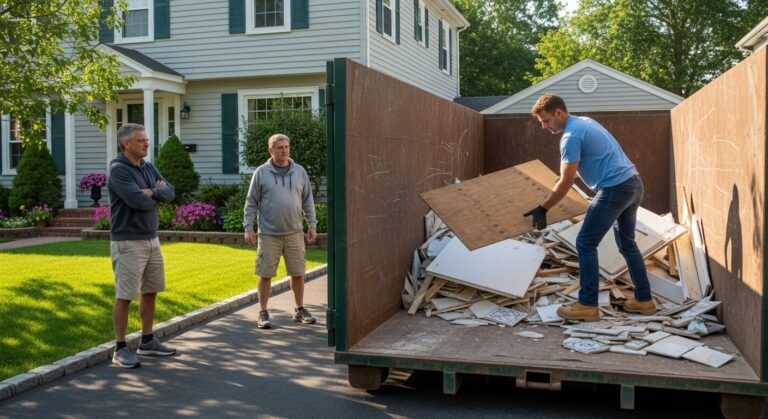
The most common option is the roll-off dumpster, a large, open-top container delivered on a specialized truck and placed at your location. These are ideal for large-scale projects like roof replacements, interior demolition, or whole-home cleanouts. For smaller projects, such as a garage organization or a single bathroom remodel, a smaller dumpster bag or a mini dumpster might be a more economical and space-efficient choice. Understanding the capacity, measured in cubic yards, is key. A 10-yard container might suffice for a small deck removal, while a full kitchen renovation could easily require 20 to 30 yards.
How to Choose the Right Size and Type for Your Project
Selecting the correct Newark debris container size is a balancing act between cost and convenience. Renting a container that’s too small means you’ll need a second haul, doubling your delivery and pickup fees. Renting one that’s too large is a waste of money and precious driveway or street space. Start by conducting a rough audit of your waste. Break down your project into material categories: bulky items (old furniture, appliances), construction debris (wood, drywall, metal), and heavy waste (dirt, concrete, asphalt).
Here is a general sizing guide for common Newark projects:
- 10-Yard Container: Ideal for a small bathroom vanity demo, a single-room floor replacement, or a significant yard waste cleanup. Fits about 2-3 truckloads of debris.
- 20-Yard Container: The most popular size for mid-sized projects. Perfect for a kitchen remodel, a full roof tear-off (shingles only), or clearing out a basement or attic.
- 30-Yard to 40-Yard Container: Designed for major construction, whole-house cleanouts, large-scale landscaping projects, or new home construction debris. These require significant space for placement.
Always consult with your Newark rental provider. Reputable companies have experience with local projects and can provide the best recommendation based on your specific list of materials. Be sure to ask about weight limits, as heavy debris like concrete or dirt can max out a container’s capacity by weight long before it’s full by volume.
Navigating Newark Permits and Placement Regulations
One of the most critical steps, often overlooked until the delivery truck arrives, is securing the necessary permissions for your debris container. In Newark, if you plan to place the container on any public property—including the street, sidewalk, or even a tree lawn—you will almost certainly need a permit from the Newark Department of Engineering. Placing a container in your own driveway or on private property typically does not require a permit, but you must confirm this with both your rental company and local ordinances.
The permit process protects public safety, ensures the container doesn’t block traffic or emergency vehicles, and may involve the placement of safety markers or lights around the container, especially if it’s left overnight. Your rental company may offer to handle the permit application for you, often for an additional fee. While this is a convenient service, it’s wise to understand the timeline and cost yourself. Permit approval can take several days, so factor this into your project schedule. Failure to obtain a required permit can result in fines from the city and the container being removed by authorities, causing major project delays.
What You Can and Cannot Toss in Your Newark Dumpster
Understanding disposal restrictions is non-negotiable. State and federal regulations prohibit certain materials from being disposed of in standard landfills, and mixing prohibited items can contaminate an entire load, leading to significant extra charges passed on to you. When you rent a Newark debris container, you are responsible for its contents.
Generally accepted materials include common construction and demolition debris like wood, drywall, metal, roofing materials, tile, and carpet. Non-construction bulk items like furniture and mattresses are also typically allowed. The most common prohibited items include hazardous materials (paint, solvents, chemicals, batteries), electronics (TVs, computers), appliances with refrigerants (freon), tires, and large quantities of dirt or concrete without prior approval. For items like old paint or broken electronics, Newark residents should utilize the Essex County Hazardous Waste Collection events or designated e-waste recycling centers. Always provide your rental company with a detailed list of what you plan to dispose of to avoid any surprises.
Maximizing Value and Avoiding Hidden Costs
The quoted price for a Newark debris container rental usually includes delivery, pickup, a designated rental period (often 7-10 days), and a set weight allowance. To ensure you get the best value and avoid unexpected fees, follow these key steps. First, get written, detailed quotes from at least three reputable local providers. Compare not just the base price, but the included rental period, the weight limit (tons), and what the overage charges are per ton if you exceed it.
Next, plan your loading strategy. Distribute weight evenly and break down large items to maximize space. Do not pile debris above the top of the container’s walls, as this is a safety hazard and will likely incur an overfill fee. Finally, be mindful of the rental clock. Know exactly when your container will be delivered and schedule your work to have it filled and ready for pickup by the agreed-upon date. Extending the rental period is usually possible but will add a daily or weekly fee. By communicating clearly with your provider, accurately estimating your needs, and loading efficiently, you can turn your Newark debris container from a simple cost into a tool that significantly boosts your project’s productivity and safety.
From a simple backyard cleanup to a full-scale construction site, having a dedicated place for waste is transformative. It promotes a safer work environment, keeps your property organized, and streamlines the entire cleanup process. By investing time in selecting the right Newark debris container and understanding the local rules, you’re not just renting a dumpster; you’re ensuring the smooth and successful execution of your project from start to finish.