
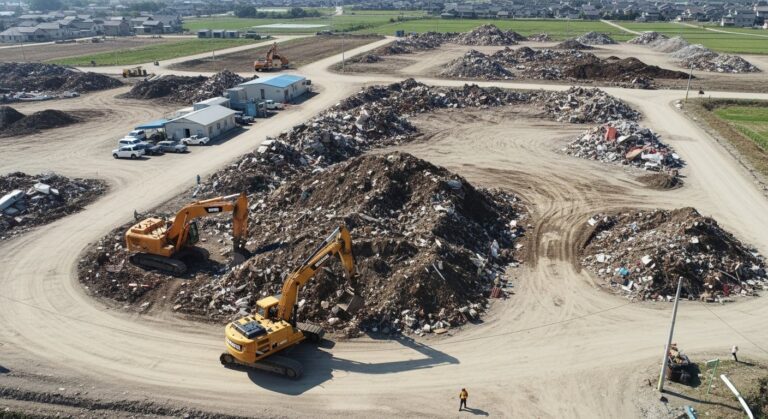
When a natural disaster strikes Arkansas, the aftermath often leaves property owners facing a massive cleanup. Mountains of debris from damaged homes, downed trees, and destroyed personal property must be removed quickly to restore safety and begin rebuilding. However, the process of sorting that debris is not just a matter of convenience. It is a critical step that directly determines whether your local government or private property qualifies for FEMA reimbursement. Understanding the specific rules for disaster debris sorting in Arkansas can mean the difference between receiving substantial federal aid and being left with an overwhelming financial burden. This article breaks down exactly how sorting works, what FEMA requires, and how Arkansas residents and municipalities can maximize their reimbursement.
Why Debris Sorting Matters for FEMA Reimbursement
FEMA does not issue blanket payments for debris removal. Instead, the agency follows strict guidelines that separate eligible from ineligible costs. The key to unlocking reimbursement lies in how debris is categorized and processed. In Arkansas, where severe storms, floods, and tornadoes are common, the volume of mixed debris can be enormous. FEMA requires that debris be sorted into specific categories: vegetative debris, construction and demolition (C&D) debris, hazardous waste, white goods (appliances), and electronics. Each category has its own disposal pathways and cost limits.
If debris is not sorted properly before transport, the entire load may be deemed ineligible for reimbursement. This can result in significant out-of-pocket expenses for counties, cities, and even private property owners who are managing their own cleanup. Proper sorting also speeds up the reimbursement process because FEMA auditors can easily verify that costs align with approved categories. For Arkansas communities that have experienced repetitive disasters, establishing a rigorous sorting protocol from day one is essential for financial recovery.
FEMA Categories for Debris Sorting in Arkansas
FEMA Public Assistance program funding for debris removal follows a category-based reimbursement model. Understanding these categories is the first step toward compliance. The following list outlines the primary debris categories recognized by FEMA and how they apply to Arkansas disaster scenarios.
- Vegetative Debris: Trees, limbs, leaves, and other plant material. This is the most common type of debris after windstorms and tornadoes. It must be kept separate from other debris types to qualify for chipping, mulching, or landfill disposal reimbursement.
- Construction and Demolition (C&D) Debris: Wood, drywall, roofing materials, concrete, bricks, and metal from damaged buildings. This category has higher disposal costs and requires separate hauling.
- Hazardous Waste: Chemicals, paints, batteries, pesticides, and propane tanks. These items require special handling and cannot be mixed with other debris. FEMA reimburses only if proper containment and disposal protocols are followed.
- White Goods: Refrigerators, washers, dryers, and air conditioners. These appliances often contain refrigerants that must be recovered before disposal. Separate collection and documentation are required.
- Electronics: Televisions, computers, and other e-waste. These items must be recycled or disposed of at approved facilities, and FEMA tracks reimbursement separately.
Each category has distinct documentation requirements. For example, vegetative debris may be eligible for reduced disposal costs if it is chipped and used for mulch rather than landfilled. Arkansas communities that plan ahead can negotiate lower tipping fees at landfills by pre-sorting C&D debris from vegetative material. This proactive approach not only improves reimbursement rates but also reduces the environmental impact of the cleanup.
The Arkansas Context: Unique Challenges and Opportunities
Arkansas faces frequent severe weather events, including tornadoes, ice storms, and flash floods. The state’s geography, with its mix of urban areas, rural farmland, and forested regions, creates diverse debris profiles. For instance, a tornado that tears through a residential neighborhood in Little Rock will produce a high volume of C&D debris mixed with vegetative material. In contrast, an ice storm in the Ozarks may down thousands of trees but leave buildings largely intact. Each scenario requires a tailored sorting approach.
One of the biggest challenges in Arkansas is the logistics of sorting in rural areas. Limited landfill capacity and longer transport distances can increase costs. FEMA reimbursement can offset these expenses, but only if the sorting process is documented with weight tickets, load counts, and category verification. Local governments in Arkansas have learned to establish temporary debris staging areas where sorting occurs before transport. These staging areas are critical for compliance and are often the difference between a successful reimbursement claim and a denied one.
For private property owners, the stakes are also high. While FEMA primarily reimburses public entities and certain nonprofits, individuals can sometimes access reimbursement through the Individuals and Households Program (IHP) for debris removal from their property. However, the same sorting rules apply. If a homeowner mixes hazardous waste with regular trash, they risk losing reimbursement eligibility. Understanding these rules before starting cleanup is essential.
Step-by-Step Process for Debris Sorting and Reimbursement
To navigate FEMA reimbursement successfully, Arkansas entities should follow a structured process. The steps below outline the typical workflow from disaster declaration to final reimbursement.
Step 1: Obtain a Disaster Declaration
Before any FEMA reimbursement is possible, the disaster must be declared a federal emergency by the President. This declaration triggers the Public Assistance program. Arkansas counties and municipalities must submit a Request for Public Assistance (RPA) within 30 days of the declaration. Without this step, no debris removal costs are eligible. It is crucial to monitor FEMA announcements and coordinate with the Arkansas Division of Emergency Management (ADEM) to ensure timely submission.
Step 2: Set Up Debris Staging and Sorting Areas
Once the declaration is in place, the next step is to establish designated areas where debris can be sorted. These staging areas should be located on public land with easy access for trucks. The site must have separate zones for each debris category. FEMA auditors will inspect these areas to verify compliance. In Arkansas, many communities use former industrial sites, fairgrounds, or vacant lots as staging areas. The key is to have clear signage and trained personnel directing traffic so that residents and contractors deposit debris in the correct zone.
Step 3: Implement Sorting Protocols
Sorting must begin at the point of collection. For curbside pickup, crews should be trained to identify and separate debris types as they load trucks. If debris is collected mixed, it must be re-sorted at the staging area before transport to final disposal. This adds cost, so doing it correctly from the start is more efficient. FEMA allows reimbursement for labor and equipment used in sorting, including loaders, excavators, and trucks. Proper documentation of hours and equipment usage is essential.
Step 4: Document Every Load
Documentation is the backbone of FEMA reimbursement. For each load of debris, you must record the debris category, weight or volume, origin location, disposal site, and date. Weight tickets from certified scales are the gold standard. For vegetative debris, volume estimates may be accepted if scales are not available, but they must be calculated using FEMA-approved methods. In Arkansas, the state often provides guidance on acceptable documentation formats through ADEM. Keeping digital records with photos and GPS coordinates can strengthen your claim.
Step 5: Submit Reimbursement Claims
Claims are submitted through the FEMA Grants Portal. Each project (e.g., debris removal from a specific area) must have a separate claim. The claim must include all documentation, a summary of costs, and a certification that sorting and disposal followed FEMA guidelines. Arkansas entities typically work with a public assistance coordinator from ADEM to review claims before submission. This step reduces the risk of errors that could delay payment.
Common Mistakes That Jeopardize Reimbursement
Even experienced disaster managers make errors that cost their communities thousands of dollars. One of the most frequent mistakes is failing to separate hazardous waste from other debris. A single load containing a paint can or a propane tank can render the entire truckload ineligible. Another common error is using unapproved disposal sites. FEMA maintains a list of approved landfills and recycling facilities. Transporting debris to an unapproved site, even if it is closer, will result in denied reimbursement.
Arkansas property owners also sometimes assume that FEMA will reimburse them directly for private debris removal. In most cases, FEMA reimburses state and local governments, which then contract with cleanup companies. Individuals may qualify for IHP grants, but these are capped and require proof of insurance denial. Mixing private and public debris streams can complicate reimbursement. It is best to keep private property debris separate from public right-of-way debris and to document all expenses carefully.
In our guide on Debris Cleanup After a Disaster: Arkansas Homeowner Tips, we explain how to coordinate with local authorities and avoid common pitfalls that lead to denied claims. That resource provides additional context for homeowners navigating the aftermath of a storm.
Maximizing Reimbursement Through Strategic Sorting
Strategic sorting goes beyond mere compliance. It can actually increase the total reimbursement amount. For example, vegetative debris that is chipped into mulch may qualify for a lower disposal fee, but FEMA also reimburses the cost of chipping equipment and labor. Similarly, recycling metal from C&D debris can generate revenue that offsets other costs. Some Arkansas communities have turned disaster debris into a resource by partnering with recycling facilities. These partnerships require pre-sorting at the staging area, but the financial return can be significant.
Another strategy is to prioritize removal of debris that poses an immediate public health or safety risk. FEMA allows for expedited reimbursement for debris that blocks roads, threatens infrastructure, or creates fire hazards. By sorting and removing these priority items first, communities can demonstrate good stewardship and speed up the reimbursement timeline. Arkansas counties that have used this approach have reported faster payments and fewer audit findings.
Documentation of volunteer labor is another opportunity. If community volunteers assist with sorting, their time can be valued and included in the reimbursement claim, provided that proper records are kept. Volunteer hours are reimbursed at a standard rate set by FEMA. This can be a significant boost for small towns with limited budgets.
Working with Contractors and Dumpster Rentals
Many Arkansas municipalities and property owners hire contractors to handle debris removal. When doing so, it is critical to include sorting requirements in the contract. The contract should specify that the contractor must sort debris into FEMA-approved categories, provide daily documentation, and only use approved disposal sites. Failure to include these terms can result in the contractor mixing debris, which then jeopardizes reimbursement.
Dumpster rentals are often the most practical solution for residential and small commercial cleanup. However, not all dumpster rental companies understand FEMA requirements. In Arkansas, working with a provider that has experience with disaster debris is advisable. They can supply separate dumpsters for each debris category and provide weight tickets that meet FEMA standards. This investment in proper equipment upfront saves time and money during the reimbursement process.
For large-scale disasters, roll-off dumpsters are commonly used for C&D debris, while open-top containers are better for vegetative material. White goods and electronics require specialized containers that prevent leakage and allow for safe transport. A knowledgeable rental company can help you select the right containers and provide guidance on sorting protocols.
Looking Ahead: Preparing for Future Disasters
Arkansas will continue to face natural disasters, and the FEMA reimbursement process will evolve. Staying informed about changes to FEMA policy is essential. For example, recent updates have emphasized climate resilience and may require communities to incorporate green disposal methods into their debris management plans. Pre-disaster planning, including pre-approved staging areas and contracts with haulers, can significantly speed up reimbursement after a declaration.
Communities that invest in training for public works employees on debris sorting and documentation will recover faster. ADEM offers workshops and resources for local governments. Property owners can also benefit from understanding the basics of FEMA categories so they can sort debris on their own property before it is collected. This reduces the burden on public resources and increases the likelihood of reimbursement for individual claims.
Ultimately, disaster debris sorting is not just a bureaucratic hurdle. It is a practical strategy for financial recovery. By taking sorting seriously, Arkansas communities and residents can turn a chaotic cleanup into a manageable process that secures the federal funding they need to rebuild. The effort invested in sorting today pays dividends in faster, more complete reimbursement tomorrow.