
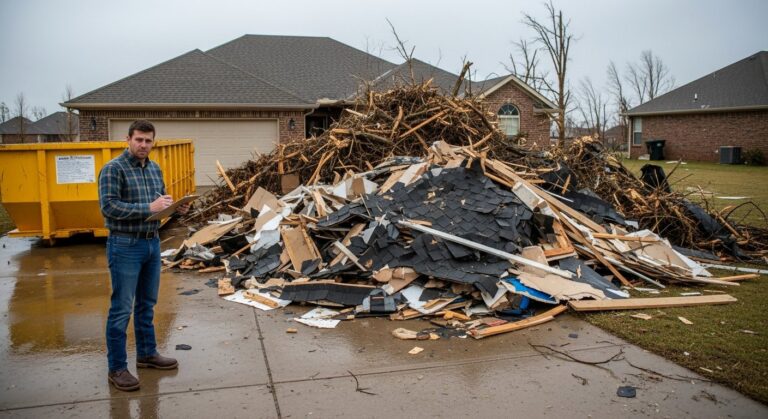
When a natural disaster strikes your Arkansas home, the immediate shock and emotional toll are quickly followed by a daunting reality: mountains of debris. Fallen trees, damaged roofing, shattered drywall, soaked insulation, and ruined personal belongings can pile up faster than you ever imagined. For Arkansas homeowners, managing this wreckage is not just about clearing a path. It is about navigating local regulations, protecting your property value, coordinating with insurers, and avoiding costly mistakes that can delay your recovery. Understanding the fundamentals of disaster debris management Arkansas homeowners face after a storm, flood, or tornado is the first step toward regaining control and rebuilding your life.
This guide walks you through the entire process, from initial safety assessments to final disposal. We will cover how to separate waste types, who is responsible for what, when to hire professionals, and how to maximize your insurance claim. Whether you are dealing with a few downed branches or a house full of flood-soaked contents, having a clear plan will save you time, money, and frustration.
Understanding Your Debris Management Responsibilities
After a disaster, many homeowners assume that local government will handle all debris removal. While cities and counties often coordinate large-scale pickup on public roads and rights-of-way, the responsibility for debris on private property typically falls squarely on the homeowner. This distinction is critical. If a tree from your neighbor’s yard falls into your living room, your insurance and your cleanup plan come into play. If a public street is blocked by debris from your property, the city may clear it but could later bill you for the cost.
Disaster debris management Arkansas homeowners must understand begins with a simple rule: know your property lines. Debris that sits on your side of the property line is your responsibility, even if it originated from a public source. This includes fallen limbs, structural debris, and contaminated materials. Failing to address it promptly can lead to health hazards, pest infestations, and fines from local code enforcement. In some cases, FEMA may reimburse certain private property debris removal costs if you follow their guidelines, but this is not automatic. You must document everything and apply for assistance within the designated window.
Another layer of complexity comes from the type of debris. Regular household waste is handled differently than hazardous materials like paint, batteries, or propane tanks. Arkansas homeowners should separate debris into categories immediately after a disaster. This not only speeds up disposal but also helps with insurance claims and potential reimbursement. Common categories include vegetative debris (trees, branches, leaves), construction and demolition debris (drywall, lumber, roofing), household hazardous waste (chemicals, electronics), and white goods (appliances like refrigerators and water heaters). Each category has specific disposal rules and often requires different hauling methods.
Safety First: Assessing and Sorting Debris
Before you lift so much as a single board, safety must be your top priority. Disaster debris is unpredictable. Nails may be hidden in mud, broken glass can be buried under leaves, and unstable structures can collapse under their own weight. The first step in any cleanup is a careful walk-through of your property, preferably with a partner who can call for help if needed. Wear thick gloves, sturdy boots, a hard hat, and a dust mask or respirator. If you suspect mold or chemical contamination, upgrade to a full-face respirator with appropriate filters.
Once you have assessed the scene, begin sorting debris into the categories mentioned earlier. This is where a systematic approach pays off. Create separate piles for each type of material, and keep them at least 10 feet away from any structures, fire hydrants, or utility lines. Do not mix vegetative debris with construction materials, as landfills and recycling centers charge different rates and may reject mixed loads. For example, a load of lumber mixed with wet leaves might be considered contaminated and could be turned away entirely.
Arkansas homeowners should also be aware of hidden dangers like downed power lines. Even if a line appears dead, it could be energized by a backup generator or a damaged transformer. Assume all downed lines are live and report them to your utility company immediately. Similarly, natural gas leaks can occur when debris strikes a gas meter or pipeline. If you smell gas, leave the area and call the gas company from a safe distance. These hazards are rare but serious, and they underscore why disaster debris management Arkansas homeowners undertake must include a thorough safety review before any physical work begins.
Navigating Local Regulations and Permits
Arkansas is a patchwork of local ordinances when it comes to debris disposal. What is acceptable in Little Rock may be forbidden in Fayetteville or Jonesboro. Before you haul anything to a landfill or burn pile, check with your county’s solid waste department or local emergency management office. Many counties issue temporary waivers after a disaster, allowing homeowners to dispose of storm debris at no cost for a limited period. Others require permits for large-scale burning, and some ban open burning altogether due to air quality concerns.
One common mistake is assuming that all debris can be taken to the local transfer station or convenience center. Many facilities have size limits, weight limits, and material restrictions. For instance, a 30-foot oak tree limb may not fit in a standard roll-off dumpster, and painted or treated wood may be classified as hazardous waste. Arkansas homeowners should call ahead or check the facility’s website to confirm what they accept. Some counties also offer curbside pickup for storm debris, but you must follow specific rules about pile size, placement, and separation. Violating these rules can result in your debris being left behind or a fine being issued.
If you plan to hire a contractor or rent a dumpster, ensure they are licensed and insured. Unlicensed haulers may dump your debris illegally, leaving you vulnerable to fines or lawsuits. In our guide on disaster debris rental solutions for Tuckerman property owners, we explain how to verify credentials and choose a provider who complies with local regulations. A reputable company will handle permits, weight limits, and proper disposal so you can focus on rebuilding.
Insurance Claims and Documentation
Your homeowner’s insurance policy is your primary financial tool for disaster recovery, but it requires meticulous documentation. Start by photographing and video recording every area of damage before any cleanup begins. Capture wide shots of the entire property, close-ups of specific damage, and images of debris piles. If you can safely do so, photograph the debris in its original location before moving it. This evidence is critical when disputing a claim or applying for FEMA assistance.
Next, create a detailed inventory of damaged or destroyed items. For each item, note the brand, model, approximate age, purchase price, and replacement cost. If you have receipts, warranties, or serial numbers, include them. This inventory will serve as the backbone of your insurance claim. Many insurers require a separate list for structural damage versus personal property damage. Keep all documents in a waterproof folder or digital cloud storage. Disaster debris management Arkansas homeowners should treat documentation as a non-negotiable step, not an afterthought.
When you file your claim, an adjuster will visit your property to assess the damage. Be present during the inspection and point out all areas of concern. If the adjuster misses something, ask them to add it to their report. You are entitled to a copy of the adjuster’s estimate. Review it carefully and compare it with your own inventory. If you disagree with the valuation, you can request a reappraisal or hire a public adjuster to advocate on your behalf. Remember, insurance companies are for-profit businesses. They may try to minimize payouts. Your thorough documentation is your best defense.
Choosing Between DIY Cleanup and Professional Services
For minor debris, many Arkansas homeowners opt to handle cleanup themselves. This can save money and give you a sense of control. However, DIY cleanup has hidden costs: your time, physical risk, and the potential for improper disposal. If you choose this route, rent a dumpster that matches the volume and type of your debris. A 20-yard roll-off is suitable for most residential storm cleanup, while a 30-yard container may be needed for larger jobs involving structural demolition. Place the dumpster on a flat, stable surface near the debris source to minimize carrying distance.
Professional disaster debris management Arkansas homeowners hire a service can be a wise investment for moderate to severe damage. Professionals bring heavy equipment like skid steers and excavators, trained crews who know how to handle hazardous materials, and relationships with local disposal facilities that can save you money on tipping fees. They also carry liability insurance, which protects you if a worker is injured on your property. When interviewing companies, ask for a written estimate that includes hauling, disposal, and any permit fees. Avoid companies that ask for full payment upfront or refuse to provide proof of insurance.
One factor that often tips the scale toward professional help is the presence of hazardous materials. Flooded homes frequently contain mold, sewage, and chemical contaminants. Tornadoes can scatter asbestos-laden drywall and lead-based paint chips. These materials require special handling and disposal protocols that are beyond the scope of most DIY efforts. A professional cleanup crew will test for these hazards, contain them safely, and dispose of them at approved facilities. This not only protects your health but also ensures you comply with Arkansas environmental regulations.
Key Steps for Efficient Debris Removal
To streamline your cleanup, follow a structured workflow that prioritizes safety and efficiency. Here are the essential steps every Arkansas homeowner should take after a disaster:
- Document everything first. Photograph and inventory all damage before moving any debris. This preserves evidence for insurance and potential FEMA claims.
- Separate debris by type. Create distinct piles for vegetative, construction, hazardous, and white goods materials. This speeds up disposal and reduces costs.
- Contact your local solid waste authority. Ask about temporary waivers, drop-off locations, and burning restrictions specific to your county.
- Hire or rent wisely. Choose a licensed, insured dumpster rental company or cleanup contractor. Verify their credentials and ask for a detailed quote.
- Dispose of hazardous materials separately. Never mix chemicals, batteries, or electronics with regular debris. Use designated collection events or facilities.
Following these steps will help you avoid common pitfalls like mixed loads being rejected at the landfill or insurance claims being denied due to insufficient documentation. Each step builds on the previous one, creating a logical chain from initial assessment to final disposal. Arkansas homeowners who follow this workflow typically recover faster and with less financial strain than those who jump in without a plan.
Environmental Considerations and Recycling Options
Disaster debris management Arkansas homeowners should also consider the environmental impact of their cleanup. Landfills across the state are filling up, and storm events can overwhelm local capacity. Whenever possible, look for recycling and reuse options. Vegetative debris can often be chipped into mulch for landscaping or ground cover. Many counties offer free mulch from storm debris at designated sites. Concrete, brick, and asphalt can be crushed and used as base material for roads or driveways. Metal from appliances, roofing, and structural components can be sold to scrap yards, putting cash back in your pocket.
Electronics and appliances, known as e-waste and white goods, require special handling. Refrigerators, air conditioners, and dehumidifiers contain refrigerants that must be recovered by a certified technician before disposal. Televisions, computers, and batteries contain heavy metals like lead and mercury that can leach into groundwater if sent to a landfill. Arkansas has several e-waste recycling programs, and some retailers offer take-back services when you purchase a new appliance. Check with your county extension office or environmental department for a list of approved recyclers in your area.
Burning debris is a common but often ill-advised practice after a disaster. While open burning is legal in some rural areas of Arkansas, it creates air pollution and can quickly get out of control. Many counties issue burn bans during dry conditions, and burning treated wood or plastics releases toxic fumes. If you must burn, obtain a permit, follow all restrictions, and never leave the fire unattended. A safer alternative is to chip or grind vegetative debris on site, which reduces volume and creates a useful byproduct.
Working With Your Community and Neighbors
Disasters have a way of bringing communities together. Arkansas homeowners can often share resources, equipment, and labor to speed up cleanup. If several homes on your street were affected, consider coordinating a neighborhood-wide debris pickup. This can reduce costs by sharing a single large dumpster or hiring a contractor for multiple properties. It also creates a sense of collective purpose that can be emotionally healing after a traumatic event.
Be mindful of neighbors who may be elderly, disabled, or otherwise unable to handle their own debris. Offering help is a powerful act of kindness, but respect their autonomy. Ask before entering their property and work at their pace. Some local churches and nonprofit organizations organize volunteer cleanup crews after major disasters. If you need help or want to give it, reach out to your local emergency management office or volunteer center. They can connect you with vetted groups that have the proper training and equipment.
Finally, stay informed about ongoing recovery resources. Arkansas often receives federal disaster declarations that unlock low-interest loans, grants, and other assistance. The deadline to apply for FEMA individual assistance is typically 60 days from the disaster declaration date. Missing this window can leave you without critical funding. Bookmark your county’s emergency management website and sign up for alerts so you do not miss important updates. Disaster debris management Arkansas homeowners handle today lays the foundation for a successful recovery tomorrow.
Cleaning up after a disaster is never easy, but with the right knowledge and resources, you can navigate the process with confidence. Focus on safety first, document everything, separate your debris, and lean on professional help when the job is too big or too dangerous. By taking these steps, you protect your home, your health, and your financial future. The debris will be cleared, and life will return to normal. Your careful planning and effort will make that day come sooner.