
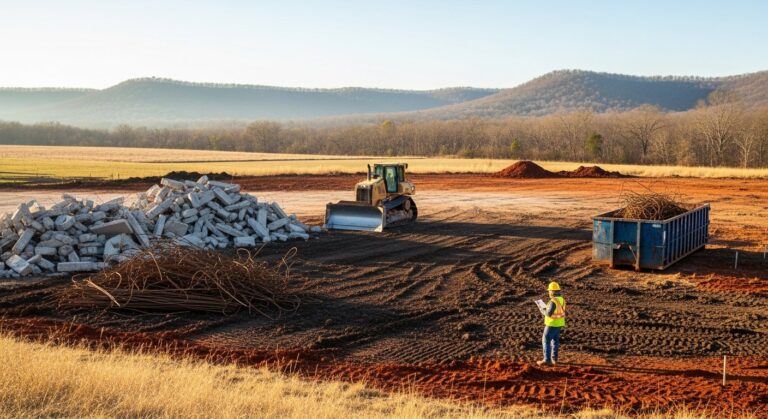
When the dust settles after a demolition, the real work begins. Across Arkansas, from the Ozarks to the Delta, property owners and contractors face a critical phase that determines whether a site is ready for new construction or remains a liability. Post demolition site preparation in Arkansas involves more than clearing rubble; it requires careful planning, regulatory compliance, and strategic execution to ensure safety, environmental protection, and cost efficiency. Without proper preparation, you risk delays, fines, and structural issues that can haunt a project for years.
Arkansas presents unique challenges for post demolition work. The state’s varied topography, from mountainous terrain to floodplains, affects drainage, soil stability, and debris management. Additionally, local ordinances in cities like Little Rock, Fayetteville, and Jonesboro impose specific requirements for grading, erosion control, and waste disposal. Understanding these nuances is essential for anyone undertaking a demolition project in the Natural State.
This guide walks you through the essential steps, common pitfalls, and best practices for post demolition site preparation in Arkansas. Whether you are a general contractor, a homeowner managing a renovation, or a developer planning a commercial build, these insights will help you navigate the process with confidence.
Understanding the Scope of Post Demolition Work
Post demolition site preparation in Arkansas begins with a thorough assessment of what remains after a structure is taken down. Demolition leaves behind not only visible debris but also hidden hazards such as contaminated soil, underground storage tanks, and compromised utility lines. Before any grading or building can occur, you must address these issues to create a clean, stable, and compliant site.
The scope of work typically includes debris removal and sorting, soil testing, grading for proper drainage, and compaction to prevent settling. In Arkansas, where clay soils are common, compaction is especially important to avoid future foundation problems. You may also need to manage stormwater runoff, especially if your site is near a waterway or in a flood zone.
One often overlooked aspect is the separation of materials for recycling or disposal. Arkansas has regulations governing the disposal of construction and demolition debris, and certain materials like asphalt, concrete, and metals can be recycled locally. Proper sorting not only reduces landfill costs but also supports sustainable building practices.
Regulatory Requirements in Arkansas
Navigating the regulatory landscape is a key part of post demolition site preparation in Arkansas. Depending on your location and project scope, you may need permits from city or county planning departments, the Arkansas Department of Environmental Quality (ADEQ), or the Arkansas Natural Resources Commission (ANRC).
Key regulatory considerations include:
- Stormwater permits: If your site disturbs one acre or more, you must obtain a National Pollutant Discharge Elimination System (NPDES) permit from ADEQ. This requires a Stormwater Pollution Prevention Plan (SWPPP) with erosion and sediment controls.
- Solid waste management: Demolition debris must be disposed of at a permitted landfill or recycling facility. ADEQ regulates these facilities and may require waste tracking for certain materials.
- Asbestos and hazardous materials: If the demolished structure contained asbestos, lead paint, or other hazardous substances, you must follow federal and state guidelines for abatement and disposal. ADEQ provides specific protocols for handling these materials.
- Utility disconnections: You must coordinate with utility providers to ensure that gas, electric, water, and sewer lines are properly capped or removed. Failure to do so can result in safety hazards and legal liability.
Working with a professional who understands these requirements can save time and prevent costly mistakes. Many contractors in Arkansas offer turnkey post demolition services that include permit handling and regulatory compliance.
Step-by-Step Process for Site Preparation
Effective post demolition site preparation in Arkansas follows a logical sequence of steps. While each project is unique, the following framework provides a reliable starting point.
Step 1: Debris Removal and Sorting
The first priority is clearing the site of all demolition debris. This includes concrete, wood, metal, drywall, roofing materials, and any other waste. In Arkansas, many recycling centers accept clean concrete and metal, reducing disposal costs and environmental impact. Wood can often be chipped for mulch or used as biomass fuel.
Sorting should occur on-site or at a transfer station. Mixed debris is more expensive to dispose of because it requires additional processing. By separating materials, you not only save money but also comply with local recycling mandates in some Arkansas municipalities.
Step 2: Soil Testing and Remediation
After debris removal, the exposed soil should be tested for contamination. In Arkansas, common contaminants include petroleum hydrocarbons from old vehicle storage, pesticides from agricultural use, and heavy metals from industrial activities. If contamination is found, you may need to remove and replace the affected soil or apply remediation techniques such as bioremediation.
Soil testing also determines the bearing capacity and composition of the ground. This information is critical for foundation design and grading plans. Geotechnical engineers in Arkansas often recommend deep compaction or soil stabilization for sites with expansive clay soils.
Step 3: Grading and Drainage
Proper grading ensures that water flows away from the building site and does not pool or cause erosion. In Arkansas, where heavy rains are common, drainage is a top priority. The site should be graded to a slope of at least 1 to 2 percent away from the proposed structure. Swales, retention ponds, or French drains may be necessary to manage runoff.
Erosion control measures, such as silt fences, straw wattles, and hydroseeding, must be installed before grading begins if you are working under a stormwater permit. These controls prevent sediment from leaving the site and entering nearby waterways, which is a common cause of ADEQ violations.
Step 4: Compaction and Base Preparation
Once the site is graded, the soil must be compacted to support the new structure. Compaction increases soil density and reduces the risk of settling. In Arkansas, contractors often use vibratory rollers or plate compactors to achieve the required density, which is typically 95 percent of the maximum dry density as determined by a Proctor test.
For sites with poor soil, such as those with high clay content or organic material, you may need to remove the unsuitable soil and replace it with engineered fill. This process, known as over-excavation and replacement, adds cost but ensures long-term stability.
Step 5: Utility Planning and Installation
Before construction begins, you must plan for new utility connections. This includes water, sewer, electric, gas, and telecommunications. In some cases, existing utility lines from the demolished structure can be reused, but they must be inspected and approved by the local utility provider.
In Arkansas, you must also consider the location of underground utilities to avoid damage during excavation. Calling 811 before digging is a legal requirement and a safety best practice. The Arkansas One Call system will mark the location of buried lines, helping you avoid costly and dangerous accidents.
Common Challenges and How to Overcome Them
Post demolition site preparation in Arkansas comes with its share of challenges. Being aware of these issues in advance allows you to plan accordingly and avoid delays.
One frequent challenge is dealing with unexpected buried debris. Older structures may have foundations, underground storage tanks, or buried trash that were not documented. When excavation reveals these surprises, you must stop work, assess the situation, and potentially obtain additional permits for removal. Budgeting a contingency of 10 to 15 percent for such discoveries is wise.
Another challenge is managing stormwater during wet seasons. Arkansas experiences significant rainfall, especially in spring and fall. If your site is not properly protected, erosion can undermine grading work and carry sediment into storm drains. Using temporary erosion controls and scheduling earthwork during drier months can mitigate this risk.
Finally, coordination with multiple stakeholders can be difficult. You may need to work with demolition contractors, waste haulers, soil testing labs, geotechnical engineers, and regulatory agencies all at once. Clear communication and a detailed project schedule are essential to keep everyone aligned.
For more detailed information on managing stormwater on Arkansas construction sites, refer to our guide on Stormwater Pollution Prevention for Arkansas Construction Sites. This resource covers permit requirements, best practices, and common pitfalls specific to the state.
Cost Considerations and Budgeting
The cost of post demolition site preparation in Arkansas varies widely depending on the size of the site, the amount of debris, soil conditions, and regulatory requirements. On average, you can expect to spend between $2,000 and $10,000 for a typical residential lot, while commercial sites can run $20,000 or more.
Key cost drivers include:
- Debris removal and disposal: Hauling and landfill fees can add up quickly, especially for mixed waste. Recycling concrete and metal can reduce these costs by 30 to 50 percent.
- Soil testing and remediation: Basic soil tests cost $500 to $1,500, while remediation can range from a few thousand dollars for minor contamination to tens of thousands for extensive cleanup.
- Grading and compaction: Hiring an excavator and operator typically costs $100 to $200 per hour. For a standard lot, expect 8 to 16 hours of work.
- Permits and fees: Permit costs vary by jurisdiction but generally fall between $200 and $1,000. Stormwater permits may require additional fees and professional engineering services.
- Erosion control: Temporary measures like silt fences and hydroseeding cost $500 to $3,000, depending on the size of the site.
To keep costs under control, obtain multiple quotes from contractors, plan your work during dry seasons to avoid weather delays, and consider doing some tasks in-house if you have the equipment and expertise. Many Arkansas contractors offer free estimates, so take advantage of that before committing to a budget.
Environmental and Safety Best Practices
Responsible post demolition site preparation in Arkansas prioritizes environmental stewardship and worker safety. The state’s natural resources, including its rivers, forests, and wildlife, depend on careful management of construction activities.
Safety begins with a site-specific safety plan that addresses hazards such as heavy equipment operation, dust inhalation, and unstable ground. All workers should wear appropriate personal protective equipment (PPE), including hard hats, steel-toed boots, and respirators when working in dusty conditions. In Arkansas, heat stress is also a concern during summer months, so hydration and rest breaks are important.
Environmental best practices include minimizing dust through water sprays, preventing sediment runoff with proper controls, and recycling as much material as possible. Arkansas has several facilities that accept clean concrete, asphalt, and metal for recycling, reducing the burden on landfills. Additionally, preserving topsoil for later use in landscaping can save money and improve the final appearance of the site.
If your site is located near a sensitive area, such as a wetland or a stream, you may need to establish a buffer zone and limit disturbance. The Arkansas Natural Resources Commission provides guidance on protecting these areas during construction.
Choosing the Right Professionals
Selecting experienced professionals is critical to successful post demolition site preparation in Arkansas. Look for contractors who are licensed, insured, and familiar with local regulations. Ask for references and visit completed projects if possible.
Key professionals you may need include:
- Demolition contractors: They handle the initial tear-down and often offer post demolition cleanup services.
- Excavation and grading contractors: These specialists shape the site to your specifications.
- Geotechnical engineers: They perform soil testing and provide recommendations for foundation design.
- Environmental consultants: They manage hazardous material abatement and regulatory compliance.
- Waste haulers and dumpster rental companies: They provide containers and transport debris to disposal or recycling facilities.
Dumpster rental is a convenient option for managing debris on smaller sites. Many Arkansas companies offer roll-off dumpsters in various sizes, allowing you to dispose of waste as you work. This approach is especially useful for DIY projects or when you need to control costs by sorting materials on-site.
When vetting professionals, ask about their experience with Arkansas-specific regulations and their approach to unexpected challenges. A contractor who has worked in your area will understand the local soil conditions, weather patterns, and permitting processes.
Post demolition site preparation in Arkansas is a complex but manageable process when approached systematically. By understanding the regulatory requirements, following a step-by-step plan, and working with qualified professionals, you can transform a demolished site into a clean, safe, and ready-to-build property. Whether you are constructing a new home, a commercial building, or a public space, the groundwork you lay now will determine the success of your project for years to come.