
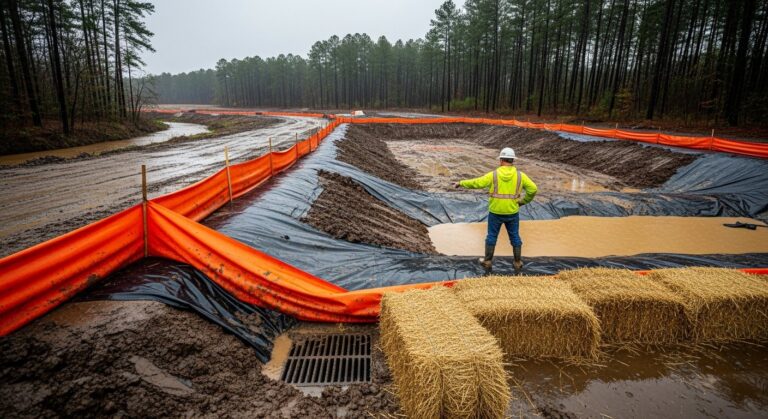
Construction sites across Arkansas face a critical environmental responsibility: preventing stormwater pollution. When rain falls on disturbed soil, it does not just soak into the ground. It picks up sediment, oil, chemicals, and debris, then carries these pollutants into nearby streams, rivers, and lakes. For contractors and developers working in the Natural State, compliance with stormwater regulations is not optional. It is a legal and ethical obligation that protects water quality and avoids costly fines. This article provides a comprehensive look at stormwater pollution prevention for construction sites in Arkansas, covering regulations, best practices, and practical steps to keep your project compliant and environmentally sound.
Why Stormwater Pollution Prevention Matters on Arkansas Construction Sites
Arkansas is home to over 9,700 miles of rivers and streams, including the Arkansas River, the White River, and the Buffalo National River. These waterways support drinking water supplies, recreation, agriculture, and diverse ecosystems. Construction activities, however, are a leading source of sediment pollution. According to the U.S. Environmental Protection Agency, sediment from construction sites can be up to 10 times greater than that from agricultural land and 1,000 times greater than that from forested areas. This sediment clouds water, harms aquatic life, and clogs drainage systems. Beyond sediment, construction sites contribute to contamination from concrete washout, paint, solvents, and fuels. Stormwater pollution prevention is therefore essential to safeguard Arkansas’s natural resources and public health.
For contractors in Arkansas, failing to manage stormwater runoff can lead to serious consequences. The Arkansas Department of Energy and Environment (DEQ) enforces the National Pollutant Discharge Elimination System (NPDES) permit program for construction sites. Sites that disturb one or more acres of land must obtain coverage under the General Permit for Stormwater Discharges from Construction Activities. Violations can result in fines, stop-work orders, and reputational damage. Implementing a robust stormwater pollution prevention plan (SWPPP) is the most effective way to stay compliant and protect the environment.
Understanding the Regulatory Landscape in Arkansas
Stormwater regulations for construction sites in Arkansas are rooted in the Clean Water Act. The DEQ administers the NPDES permit program, which requires construction site operators to obtain permit coverage before beginning land disturbance. The current general permit (ARR150000) covers most construction activities in the state. Key requirements include developing a SWPPP, installing erosion and sediment controls, conducting regular inspections, and maintaining records. The permit also mandates that operators implement pollution prevention measures for non-sediment pollutants, such as chemicals and waste.
Smaller sites that disturb less than one acre but are part of a larger common plan of development may still need coverage. Additionally, sites within certain sensitive watersheds may face stricter requirements. For example, projects near the Buffalo National River or within drinking water source protection areas often require enhanced controls. Construction operators must submit a Notice of Intent (NOI) to DEQ and receive authorization before starting work. It is crucial to review the latest permit conditions, as regulations can be updated. Consulting with an environmental professional familiar with Arkansas rules is highly recommended.
Key Components of a Stormwater Pollution Prevention Plan (SWPPP)
A SWPPP is the cornerstone of stormwater compliance. This document outlines how a construction site will minimize pollution during all phases of construction. It is not a one-size-fits-all template. Each SWPPP must be site-specific, addressing unique topography, soil types, drainage patterns, and nearby water bodies. The plan should identify potential sources of pollution, describe control measures, and establish inspection and maintenance schedules. Operators must keep the SWPPP on-site and update it as conditions change.
To build an effective SWPPP, include the following elements:
- A site map showing drainage patterns, soil storage areas, material storage locations, and all proposed control measures.
- A description of erosion and sediment control practices, such as silt fences, sediment basins, and check dams.
- Procedures for managing construction materials, waste, and chemicals to prevent spills and leaks.
- An inspection schedule that meets permit requirements (typically every 7 days and within 24 hours of a storm event).
- Training records for personnel responsible for SWPPP implementation and inspections.
Beyond the written plan, successful implementation requires commitment from the entire project team. The SWPPP should designate a responsible party who oversees daily compliance. Regular inspections help catch problems early, such as a torn silt fence or a leaking fuel tank. Corrective actions must be documented and completed promptly. A well-managed SWPPP not only satisfies regulatory demands but also reduces the risk of environmental harm and associated liability.
Best Practices for Erosion and Sediment Control
Erosion and sediment controls are the frontline defense against stormwater pollution. The goal is to keep soil in place and capture any sediment that does move off-site. For Arkansas construction sites, where heavy rainfall events are common, these controls must be robust and well-maintained. Start by minimizing the area of disturbed soil. Phase construction activities to expose only the area needed for immediate work. Preserve existing vegetation wherever possible, particularly along slopes and near waterways. Stabilize disturbed areas quickly with temporary or permanent seeding, mulch, or erosion control blankets.
Perimeter controls, such as silt fences, are standard on most sites. Install silt fences on contour, not downhill, to slow runoff and allow sediment to settle. Use straw wattles, compost logs, or rock check dams in drainage channels to reduce flow velocity. Sediment basins or traps are necessary for larger drainage areas. Inlet protection devices prevent sediment from entering storm drains. All controls require regular inspection and maintenance. After a rain event, check for damage and remove accumulated sediment. Replace or repair any failed measures immediately.
For steep slopes and high-risk areas, consider using hydroseeding, turf reinforcement mats, or retaining walls. These advanced techniques provide immediate stabilization and prevent rill erosion. Remember that erosion prevention is always more effective than sediment capture. Focusing on keeping soil in place reduces the burden on downstream controls. By integrating these practices into your site plan, you can significantly reduce sediment runoff and maintain compliance.
Managing Non-Sediment Pollutants on Construction Sites
Stormwater pollution prevention goes beyond sediment control. Construction sites also generate chemical and waste pollutants that can contaminate runoff. Concrete washout is a common issue. When concrete trucks clean out their drums on-site, the highly alkaline wastewater can kill aquatic life and raise pH levels in streams. Designate a concrete washout area lined with plastic or an impermeable berm. Collect all washout water and allow it to harden for proper disposal. Never allow washwater to flow into storm drains or waterways.
Other potential pollutants include paints, solvents, fuels, oils, and hydraulic fluids. Store all chemicals in covered, secondary containment areas. Use spill kits on-site and train workers on proper handling and cleanup procedures. Dispose of waste materials according to federal and state regulations. For example, used oil and solvents must be collected and recycled or disposed of at permitted facilities. Portable toilets should be placed away from drainage areas and serviced regularly. By managing these non-sediment pollutants, you protect water quality and avoid enforcement actions.
Developing an Inspection and Maintenance Program
Regular inspections are a mandatory part of the Arkansas NPDES permit. Inspections must be conducted by a qualified person at least once every seven days and within 24 hours of a storm event that causes runoff. The inspector should walk the entire site, noting the condition of all control measures, potential pollution sources, and any signs of off-site sedimentation. Use a standardized inspection form to document findings, including photographs. If deficiencies are found, document the corrective actions taken and the date of completion.
Maintenance is equally important. A silt fence that is torn or undercut will not function properly. Sediment basins must be cleaned out when they reach half their capacity. Vegetative cover needs watering, fertilizing, and reseeding as needed. Keep a log of all maintenance activities. This documentation demonstrates due diligence during regulatory inspections. For larger sites, consider assigning a dedicated environmental inspector or hiring a third-party consultant. Consistent oversight prevents small issues from becoming major violations.
Training and Communication for Site Personnel
Stormwater compliance depends on the knowledge and actions of everyone on the job site. All employees, subcontractors, and truck drivers should receive basic training on pollution prevention practices. Topics should include the location and purpose of control measures, proper waste disposal procedures, and spill response protocols. Training should be conducted at project start and periodically thereafter. Document all training sessions with dates, topics, and attendee names.
Communication is also critical. Post the SWPPP and permit documents in a visible location on-site, such as a trailer or bulletin board. Hold regular tailgate safety meetings that include stormwater topics. Encourage workers to report potential issues, such as a leaking drum or a clogged inlet. When everyone understands the importance of stormwater protection, compliance becomes part of the site culture. This proactive approach reduces the likelihood of accidental pollution and improves project outcomes.
Common Compliance Pitfalls and How to Avoid Them
Even experienced contractors can run into compliance issues. One common mistake is failing to update the SWPPP when site conditions change. For example, adding a new material storage area or altering drainage patterns requires a plan revision. Another pitfall is inadequate maintenance of controls. A silt fence that is buried in sediment or a check dam that has washed out is essentially useless. Inspectors look for functioning, well-maintained measures. A third issue is poor recordkeeping. If you cannot produce inspection reports, training logs, or maintenance records, regulators may assume noncompliance.
To avoid these problems, assign a dedicated stormwater manager for each project. This person should be trained and empowered to enforce compliance. Use digital tools or checklists to streamline documentation. Conduct internal audits before regulatory inspections. Finally, stay informed about changes to Arkansas’s stormwater regulations. The DEQ periodically updates permit conditions, and failing to comply with new requirements can lead to violations. By staying vigilant and proactive, you can keep your projects on track and avoid costly setbacks.
The Role of Professional Services in Stormwater Management
Many construction firms in Arkansas benefit from partnering with environmental consultants or specialized stormwater service providers. These professionals can assist with SWPPP development, permit applications, inspection services, and training. They bring expertise in site design, control selection, and regulatory compliance. For complex projects or those in sensitive areas, professional support is invaluable. Additionally, waste management services, such as dumpster rentals for construction debris, play a role in pollution prevention. Proper disposal of waste materials keeps them out of stormwater runoff.
When selecting a service provider, look for experience with Arkansas’s specific regulations and climate. Local knowledge matters because soil types, rainfall patterns, and watershed characteristics vary across the state. A provider who understands these nuances can recommend the most effective controls. Investing in professional stormwater management services often pays for itself by reducing regulatory risk and improving project efficiency.
Effective stormwater pollution prevention on construction sites in Arkansas requires a comprehensive approach. From understanding regulations to implementing controls and training personnel, every aspect of site management contributes to water quality protection. By prioritizing compliance and environmental stewardship, contractors can complete projects successfully while preserving the natural beauty of the Natural State for future generations.