Renting a dumpster for the first time in Arkansas can feel overwhelming. You might worry about hidden fees, permit requirements, or choosing the wrong size. This guide walks you through every step so you can book with confidence and avoid costly mistakes.
Whether you are clearing out a garage, remodeling a kitchen, or managing a construction site, understanding the local rules and rental process saves time and money. Arkansas has specific regulations that vary by city and county, and a little preparation goes a long way.
Why You Need a Dumpster Rental in Arkansas
Arkansas residents and contractors face unique waste disposal challenges. From the Ozarks to the Delta, rural and urban areas have different landfill access and recycling options. A dumpster rental simplifies large cleanouts by providing one central container for all debris.
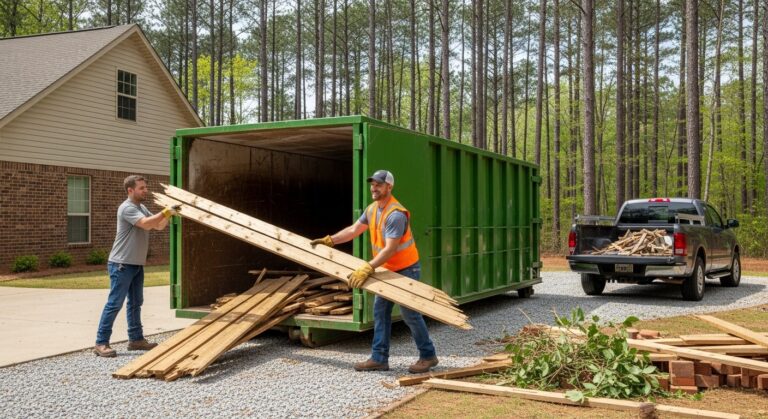
Common projects that benefit from a dumpster include whole-home cleanouts, roofing replacements, landscaping overhauls, and major renovations. Instead of making multiple trips to the dump in a pickup truck, you load everything into one container and have it hauled away on your schedule. This efficiency is especially valuable in Arkansas where distances between disposal sites can be significant.
For events like festivals or community cleanups, temporary dumpsters keep the site tidy and compliant with local sanitation codes. In our guide on Event Dumpster Rental Arkansas Festivals: Waste Solutions, we explain how to manage large crowds and food waste effectively.
Choosing the Right Dumpster Size
Dumpster sizes are measured in cubic yards. The most common options for first-time renters are 10, 15, 20, 30, and 40 yard containers. Here is a quick breakdown of what each size fits:
- 10 Yard: Small cleanouts, single-room renovations, yard debris. Holds about 3 pickup truck loads.
- 15 Yard: Medium projects like kitchen remodels or large garage cleanouts. Fits 4-5 truck loads.
- 20 Yard: Whole-home cleanouts, roofing jobs (up to 3 squares), or major landscaping. Holds 6-8 truck loads.
- 30 Yard: New construction, large demolitions, or estate cleanouts. Fits 9-12 truck loads.
- 40 Yard: Commercial projects, large-scale renovations, or disaster cleanup. Holds 12-16 truck loads.
When in doubt, choose one size larger than you think you need. Overfilling a dumpster often results in extra fees or the driver refusing to haul it. Most rental companies in Arkansas allow you to upgrade mid-rental if you call ahead.
Understanding Permit Requirements in Arkansas
Many Arkansas cities require a permit if you place a dumpster on public property such as a street, sidewalk, or alley. Private property like your driveway typically does not need a permit. However, homeowner association (HOA) rules may still apply.
Check with your local city hall or public works department before delivery. In Little Rock, for example, you need a right-of-way permit for dumpsters on the street. Fayetteville and Bentonville have similar rules. The process usually involves submitting a simple application and paying a small fee (often $25 to $50). Your dumpster rental company can often guide you or handle the paperwork for an additional charge.
If you are renting a dumpster for a construction site, verify that the container does not block fire hydrants, traffic sight lines, or pedestrian walkways. Violating these rules can result in fines or forced removal.
What You Can and Cannot Throw Away
Dumpster rentals in Arkansas accept most non-hazardous waste, but there are strict exclusions. Prohibited items typically include hazardous chemicals, paints, solvents, batteries, tires, and electronics. Some companies also ban mattresses, appliances with refrigerants, and large quantities of dirt or concrete.
Ask your rental provider for a complete list of prohibited items before you start loading. Mixing banned materials into your debris can lead to contamination fees or even legal penalties if the landfill rejects the load. For items like electronics or household chemicals, find a local recycling center or hazardous waste drop-off event.
Arkansas landfills charge disposal fees based on weight and material type. Heavy materials like concrete, brick, and asphalt cost more to dispose of than mixed household trash. If your project involves large amounts of heavy debris, discuss pricing with your rental company upfront to avoid surprise charges.
Pricing and Hidden Fees to Watch For
First-time renters often focus on the base rental price, but additional fees can double the total cost. Common extra charges in Arkansas include:
- Overweight fees: Most rentals include a weight limit (often 2 to 4 tons). Exceeding it costs $50 to $100 per extra ton.
- Overfilling fees: Debris must not extend above the rim of the dumpster. Overfilled containers are unsafe to transport and may be rejected.
- Late return fees: Standard rental periods are 7 to 14 days. Going over costs $5 to $15 per day.
- Fuel surcharges: Some companies add a variable fee based on diesel prices.
- Permit fees: If you need a city permit, the cost may be passed to you.
Always request a written quote that itemizes all potential charges. Reputable companies like those serving Arkansas will provide transparent pricing with no hidden surprises. If a quote seems too low, ask what is not included.
Step-by-Step Rental Process
Follow these steps to ensure a smooth first-time dumpster rental experience in Arkansas:
- Estimate your debris volume: Measure the space or count the number of pickup truck loads you expect to fill. Use this to choose a dumpster size.
- Check local regulations: Contact your city or county to see if a permit is needed for your placement location.
- Compare rental companies: Look for providers with good reviews, clear pricing, and experience in Arkansas. Ask about delivery windows and pickup flexibility.
- Book and prepare the drop site: Clear an area at least 10 feet wide and 20 feet long. Ensure the ground is firm enough to support a heavy loaded dumpster without sinking.
- Load strategically: Place heavy items at the bottom and distribute weight evenly. Break down large objects to maximize space. Do not fill above the rim.
- Schedule pickup: Call the rental company when you are finished or when the rental period ends. They will haul the container and dispose of the waste properly.
Each step is straightforward, but skipping one can cause delays or extra costs. For example, failing to check for underground utilities before placing a dumpster on grass could lead to damaged sprinkler lines or septic systems.
Seasonal Considerations for Arkansas Rentals
Arkansas weather affects dumpster rentals more than you might expect. Spring and summer bring heavy rain and humidity, which can make debris heavier and increase the risk of mold or odors. Cover your dumpster with a tarp if you are storing wet waste for more than a few days.
Fall is peak season for yard waste cleanups, so book your dumpster at least a week in advance. Winter rentals are often cheaper and more available, but frozen ground can complicate placement if the container sinks into mud during a thaw.
Tornado season (March through May) also drives demand for disaster cleanup dumpsters. If you live in a high-risk area, consider having a rental company on speed dial for emergency situations.
Environmental Responsibility and Recycling Options
Arkansas has a growing focus on landfill diversion. Many dumpster rental companies now sort recyclable materials like metal, cardboard, and wood from mixed loads. Ask your provider if they offer single-stream recycling or if you need to separate materials yourself.
For large amounts of concrete or asphalt, look for a company that works with local crushing facilities. These materials can be recycled into road base or aggregate, reducing landfill burden and often lowering your disposal costs. Similarly, clean wood from construction or demolition can be chipped into mulch or used for biomass energy.
Choosing an environmentally conscious rental company not only helps the planet but also improves your project’s sustainability profile. Some Arkansas municipalities offer incentives for recycling, such as reduced permit fees for certified green projects.
Common Mistakes First-Time Renters Make
Even with careful planning, first-time renters often stumble on a few key points. Here are the most frequent errors and how to avoid them:
- Underestimating size: A 10-yard dumpster fills up faster than expected. Rent a size larger than your initial estimate.
- Ignoring weight limits: Heavy materials like dirt or concrete quickly exceed weight caps. Confirm the weight limit for your chosen size.
- Blocking access: Place the dumpster where the delivery truck can easily reach it without damaging your property or neighbor’s yard.
- Waiting too long to book: Popular sizes book out days or weeks in advance during peak seasons. Reserve early.
Learning from these mistakes saves you frustration. If you are unsure about any detail, call the rental company directly and ask questions before placing your order.
Final Thoughts on Your First Dumpster Rental in Arkansas
Renting a dumpster for the first time in Arkansas does not have to be complicated. By choosing the right size, understanding local permit rules, and watching for hidden fees, you set yourself up for a successful project. The key is to plan ahead, ask questions, and work with a trusted provider who knows the local landscape. With this first time dumpster rental guide Arkansas, you are ready to tackle any cleanout, renovation, or construction project with confidence. Book your dumpster, load it up, and enjoy the satisfaction of a clutter-free space.