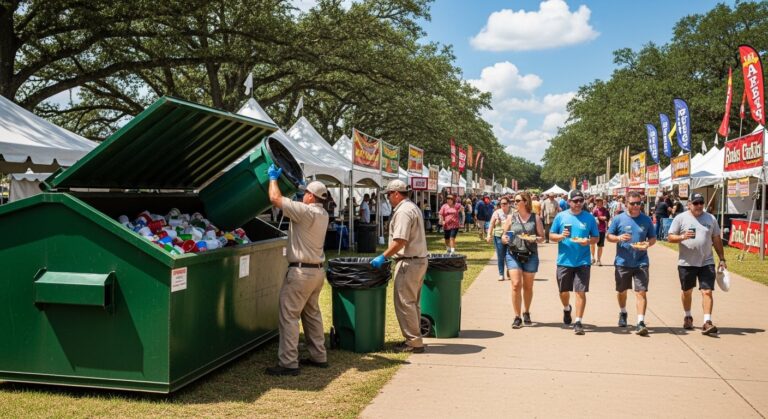
Festivals across Arkansas bring communities together with music, food, and celebration, but they also generate an enormous amount of waste. From food wrappers and beverage containers to decorations and stage materials, the debris left behind can overwhelm even the most organized planning committees. Without a solid waste management plan, festival grounds quickly become littered, creating safety hazards and negative impressions. This is where event dumpster rental Arkansas festivals organizers trust makes the difference between a chaotic cleanup and a seamless post-event process.
Securing the right waste disposal solution before the first guest arrives ensures that trash never piles up, recycling stays separate, and volunteers focus on dismantling structures instead of chasing loose garbage. In this article, we break down how to choose the right dumpster size, coordinate placement, and budget effectively for any festival size. Whether you are planning a small town fair or a multi-day music festival, these strategies keep your site clean and compliant with local regulations.
Sizing Dumpsters for Festival Crowds and Duration
Selecting the correct dumpster size is the most critical decision in festival waste planning. Underestimating volume leads to overflowing bins, unsightly grounds, and potential fines. Overestimating wastes money on unused capacity. The key variables are expected attendance, number of days, and types of vendors.
For a one-day festival with 500 to 1,000 attendees, a single 20-yard dumpster typically handles general waste from food vendors and foot traffic. However, if your event includes alcohol sales or packaged snacks, you may need an additional 10-yard unit for recyclables. Multi-day events require larger or multiple containers. A three-day festival with 5,000 daily visitors often demands three to four 30-yard dumpsters rotated or emptied mid-event.
Consider these factors when calculating size:
- Attendance volume: Estimate 1 to 2 pounds of waste per person per day for general admission events; add 50 percent for events serving meals.
- Vendor count: Each food vendor produces roughly 15 to 25 gallons of waste per operating day, not including grease or liquids.
- Recycling separation: If you separate cardboard, plastics, and aluminum, you need dedicated containers. Mixing recyclables with trash defeats the purpose and may violate local ordinances.
After determining your base estimate, add a buffer of 20 percent for unexpected surges in attendance or vendor waste. It is far easier to leave a partially filled dumpster than to scramble for emergency pickup during peak festival hours. Many Arkansas festival coordinators also reserve a smaller dumpster near the main stage for performer and crew waste, keeping backstage areas clean and accessible.
Placement and Logistics for Festival Sites
Where you place your dumpsters affects both guest experience and operational efficiency. Poor placement creates bottlenecks, unpleasant odors near food areas, and difficult access for service trucks. Start by reviewing your site map and identifying high-traffic zones, vendor clusters, and entry points for waste haulers.
Dumpsters should sit on flat, stable ground within 50 feet of the main waste generation areas but not directly adjacent to dining or seating zones. A distance of 20 to 30 feet from vendor booths allows easy disposal without exposing guests to lingering smells. Ensure the access path for the roll-off truck is at least 60 feet long and 12 feet wide with no low-hanging branches or power lines. Confirm these dimensions with your rental provider during the booking stage.
For large festivals spanning multiple acres, consider a hub-and-spoke model. Place one primary dumpster bank near the main entrance or loading dock, then use smaller collection points throughout the grounds. Volunteers or staff can consolidate waste from satellite bins into the main dumpsters on a schedule. This reduces foot traffic around large containers and keeps the festival looking tidy at all times.
Weather is another factor in Arkansas. Summer festivals face high heat and humidity, which accelerate decomposition and odors. Position dumpsters in shaded areas if possible, and schedule pickups more frequently during hot months. Rain can turn grassy access routes into mud pits, so verify that your designated dumpster pad remains accessible even after a downpour. A layer of gravel or plywood under the container prevents it from sinking into soft ground.
Types of Waste and Special Disposal Needs
Festivals produce more than just everyday trash. Food grease, cooking oil, propane tanks, and event decorations often require separate handling. Standard dumpster rental for mixed waste cannot accept hazardous materials, electronics, or large quantities of liquid grease. Understanding these restrictions prevents contamination and potential fines.
Work with your vendors ahead of time to identify waste streams. Food vendors should have grease collection services arranged independently. Propane tanks must be returned to the supplier or disposed of through a certified hazardous waste facility. Cardboard from vendor shipments can be flattened and placed in a dedicated recycling dumpster, which is often available at a lower rate than general waste containers.
Decorations and signage pose another challenge. Many festival decorations are made from non-recyclable materials like vinyl banners, glitter-coated cardboard, or plastic flowers. Plan to have a separate container for these items if your local recycling facility does not accept them. Some Arkansas festivals partner with local artists to repurpose decorations after the event, reducing waste and building community goodwill.
For events that include camping or overnight stays, you must also account for personal waste from attendees. Portable toilet companies typically handle human waste, but trash from campsites, including food scraps and packaging, adds significant volume. Add 30 to 50 percent to your waste estimate when overnight camping is part of the festival.
Budgeting for Dumpster Rental at Arkansas Festivals
Cost is often the deciding factor for festival committees working with tight budgets. Dumpster rental prices in Arkansas vary based on container size, rental duration, and the frequency of pickups required. A typical 20-yard dumpster for a weekend rental ranges from $350 to $500, while a 30-yard unit runs $450 to $650. Prices increase for multiple pickups or same-day exchanges during the event.
To maximize your budget, book your dumpsters at least two weeks in advance. Last-minute rentals often carry premium charges, and availability may be limited during peak festival season from April through October. Ask your provider about flat-rate pricing that includes delivery, pickup, and a set tonnage allowance. Exceeding the weight limit triggers overage fees, so request a higher allowance if your festival serves heavy items like bottled drinks or canned goods.
Consider sharing a dumpster with neighboring events or co-located festivals. If two events occur on consecutive weekends at the same venue, you can split the rental cost and coordinate a single drop-off and pickup. Some venues have exclusive waste contracts, so check with the site manager before booking your own dumpster to avoid duplication of services or unexpected fees.
In our guide on commercial dumpster rental in Arkansas key tips, we explain how to negotiate pricing and avoid common billing pitfalls. Applying those strategies to festival planning helps you stay on budget while maintaining a clean environment.
Recycling and Sustainability at Festivals
Arkansas festival attendees increasingly expect sustainability efforts. Implementing a recycling program not only reduces landfill waste but also enhances your event’s reputation. Many local governments offer grants or discounts for events that divert recyclables from the trash stream. Check with your city’s solid waste department for available programs before the festival.
Set up clearly labeled recycling stations alongside every trash can. Use color-coded bags or bins: green for recyclables, black for trash, and blue for compost if your event includes food scrap collection. Train volunteers to monitor stations during peak hours and redirect items that are placed incorrectly. Contamination is the biggest threat to recycling success; a single greasy pizza box can ruin an entire load of cardboard.
If your festival generates large amounts of compostable waste, such as food scraps and paper plates, consider renting a separate compost dumpster. Some Arkansas waste haulers now offer organics collection, though availability varies by region. Partner with a local farm or community garden that can accept finished compost after processing. This closes the loop and provides a tangible sustainability story to share with sponsors and attendees.
Promote your recycling efforts on social media and festival signage. When attendees see clear instructions and visible results, they are more likely to participate. A waste sorting station staffed by enthusiastic volunteers becomes a positive talking point rather than a forgotten corner of the grounds.
Working With Your Dumpster Rental Provider
A reliable rental company is your partner in festival success. Before signing a contract, confirm that the provider has experience with event dumpster rental Arkansas festivals specifically. Ask about their track record with events of similar size and their contingency plans for breakdowns or missed pickups.
Get written confirmation of delivery and pickup times. Most providers offer delivery 24 to 48 hours before the event starts and pickup within 24 hours after it ends. If your festival runs late into the night, arrange for pickup the following morning to avoid overflowing bins after dark. Some companies provide daytime exchanges where they swap a full dumpster for an empty one during the event; this service costs extra but is invaluable for multi-day festivals.
Review the rental agreement for prohibited items, weight limits, and damage policies. If your festival involves heavy construction or stage equipment, you may need a separate container for those materials. Never overfill the dumpster; the lid must close completely, and debris should not extend beyond the rim. Overfilled containers are dangerous to transport and may result in additional fees or refusal of service.
Finally, establish a single point of contact with the rental company. Provide them with your cell phone number and the on-site waste coordinator’s number. Quick communication solves problems before they escalate, whether it is a missed pickup or a need for an extra container due to higher-than-expected attendance.
Legal and Safety Considerations
Arkansas counties and municipalities have specific ordinances governing waste disposal at public events. Some require permits for dumpsters placed on public streets or sidewalks. Others mandate recycling plans for events with more than 1,000 attendees. Research local requirements early in your planning process to avoid last-minute fines or denied permits.
Safety is equally important. Dumpsters should not block emergency vehicle access, fire hydrants, or exit routes. Place them away from high-traffic pedestrian areas to prevent collisions. If children are likely to be present, consider fencing around the dumpster area or using locking lids to prevent access. Sharp objects, broken glass, and unknown substances in waste bins pose risks to curious kids and wildlife.
For festivals serving alcohol, waste management takes on additional importance. Glass bottles can break and create hazards, so many events ban glass entirely and collect aluminum cans separately. Arrange for frequent empty of recycling bins if your event generates large volumes of cans and bottles. This reduces fire risk from discarded cigarette butts and keeps the area clean for evening crowds.
Document your waste management plan and share it with local authorities if requested. A written plan demonstrates preparedness and can speed up permit approval. Include your dumpster sizes, placement map, pickup schedule, and recycling strategy. This document also serves as a useful reference for future festival committees.
Arkansas festivals thrive on community spirit and careful organization. By investing in proper event dumpster rental Arkansas festivals organizers can focus on entertainment and hospitality instead of worrying about trash. Plan ahead, communicate with your rental provider, and prioritize sustainability. Your guests will notice the difference, and the environment will thank you. With the right waste infrastructure in place, the only thing left to do after the final act is pack up knowing that cleanup is under control.