Property managers in Arkansas face a unique set of challenges when handling foreclosure cleanouts. The clock is tight, the property condition is often unpredictable, and every day the unit sits vacant costs the lender or investor money. One of the most critical logistical decisions you will make is choosing the right dumpster rental for the job. This guide walks through everything from sizing and placement to waste sorting and vendor selection, all tailored specifically for Arkansas property managers dealing with foreclosure cleanouts.
Why Foreclosure Cleanouts Demand a Different Approach to Dumpster Rental
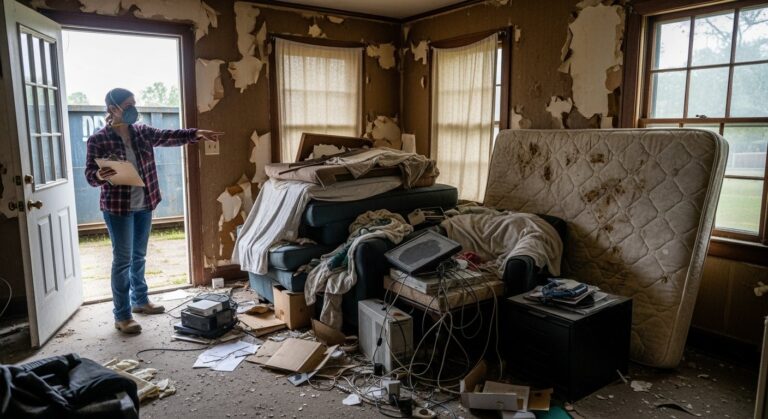
A standard renovation dumpster rental works well for remodeling projects because the waste stream is predictable: drywall, lumber, flooring, and packaging. A foreclosure cleanout is fundamentally different. You are dealing with the complete contents of a home: furniture, appliances, clothing, personal documents, electronics, mattresses, and often hazardous items like paint or cleaning chemicals. The volume is larger, the variety is wider, and the timeline is shorter. A property manager cannot afford a dumpster that is too small, delivered late, or restricted on what materials it can accept. In our foreclosure cleanout dumpster rental Arkansas property managers guide, we break down the specific strategies that save time and money.
Arkansas also has specific landfill regulations and recycling requirements that vary by county. A dumpster rental company that understands these local rules can prevent surprise fees or rejected loads. The goal is to get the property cleared, cleaned, and ready for resale or reletting as quickly as possible. The right dumpster partner helps you hit that goal without administrative headaches.
Sizing Your Dumpster for a Foreclosure Cleanout
Size is the most common mistake property managers make. They order a 10-yard dumpster thinking it will handle a three-bedroom home, only to run out of room halfway through the job. Then they pay for a second dumpster or an emergency swap, both of which eat into the budget. For a typical Arkansas foreclosure cleanout of a single-family home (1,500 to 2,500 square feet), you should plan for a 20-yard or 30-yard dumpster. Here is a simple rule of thumb based on home size and contents:
- 1 to 2 bedroom home or apartment: 15-yard dumpster is usually sufficient if the unit is lightly furnished. Upgrade to 20-yard if there are major appliances or heavy furniture.
- 3 bedroom home (1,500 to 2,000 sq ft): 20-yard dumpster is the minimum. A 30-yard is safer if the home is fully furnished or has been neglected for months.
- 4+ bedroom home or large property: 30-yard or even 40-yard dumpster. These homes often contain multiple sets of furniture, piled-up belongings, and yard waste.
- Multi-unit properties (townhomes, duplexes): Consider a 30-yard for every two to three units. Order separate dumpsters for each building to avoid cross-contamination between units.
It is far better to have a slightly oversized dumpster than to run out of space mid-cleanout. The extra cost for a 30-yard versus a 20-yard is usually modest, but the cost of a second delivery and pickup can be substantial. Also consider that many foreclosure cleanouts involve removing carpet, padding, and flooring, which adds bulk that compresses less than furniture. Plan for volume, not weight.
Weight Limits and Overage Fees
Every dumpster rental comes with a weight allowance. Exceeding that allowance triggers overage fees, which can range from $50 to $100 per ton depending on the Arkansas market. Foreclosure cleanouts are heavy because they include old furniture (solid wood pieces, upholstered sofas), appliances (refrigerators, washers, dryers), and sometimes construction debris from damage repair. Ask your rental provider for the specific weight limit on each dumpster size and whether they charge by the ton or by the pound for overage. Some companies offer a flat-rate price with a generous weight cap, which is preferable for cleanouts where you cannot weigh the load in advance.
Prohibited Items and Hazardous Waste Rules in Arkansas
Arkansas landfills have clear rules about what cannot be disposed of in standard dumpsters. Property managers must know these rules to avoid rejected loads or fines. Items commonly found in foreclosure cleanouts that are prohibited or restricted include:
- Paint, solvents, and chemicals: Latex paint can often be dried out and disposed of, but oil-based paints, thinners, and household chemicals must go to a hazardous waste facility.
- Tires and batteries: Most dumpster companies prohibit these. Separate them for recycling or proper disposal.
- Electronics and appliances with refrigerants: Televisions, computers, monitors, and refrigerators/freezers often require special handling. Some dumpster companies accept them for an additional fee; others do not.
- Mattresses and box springs: Many Arkansas landfills now charge extra for mattresses or require them to be wrapped. Confirm with your rental provider whether they are included in the standard rate.
- Yard waste and dirt: Cleanouts of foreclosed homes often include overgrown yards. Branches, leaves, and dirt have different disposal regulations and may need a separate container.
Work with a dumpster company that provides a clear prohibited-items list at the time of booking. A good provider will also tell you which local facilities accept the items you cannot put in the dumpster. This saves you from making multiple trips to different disposal sites.
Placement Considerations for Arkansas Properties
Dumpster placement can make or break the efficiency of a cleanout. Arkansas properties vary widely: urban lots with narrow driveways, rural homes with long gravel roads, and suburban neighborhoods with HOA restrictions. Before the dumpster arrives, evaluate the property for these factors:
Access for the delivery truck: The truck needs at least 14 feet of vertical clearance and a solid surface wide enough to maneuver. Overhead wires, low-hanging tree branches, and gate widths are common problem spots. If the driveway is cracked or soft, ask the rental company about placing the dumpster on plywood or a protective mat to prevent damage.
HOAs and local ordinances: Some Arkansas homeowners associations restrict dumpster placement to the driveway or require a permit for street placement. Check with the HOA or city code enforcement before delivery. A violation could result in a fine or forced removal of the dumpster, which delays the cleanout.
Proximity to the work area: Place the dumpster as close to the main entry point as possible. Carrying heavy furniture up stairs or across a large yard wastes time and increases the risk of injury. If the home has a garage, consider parking the dumpster near the garage door so the crew can load from the garage interior.
Scheduling and Timing Strategies for Maximum Efficiency
Time is money in foreclosure cleanouts. The lender or asset manager expects a fast turnaround. Coordinate your dumpster rental with the cleanout crew schedule to avoid idle time. Here are three timing tactics that work well in Arkansas:
Order the dumpster for delivery one day before the crew arrives. This ensures the container is on site and ready when the first worker shows up. If the dumpster arrives late, the crew may waste half a day waiting or start piling debris on the lawn, which creates a mess and extra cleanup.
Schedule the pickup for the same day the cleanout finishes. Most dumpster companies offer same-day or next-day pickup if you book in advance. A dumpster left on site for days after the work is done can attract illegal dumping by neighbors or passersby. It can also violate HOA rules and create liability if someone gets hurt near it.
Build in a buffer for bad weather. Arkansas weather changes quickly. A forecast of heavy rain can delay a cleanout by a day or two. Ask your rental company about their policy for rescheduling pickup without penalty. Some companies offer a grace period of 24 to 48 hours if weather forces a delay.
Working with a Dumpster Company That Understands Foreclosure Cleanouts
Not every dumpster rental company is equipped to handle the specific demands of foreclosure cleanouts. You need a partner who offers flexible scheduling, clear pricing without hidden fees, and experience with the types of waste you will encounter. Look for a company that provides a single point of contact for your account, someone who knows your properties and can adjust dumpster sizes or delivery dates quickly. The best companies also offer recycling services for metal, concrete, and clean wood, which can reduce your disposal costs and help meet sustainability goals. Ask potential vendors how many foreclosure cleanouts they have handled in the past year and whether they have references from other property managers.
A reliable dumpster rental provider will also help you avoid common pitfalls like overage charges, rejected loads, and missed pickup windows. They should be transparent about their weight limits, prohibited items, and additional fees for heavy items like roofing or concrete. When you find a company that communicates clearly and delivers on time, stick with them for future cleanouts. Consistency builds efficiency.
Final Thoughts on Foreclosure Cleanout Dumpster Rental for Arkansas Property Managers
Handling a foreclosure cleanout in Arkansas does not have to be a stressful ordeal. With the right dumpster size, a clear understanding of prohibited items, proper placement, and a reliable rental partner, you can clear properties quickly and cost-effectively. The key is to plan ahead: evaluate the property before ordering, communicate the timeline to the crew, and choose a dumpster company that specializes in the unique needs of property managers. Every cleanout you complete efficiently protects the value of the asset and keeps your clients satisfied. Use this guide as a checklist for your next foreclosure cleanout, and you will avoid the most common mistakes that cost time and money.