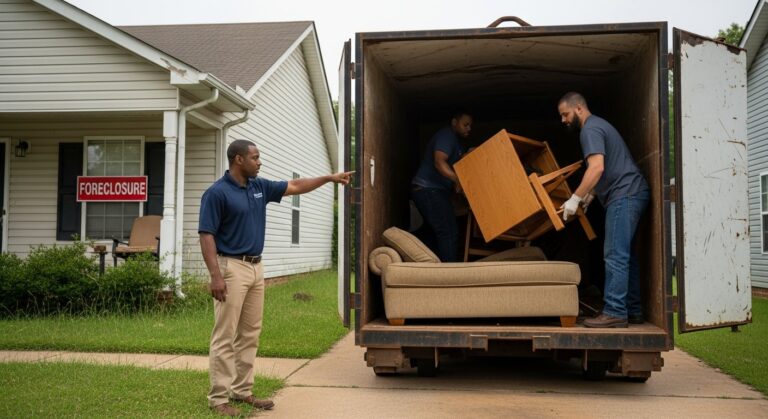
When a property goes into foreclosure, the clock starts ticking fast. You have limited time to secure the asset, assess its condition, and remove everything left behind. For property managers across Arkansas, the cleanup phase often determines how quickly a house can be relisted or transferred to a new owner. Without a reliable waste removal plan, a simple foreclosure cleanout can spiral into delays, code violations, and unexpected costs. That is where a smart dumpster rental strategy changes everything.
This guide walks you through the logistics of foreclosure cleanout dumpster rental Arkansas property managers need to know. From sizing and permits to scheduling and cost control, you will learn how to turn a messy eviction into a streamlined operation. Whether you manage a single rental or a portfolio of distressed assets, the right dumpster plan saves time, money, and headaches.
Why Foreclosure Cleanouts Require a Dedicated Dumpster Plan
Foreclosure cleanouts differ from standard junk removal. When a tenant or homeowner vacates under distress, they often leave behind furniture, appliances, clothing, food waste, and sometimes hazardous materials. A property manager cannot simply haul everything to the curb on bulk pickup day. Municipal collection services typically refuse large volumes of mixed debris, and leaving piles on the street invites fines, pests, and neighbor complaints.
A dedicated dumpster rental gives you a contained, on-site solution. You can load debris as crews work through each room without making multiple trips to the landfill. This efficiency is critical when you are juggling multiple properties or facing strict deadlines from lenders or housing authorities. In our guide on commercial dumpster rental in Arkansas key tips, we explain how to match container size to project scope for maximum productivity.
Understanding Arkansas Regulations for Foreclosure Cleanout Debris
Arkansas does not have a statewide landfill ban on most household waste, but local ordinances vary. Before you order a dumpster, check with the city or county where the property sits. Some municipalities require a permit if the dumpster will be placed on a public street or sidewalk. Others have specific rules about separating recyclables or disposing of electronics and mattresses.
Property managers should also know what cannot go into a standard roll-off container. Hazardous materials like paint cans, batteries, tires, and chemicals often require special handling. If the foreclosure cleanout involves an abandoned vehicle or large quantities of construction debris, you may need separate disposal arrangements. A reputable Arkansas dumpster rental company will advise you on prohibited items and help you avoid surprise fees or rejected loads.
Choosing the Right Dumpster Size for Foreclosure Cleanouts
Selecting the correct dumpster size is one of the most important decisions you will make. Order too small, and you risk overflow or needing a second container. Order too large, and you pay for unused capacity. For a typical foreclosure cleanout in Arkansas, here are the most common sizes and their best uses:
- 10-yard dumpster: Ideal for a small apartment or one-bedroom house with minimal furnishings. Holds about 3 pickup truck loads.
- 20-yard dumpster: The most popular choice for a standard 3-bedroom foreclosure. Handles furniture, appliances, carpet, and general household junk.
- 30-yard dumpster: Best for larger homes or properties with heavy debris like old roofing, siding, or extensive hoarding situations.
- 40-yard dumpster: Reserved for commercial foreclosures, multi-unit buildings, or properties with significant structural waste from gut renovations.
A 20-yard dumpster works well for most Arkansas foreclosure cleanouts. It fits in a standard driveway and holds enough material to clear a moderately furnished home in one go. If you are unsure, ask your rental provider about volume estimates based on square footage and room count. Many companies will walk you through a quick checklist to avoid guesswork.
Timing Your Dumpster Delivery and Pickup
Property managers in Arkansas face seasonal challenges that affect dumpster logistics. Summer heat can accelerate odors from food waste, while winter storms may delay pickup routes. Spring rains turn soggy debris into a heavier, harder-to-haul load. Plan your delivery date to align with the cleanout crew’s schedule so the dumpster is not sitting empty or half-full for days.
Most foreclosure cleanouts take one to three days depending on property size and condition. Schedule the dumpster delivery for the morning the crew arrives. Request a pickup within 24 hours of the crew finishing. This window prevents the container from becoming a neighborhood eyesore or a target for illegal dumping. Some Arkansas dumpster companies offer same-day or next-day pickup for property managers who need tight turnaround.
Cost Factors for Foreclosure Cleanout Dumpster Rental in Arkansas
Pricing for foreclosure cleanout dumpster rental Arkansas property managers encounter typically includes delivery, pickup, a rental period (usually 7 to 14 days), and a weight allowance. Average costs range from $300 for a 10-yard container to $600 or more for a 40-yard container. However, several factors can raise the final bill:
- Weight overage: Most rentals include a tonnage limit. Heavy debris like concrete, dirt, or wet furniture pushes you into overage fees.
- Extended rental days: If the cleanout takes longer than the standard rental period, daily fees apply.
- Permit fees: If the dumpster must sit on public property, the municipality may require a permit that you must pay separately.
- Prohibited items: Hazardous materials found in the load after pickup can trigger additional disposal charges.
To keep costs predictable, ask for an all-inclusive quote upfront. Reputable Arkansas dumpster companies will provide a flat rate that covers delivery, pickup, and a generous weight allowance. Avoid companies that quote a base price then add fees for fuel, environmental charges, or after-hours delivery. A transparent provider helps you budget accurately for each property.
Step-by-Step Process for Property Managers
Executing a foreclosure cleanout with a dumpster rental involves more than just placing an order. Follow these steps to ensure a smooth operation from start to finish:
- Inspect the property: Walk through each room and note the volume and type of debris. Identify any hazardous materials that need separate disposal.
- Choose a drop-off location: Select a flat, accessible spot on the property for the dumpster. Avoid overhead wires, low tree branches, and soft ground that could cause the truck to sink.
- Check local permits: Call the city or county building department to see if a dumpster permit is required. Ask about restrictions on placement and duration.
- Order the dumpster: Provide the rental company with the property address, desired size, delivery date, and any special instructions about access or prohibited items.
- Coordinate with the cleanout crew: Confirm that the crew knows when the dumpster arrives and how to load it efficiently. Assign one person to oversee loading to prevent overfilling or prohibited items.
- Schedule pickup: Call the rental company as soon as the cleanout is complete. Confirm the pickup window and ensure the area around the dumpster is clear.
This sequence minimizes downtime and reduces the risk of miscommunication. Property managers who follow a repeatable process can scale their cleanout operations across multiple Arkansas markets without reinventing the wheel each time.
Common Mistakes Arkansas Property Managers Make
Even experienced property managers slip up on cleanout logistics. Here are three pitfalls to avoid:
Underestimating debris volume. Foreclosure properties often contain hidden waste in basements, attics, and garages. A quick walkthrough may miss piles of trash behind furniture or in closets. Always round up when estimating dumpster size. It is cheaper to partially fill a 20-yard container than to pay for a second 10-yard drop.
Ignoring HOA or neighborhood rules. Some Arkansas subdivisions have covenants that restrict dumpster placement or duration. A container sitting in a driveway for more than 48 hours could trigger a fine. Check with the homeowners association or property management board before ordering.
Skipping the walkthrough with the rental company. A phone order may not capture details like narrow gates, steep driveways, or low-hanging branches. Invite the dumpster provider to visit the property or send detailed photos. This step prevents delivery day surprises and ensures the truck can access the drop spot.
Integrating Foreclosure Cleanout with Broader Property Management
A successful foreclosure cleanout is just one phase of preparing a distressed property for resale or rental. After the debris is gone, you still need to address repairs, pest control, landscaping, and utility reconnections. Dumpster rental fits into a larger workflow that starts with securing the property and ends with a market-ready asset.
Property managers who specialize in foreclosure cleanouts often build relationships with local contractors, real estate agents, and lenders. A reliable dumpster partner becomes part of that network. When you can guarantee fast, clean removal of foreclosure debris, you position yourself as the go-to manager for banks and investors handling Arkansas distressed properties. This reputation leads to repeat business and referrals.
Additionally, documenting the cleanout process with photos and receipts helps with insurance claims or reimbursement requests. Lenders may require proof that the property was cleared of all personal belongings before transfer. A dumpster rental invoice serves as clear evidence of professional cleanup.
Foreclosure cleanout dumpster rental Arkansas property managers rely on does not have to be complicated. With the right size, timing, and provider, you can clear properties efficiently and return them to productive use. The key is planning ahead, asking the right questions, and working with a company that understands the unique demands of distressed property cleanup.